 By the KCA chefs
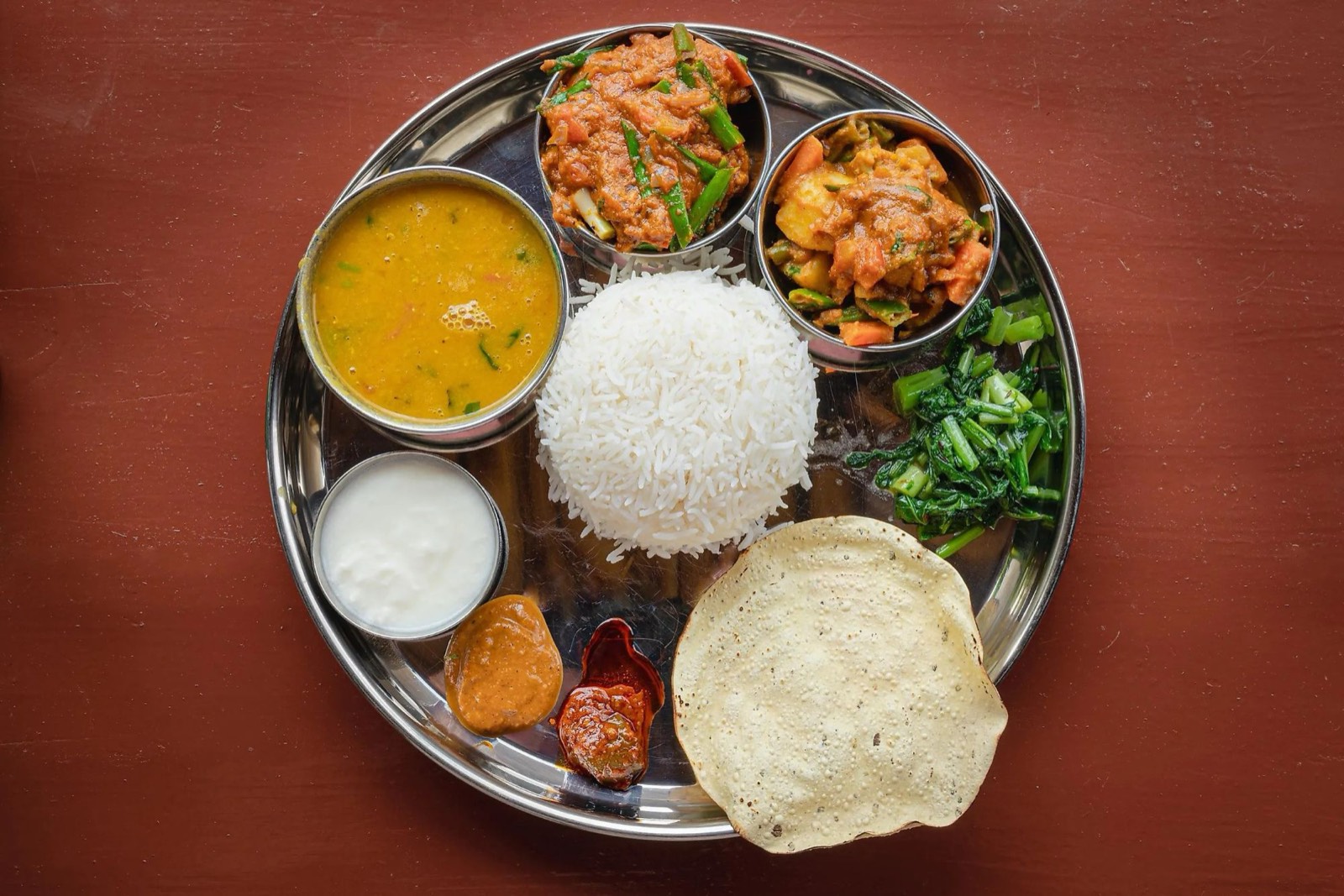
In Nepal, rice is not just a side dish: it is the meal. "Bhat khanu bhayo?", "have you eaten rice?", is how many Nepalis ask "have you eaten?". Most families eat dal bhat twice a day, and rice is part of festivals, ceremonies and countless snacks and sweets.
This guide covers the main Nepali rice varieties, from fragrant Jira Masino to the red rice of Jumla, plus the foods Nepalis make from rice, the festivals around it, and how to cook rice the Nepali way.
Nepali rice at a glance
- Three words to know: dhan (rice growing in the field), chamal (raw rice) and bhat (cooked rice).
- Where it grows: mostly in the warm, flat Terai in the south, and on terraced hillsides and valleys up into the mountains.
- Famous varieties: Jira Masino, Pokhareli Jethobudho, Nepali basmati, Kalanamak, Jumli Marsi and Anadi sticky rice.
- Everyday rice: medium-grain varieties such as Mansuli and Sona Mansuli.
- Beyond bhat: chiura (beaten rice), sel roti, chatamari, yomari, kheer and rice beer are all made from rice.
Where rice grows in Nepal
Rice is Nepal's most important crop. Most of it grows in the Terai plains along the Indian border, where it is hot and the monsoon floods the fields. In the hills, farmers grow rice on terraces cut into the slopes, and in the Kathmandu Valley the paddies around the city turn bright green every summer.
Rice also grows surprisingly high. In Jumla, in the far west, a cold-tolerant red rice grows at around 2,500 to 3,000 metres, among the highest rice fields in the world.
Planting starts with the monsoon in June and July, and the harvest comes in October and November, just in time for the big festivals of Dashain and Tihar.
Popular Nepali rice varieties
Jira Masino
A small, fine, aromatic grain, named because it looks a little like cumin seed (jira). It cooks up light, fluffy and fragrant, and many families save it for guests and festivals. If you buy one premium rice in Nepal, this is the one.
Pokhareli Jethobudho
A traditional aromatic rice from the Pokhara valley, known for its scent, soft texture and good taste. It is one of Nepal's most prized local varieties, grown in limited amounts, so it costs more than everyday rice.
Nepali basmati
Long-grain, fragrant basmati grown in the Terai. It's what most tourist restaurants serve, and it's used for pulao and biryani at home.
Kalanamak
An old aromatic variety from the western Terai with a dark husk ("kala" means black) and a strong, pleasant fragrance. It's a local speciality you'll mostly find in that region.
Jumli Marsi (red rice)
The famous red rice of Jumla. The grains are reddish and slightly nutty, and because only the outer husk is removed they keep more fibre. It is grown in small amounts and is sold as a healthy, special rice.
Anadi (sticky rice)
Short, glutinous rice that becomes soft and sticky when cooked. It's used in sweet dishes and festival foods, and ground into flour for treats such as yomari.
Mansuli and everyday rice
Medium-grain varieties like Mansuli and Sona Mansuli are the rice most Nepalis eat every day. They are affordable, filling and perfect with dal, curry and achar. You'll also hear older names such as Taichin in the Kathmandu Valley.
Foods made from rice
- Bhat: plain steamed rice, the centre of every dal bhat meal.
- Chiura: beaten (flattened) rice. Light and crunchy, it's eaten with curries, yoghurt or as part of a Newari feast.
- Bhuja and murai: puffed rice, mixed with onion, chilli and spices as a quick snack.
- Sel roti: a sweet, ring-shaped bread made from a rice batter and deep-fried, made for Tihar and special days.
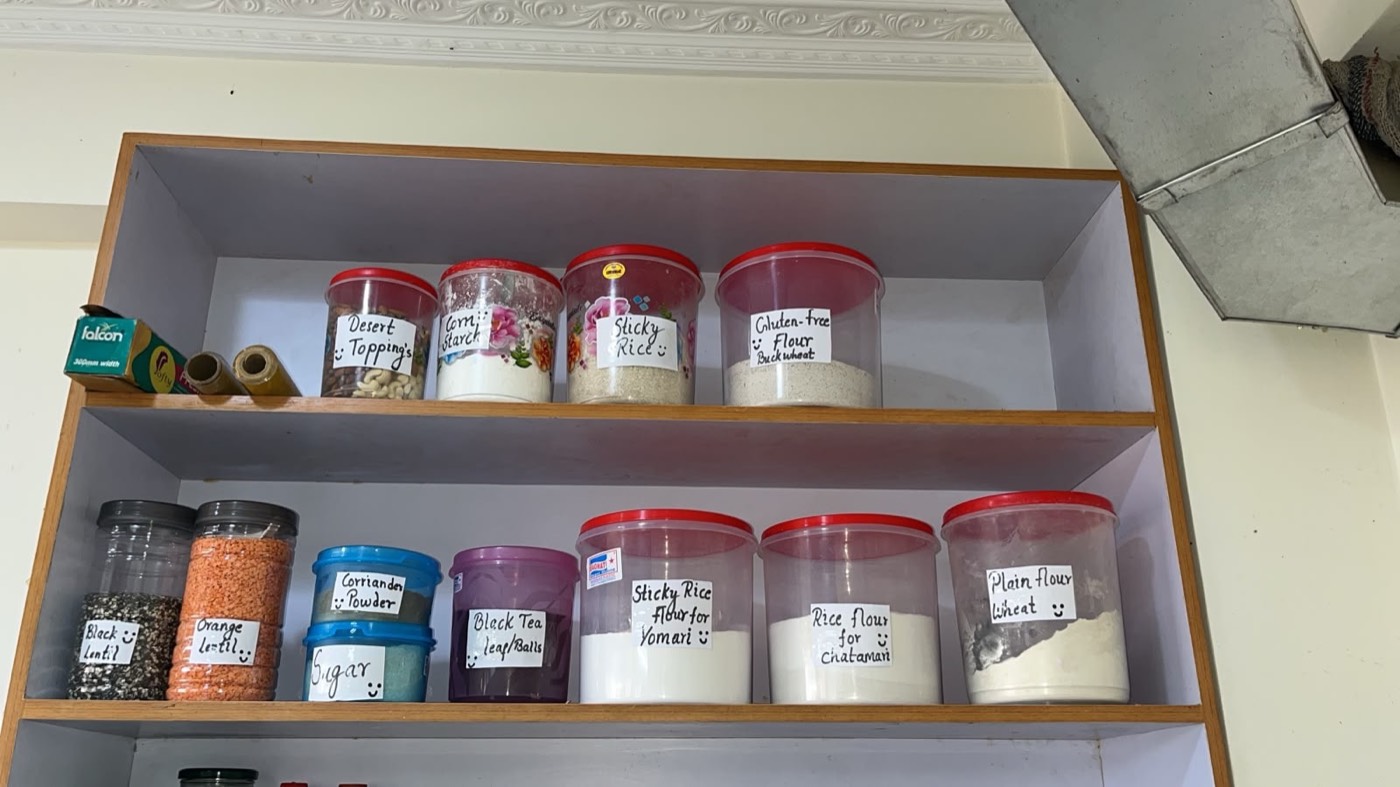
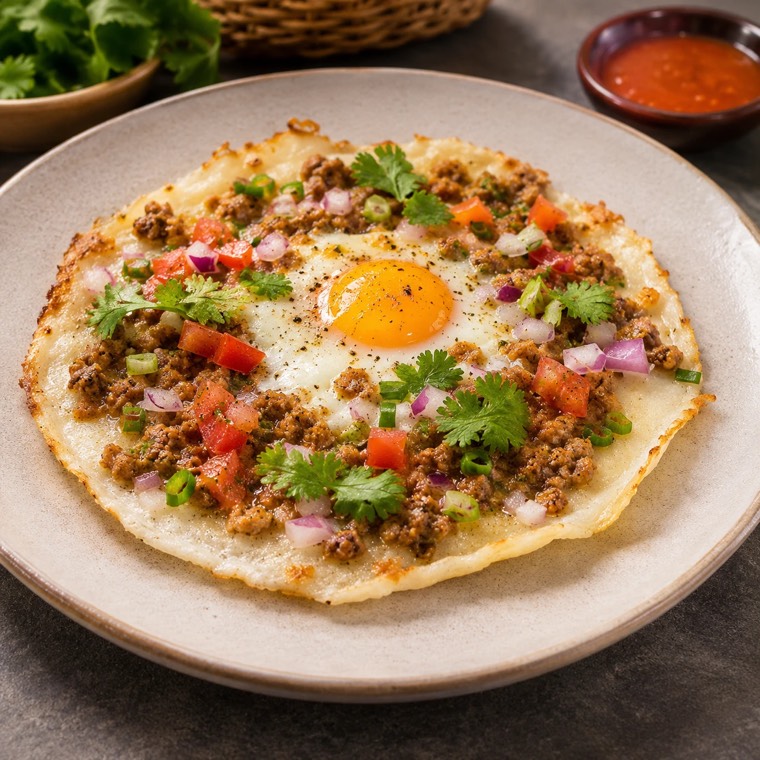
- Chatamari: a thin Newari rice-flour crepe topped with egg, meat or vegetables, sometimes called "Newari pizza".
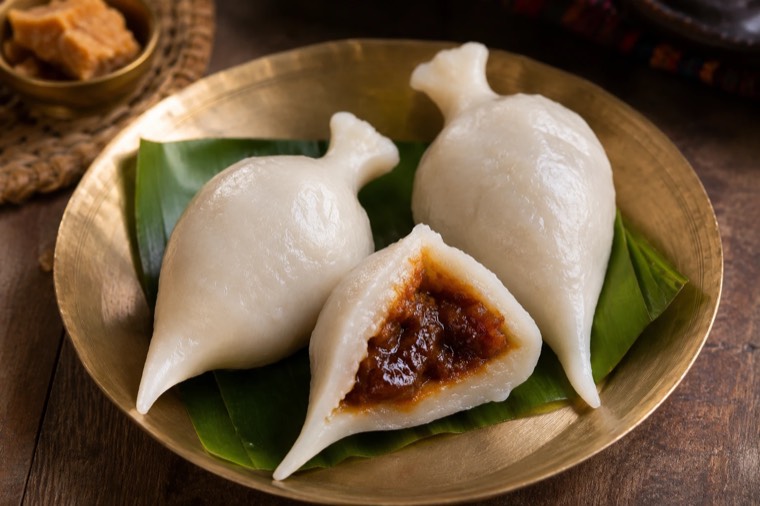
- Yomari: a steamed dumpling of sticky rice flour filled with chaku (molasses) and sesame, made for the Yomari Punhi festival.
- Kheer: rice pudding cooked slowly in milk with sugar, cardamom and nuts.
- Jaand and raksi: homemade rice beer and a stronger distilled spirit, part of many communities' festivals.
Rice in Nepali culture
- Asar 15, National Paddy Day: at the end of June, families plant rice in the muddy fields, sing traditional songs and eat dahi chiura (yoghurt with beaten rice).
- Pasni: a baby's first-rice ceremony, at around five or six months, when the child is fed rice for the first time in front of the family.
- Offerings: raw rice is used in pujas, and rice mixed with red powder and yoghurt makes the tika given at Dashain.
- Everyday respect: food, and rice especially, is treated with respect. Try not to waste it, and don't step over it.
How to cook rice the Nepali way
Most Nepali homes cook rice in a pot or a pressure cooker. This simple pot method works with most white rice.
- Wash the rice two or three times in cold water, until the water is nearly clear.
- Soak it for 15 to 20 minutes if you have time; it cooks more evenly.
- Add water: about 1½ to 2 cups of water for each cup of rice (less for basmati, more for everyday rice).
- Boil, then simmer: bring it to the boil, cover and cook on low heat for about 12 to 15 minutes.
- Rest: turn off the heat and leave it covered for 5 minutes, then fluff it gently.
Tip: a spoon of ghee on hot rice, with dal poured over it, is how many Nepalis enjoy it at home.
Buying Nepali rice
- For special meals: Jira Masino or Pokhareli Jethobudho for fragrance.
- For health: Jumli Marsi red rice.
- For everyday dal bhat: Mansuli or Sona Mansuli.
- Where: grocery shops and supermarkets in Kathmandu sell rice in 1 kg to 25 kg bags. Speciality rice is sold in smaller packs.
- Taking it home: check your country's rules on bringing food in before you pack rice.
Cook with rice in our classes
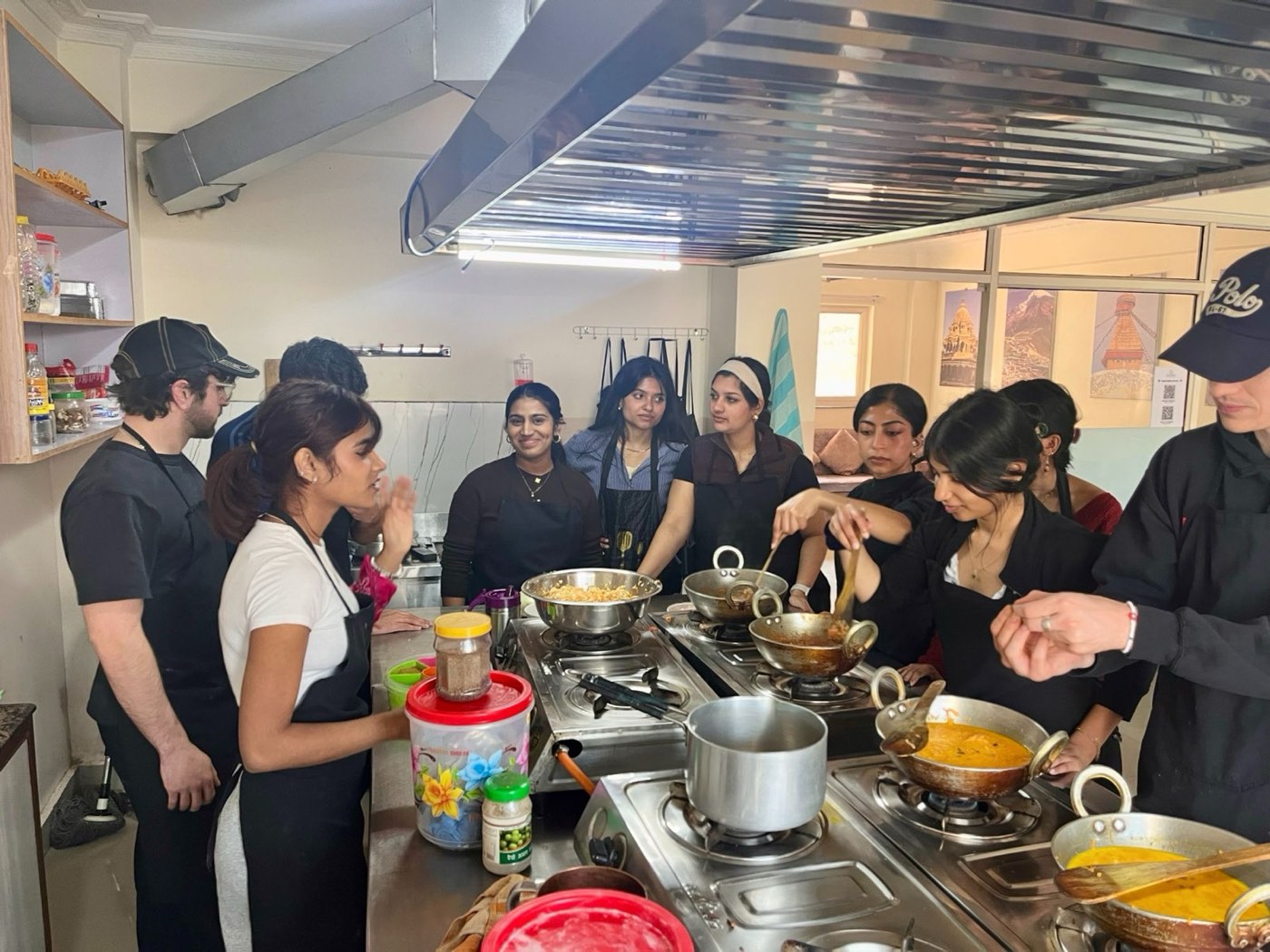
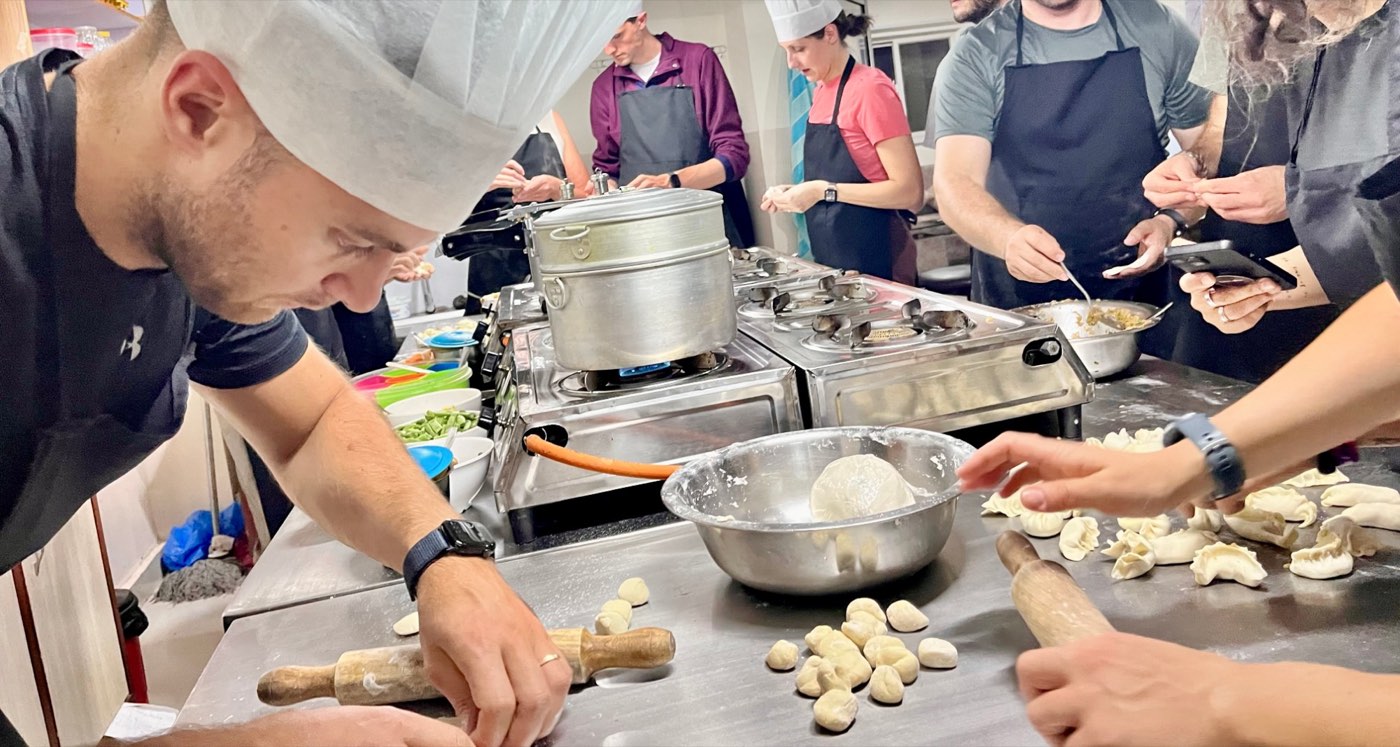
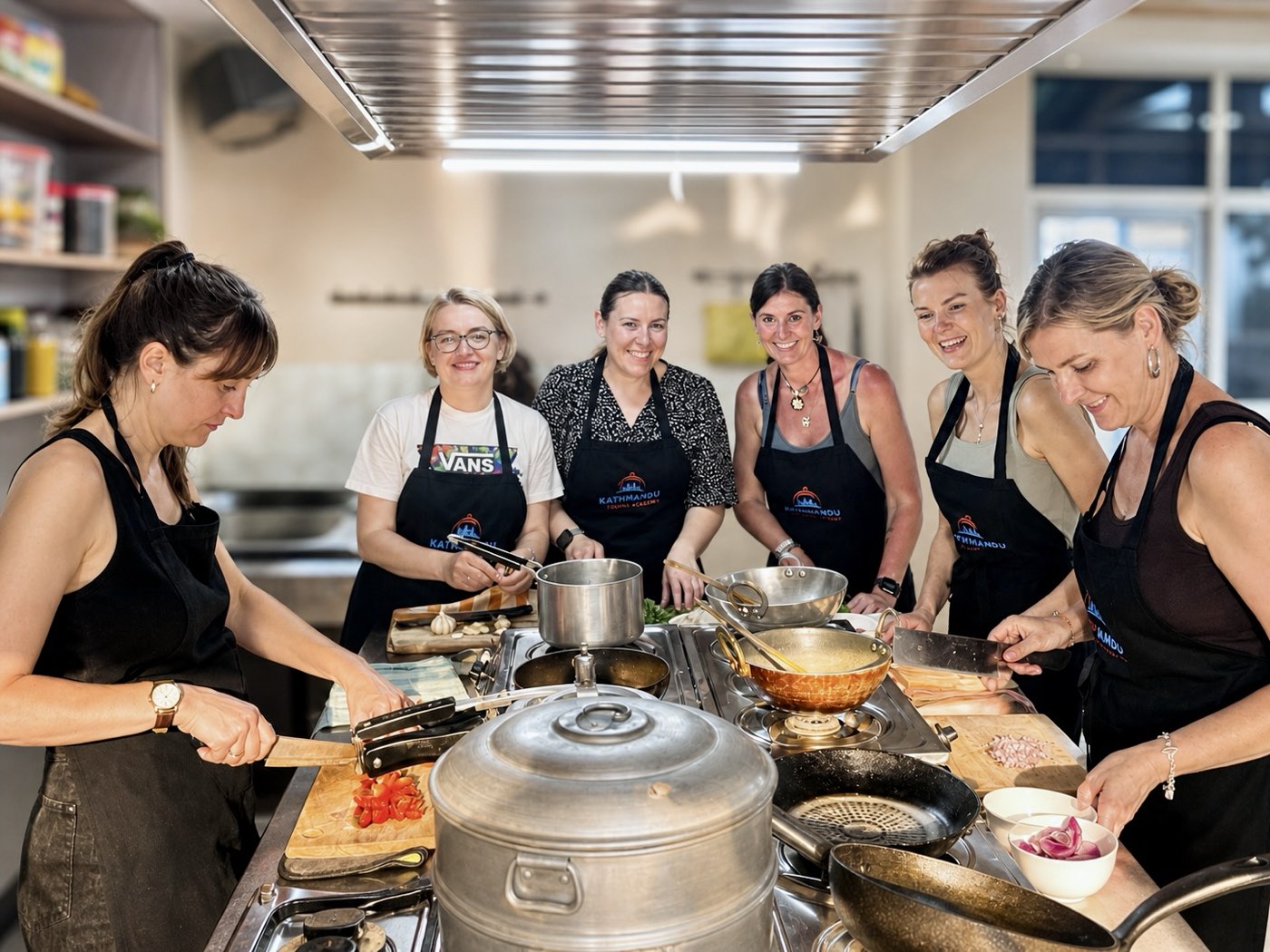
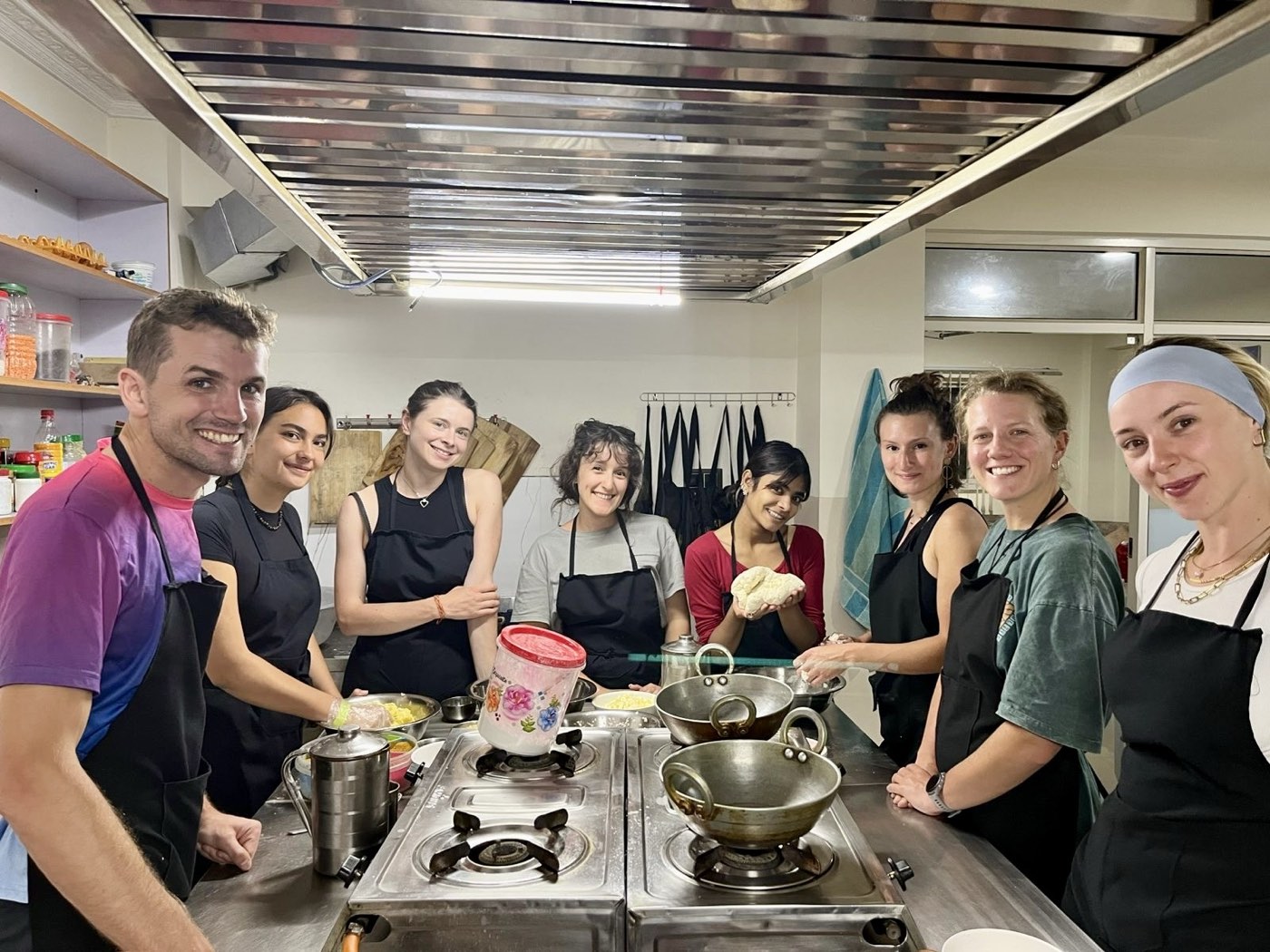
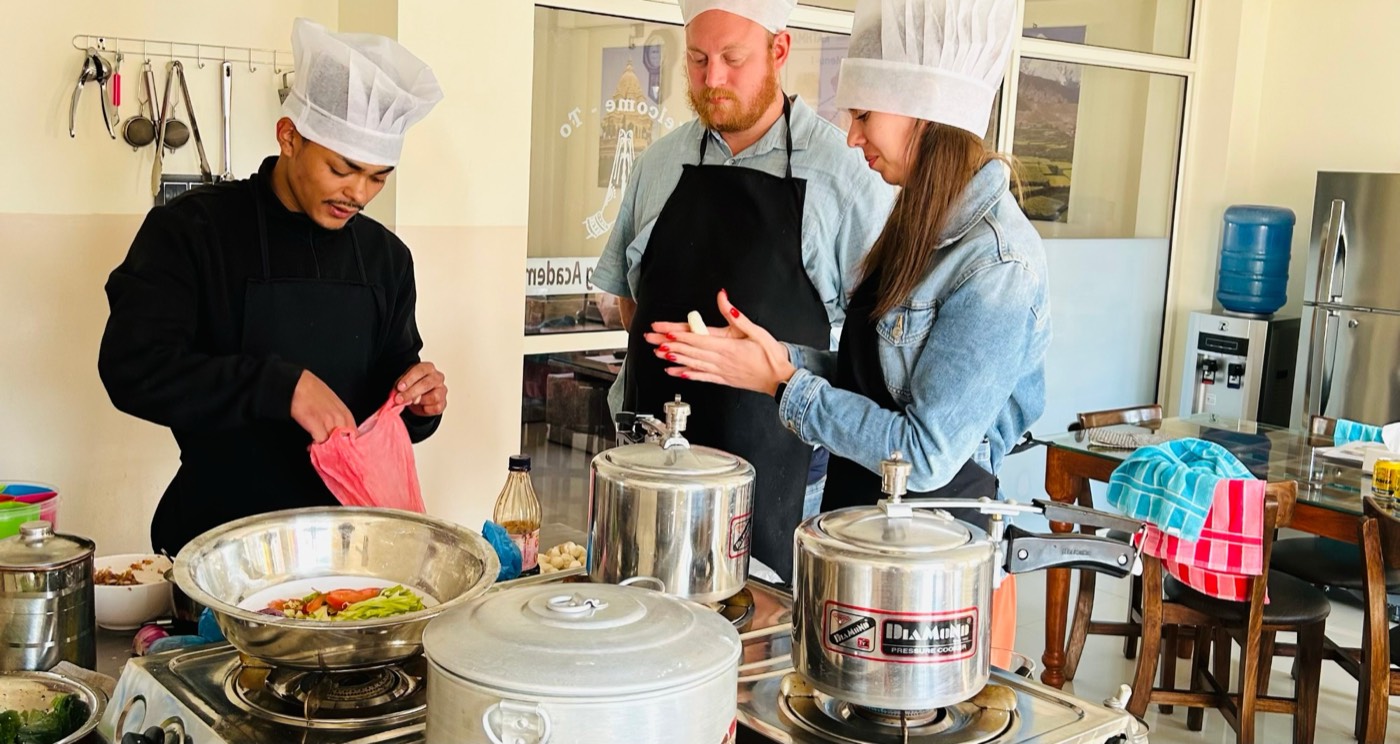
Rice is at the heart of our Full Nepali Cooking Class. Choose dal bhat as your main, or make chatamari or yomari from rice flour, and finish with kheer, Nepali rice pudding. Every class starts with masala tea and a short walk to a local shop for fresh ingredients.
- Full Nepali Cooking Class: $20 per person. Daily at 9:00 AM and 4:00 PM, about 3 hours. A starter, a main and a dessert or side, cooked from scratch.
- Momo Making Class: $15 per person. Daily at 1:00 PM, 1½ to 2 hours.
- Private Cooking Class: from $65 for your group. Up to 6 guests, any three dishes from our menu, hotel pickup included.
Frequently asked questions
What is the best rice in Nepal?
Jira Masino and Pokhareli Jethobudho are the most prized for their fragrance. For everyday dal bhat, most families use Mansuli.
What is rice called in Nepali?
Dhan is rice in the field, chamal is raw rice and bhat is cooked rice.
Do Nepalis eat rice every day?
Yes. Most Nepali families eat dal bhat twice a day, usually late morning and in the evening.
Is Nepali red rice healthy?
Jumli Marsi red rice keeps its outer layer, so it has more fibre than white rice and a nutty taste.
What is chiura?
Chiura is beaten rice: rice that is soaked, flattened and dried. It's crunchy and light, and it's a big part of Newari food and of Asar 15 celebrations.