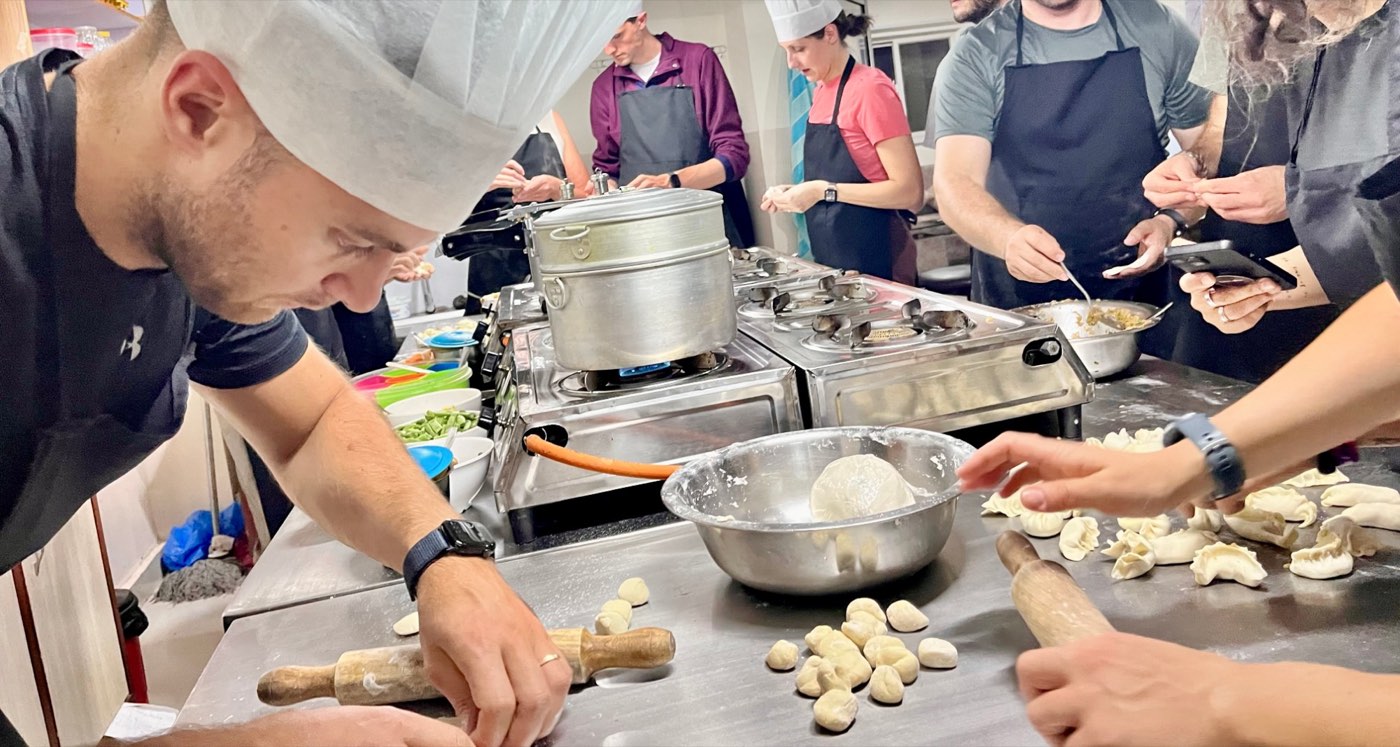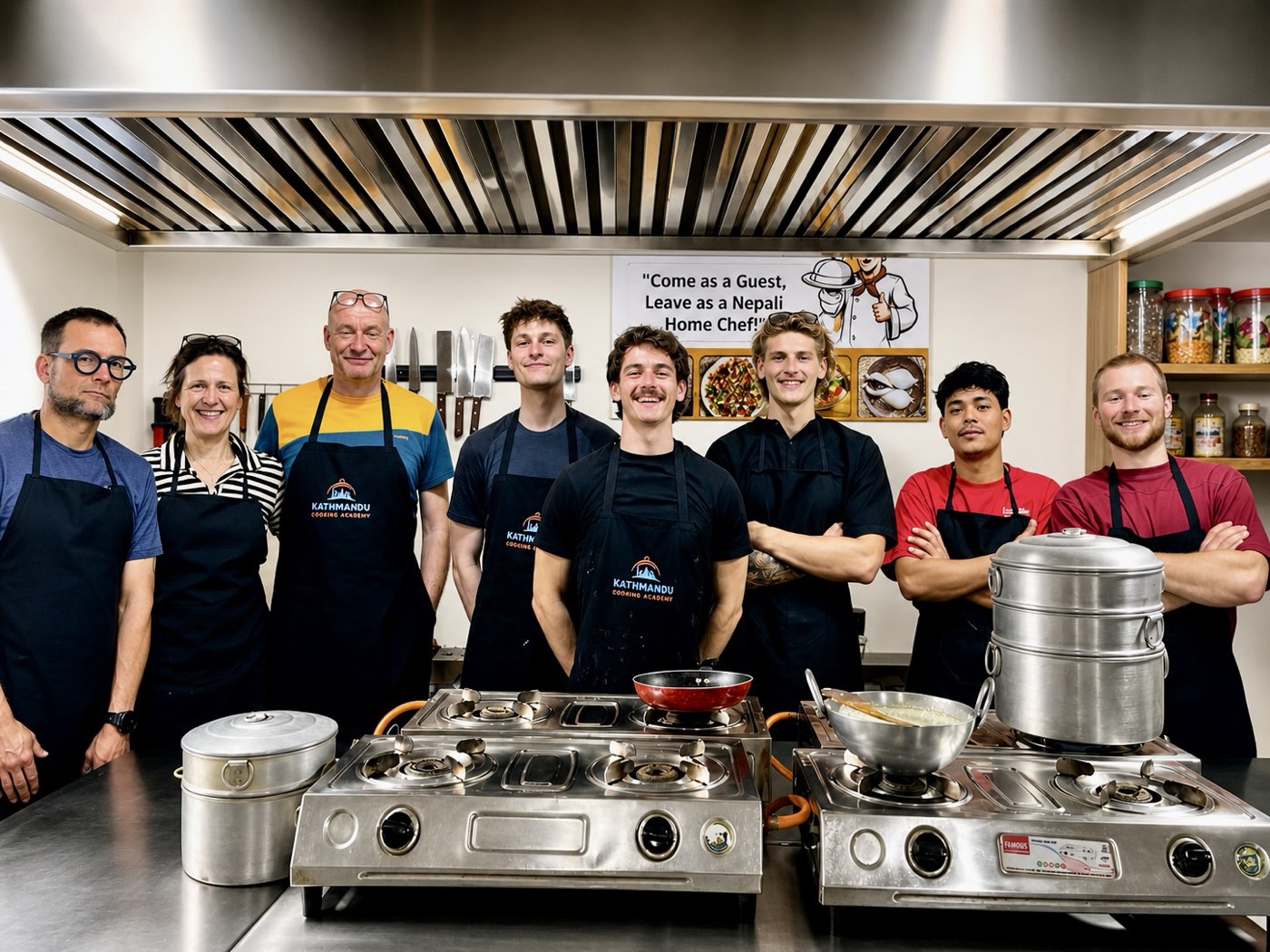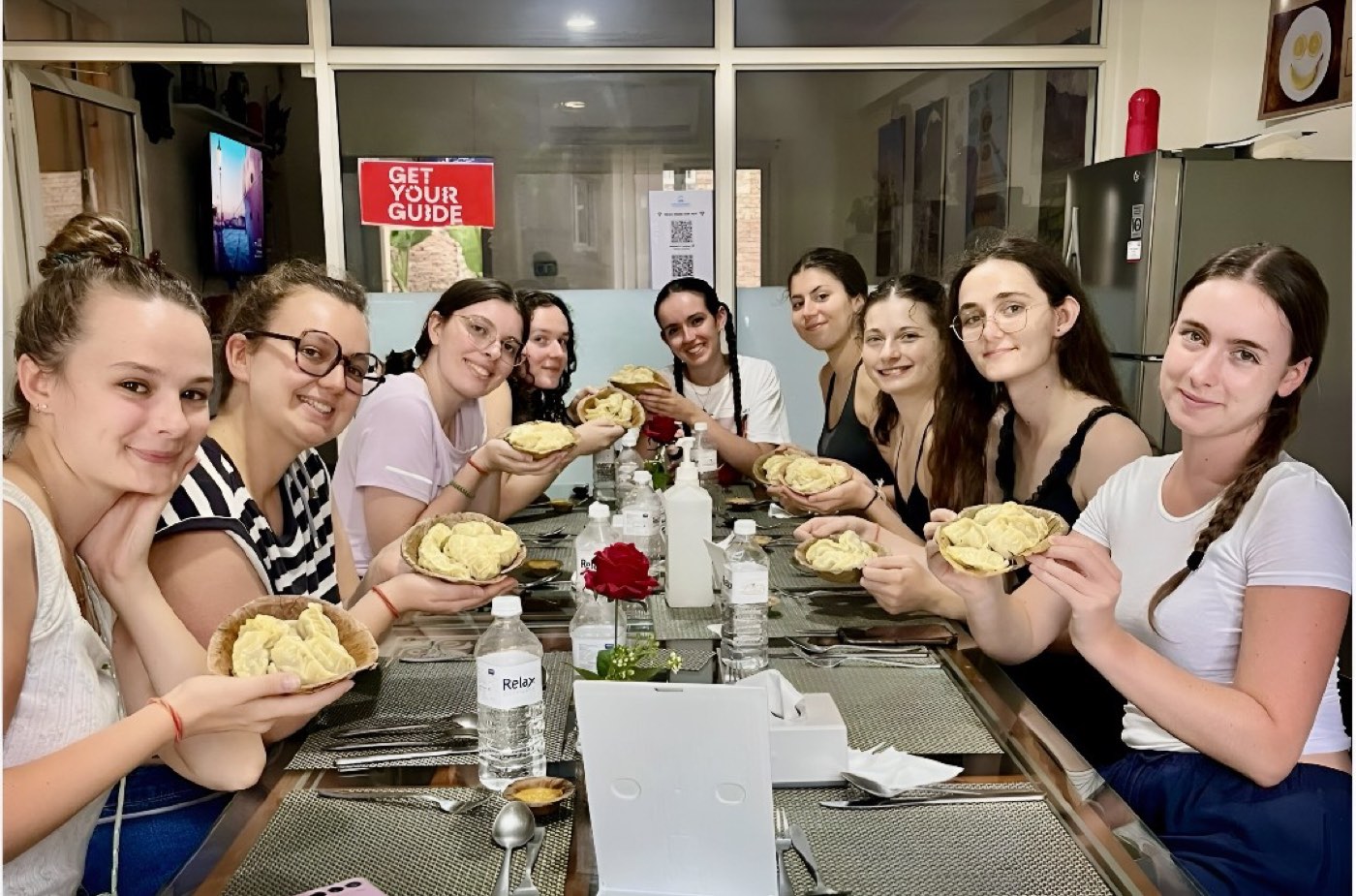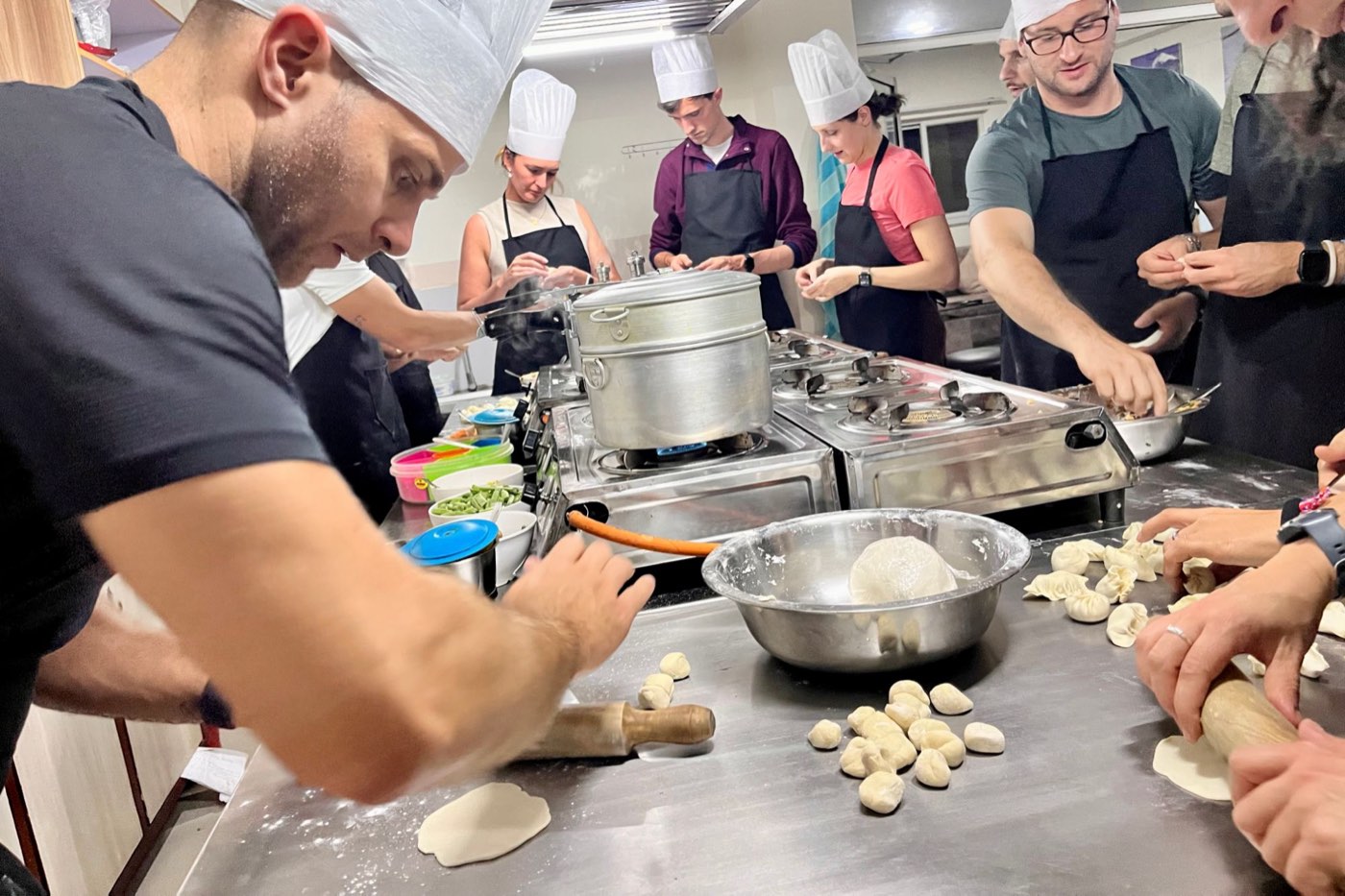
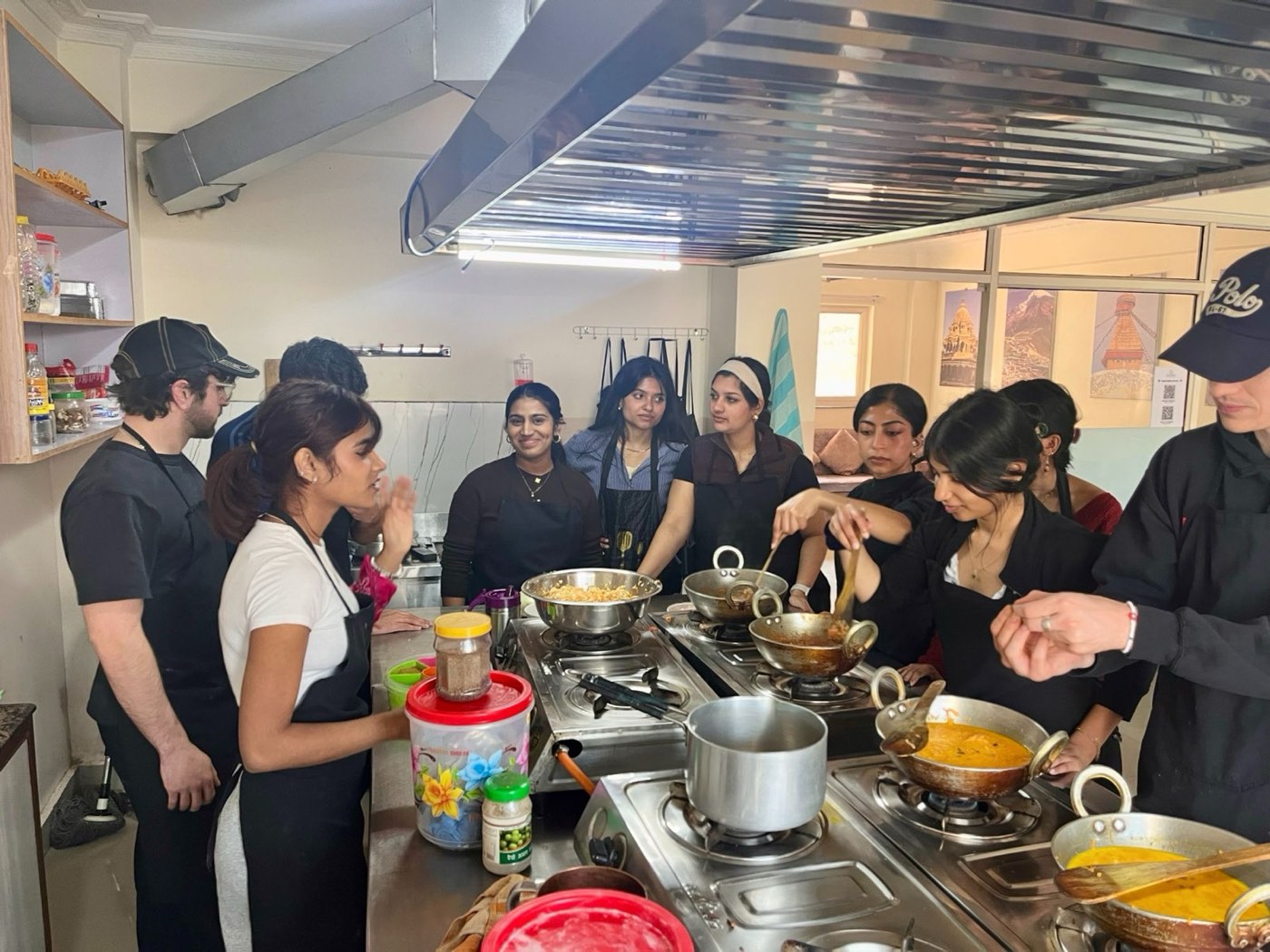
Nestled among the highest peaks and lush valleys of Nepal, a culinary powerhouse known as Dal Bhat fuels the lives of millions from city dwellers to trekkers traversing rugged Himalayan trails. This blog post dives into the essence of "Dal Bhat Power," exploring the nutritional benefits of Dal Bhat, the cultural significance of this staple meal, and how you can bring the ultimate Dal Bhat experience to your own kitchen.
What is Dal Bhat Power?
Dal Bhat Power is a term often used by locals and trekkers alike to describe the sustained energy and nutrition provided by this traditional Nepali meal. But what is Dal Bhat? It's a combination of Dal (lentil soup) and Bhat (rice) with various accompaniments like Tarkari (vegetable curry), Achar (pickle), and sometimes meat curries. This balanced meal is a powerhouse of energy, packed with protein, carbohydrates, vitamins, and minerals - all essential for demanding physical activities in the Himalayas.
Nutritional Benefits of Dal Bhat
The nutritional benefits of Dal Bhat are vast. Lentils are a great source of protein, essential amino acids, and dietary fiber, contributing to muscle repair and digestive health. Rice provides the necessary carbohydrates for energy. When combined with the array of vegetables and spices, Dal Bhat becomes a complete meal covering a wide spectrum of the body's nutritional needs.
Traditional Dal Bhat Recipe and Cooking Guide
Making Dal Bhat at home is an experience in itself. Here's a basic traditional Dal Bhat recipe and Dal Bhat cooking guide:
- Dal: Cook lentils until soft, then temper with turmeric, cumin, garlic, ginger, and ghee or oil for a flavorful soup.
- Bhat: Steam or boil rice until fluffy.
- Tarkari: Prepare a vegetable curry with seasonal veggies, spiced according to taste.
- Achar: Complement the meal with a tangy pickle.
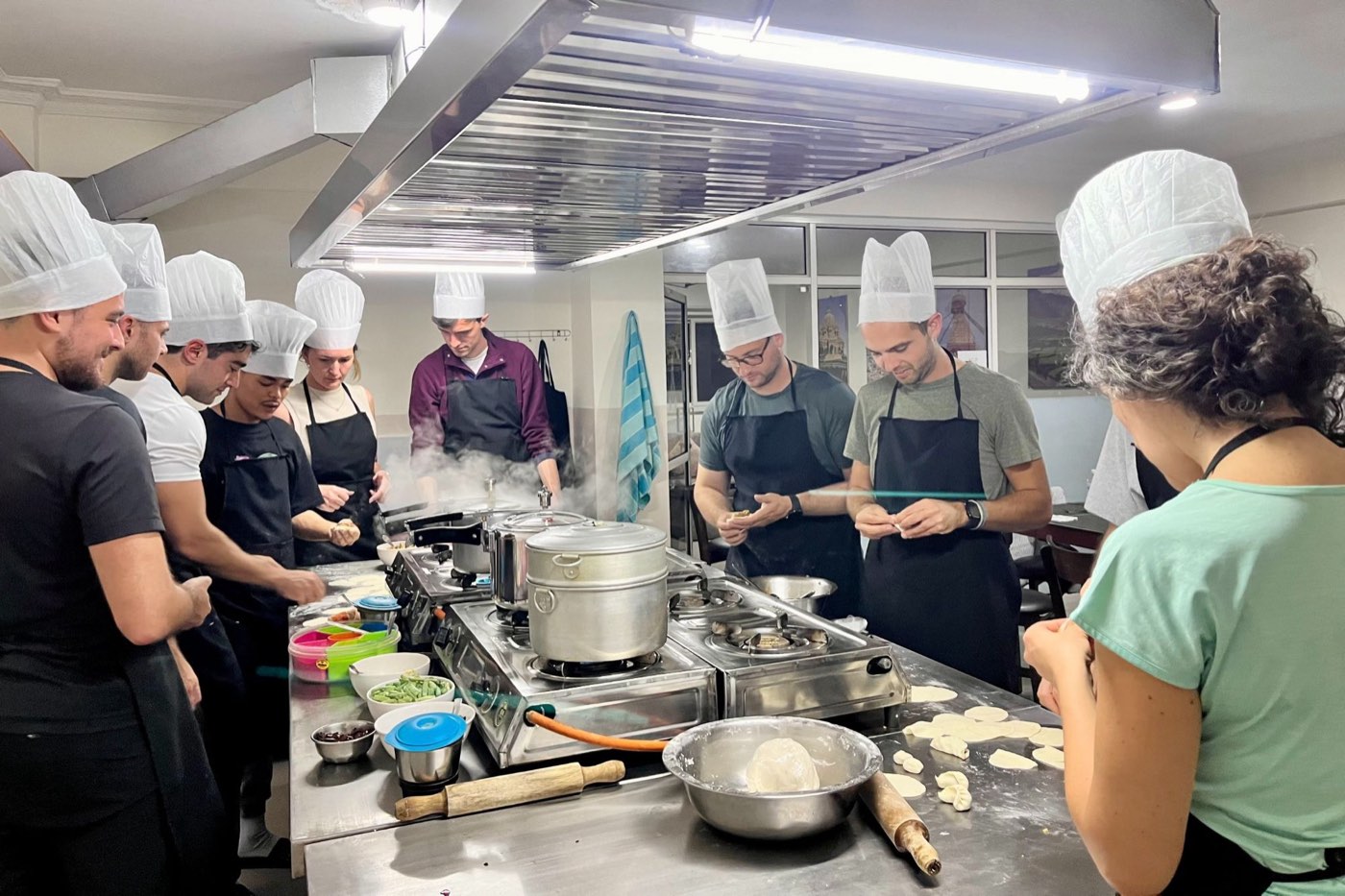
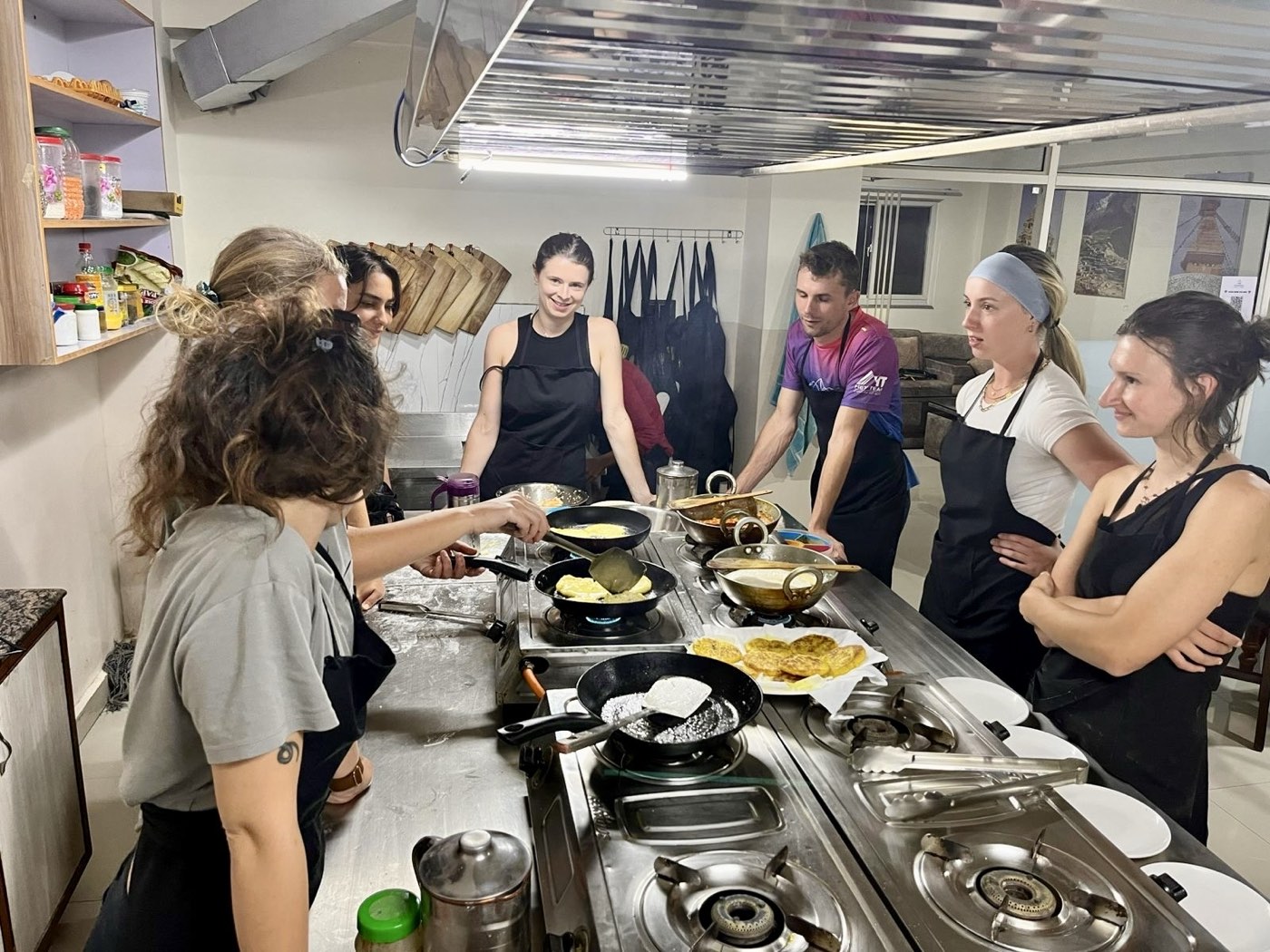
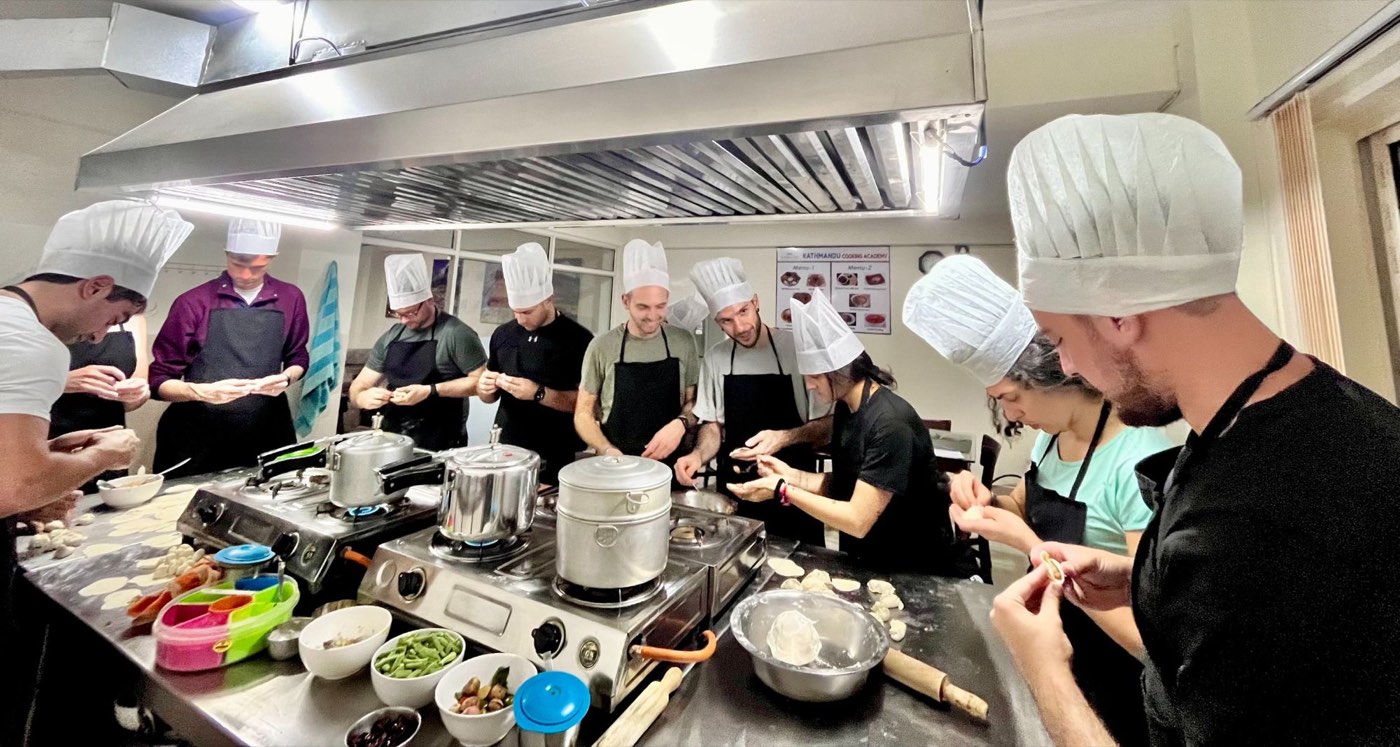
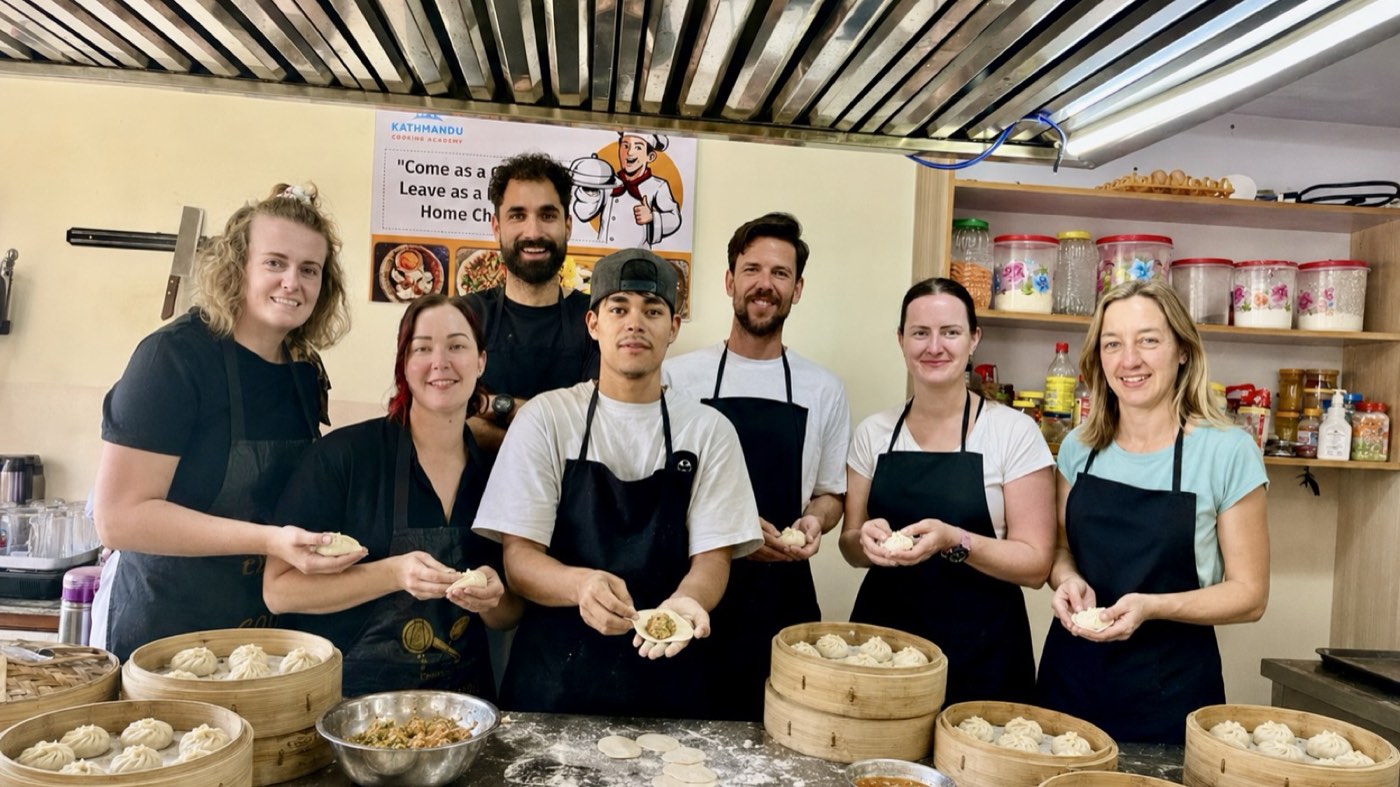
For a more detailed how-make Dal Bhat guide, visit the Kathmandu Cooking Academy's website or join one of our classes for a hands-on experience.
Dal Bhat for Trekkers and Its Variations
Dal Bhat is a staple for trekkers in Nepal due to its high energy content and the use of local, replenishable ingredients. Dal Bhat trekking meals are designed to be more nutrient-dense with additional lentils or meat and are often referred to as the "super fuel" for hikers. The Dal Bhat and its variations can range from simple, everyday recipes to more elaborate festive versions with a variety of side dishes.
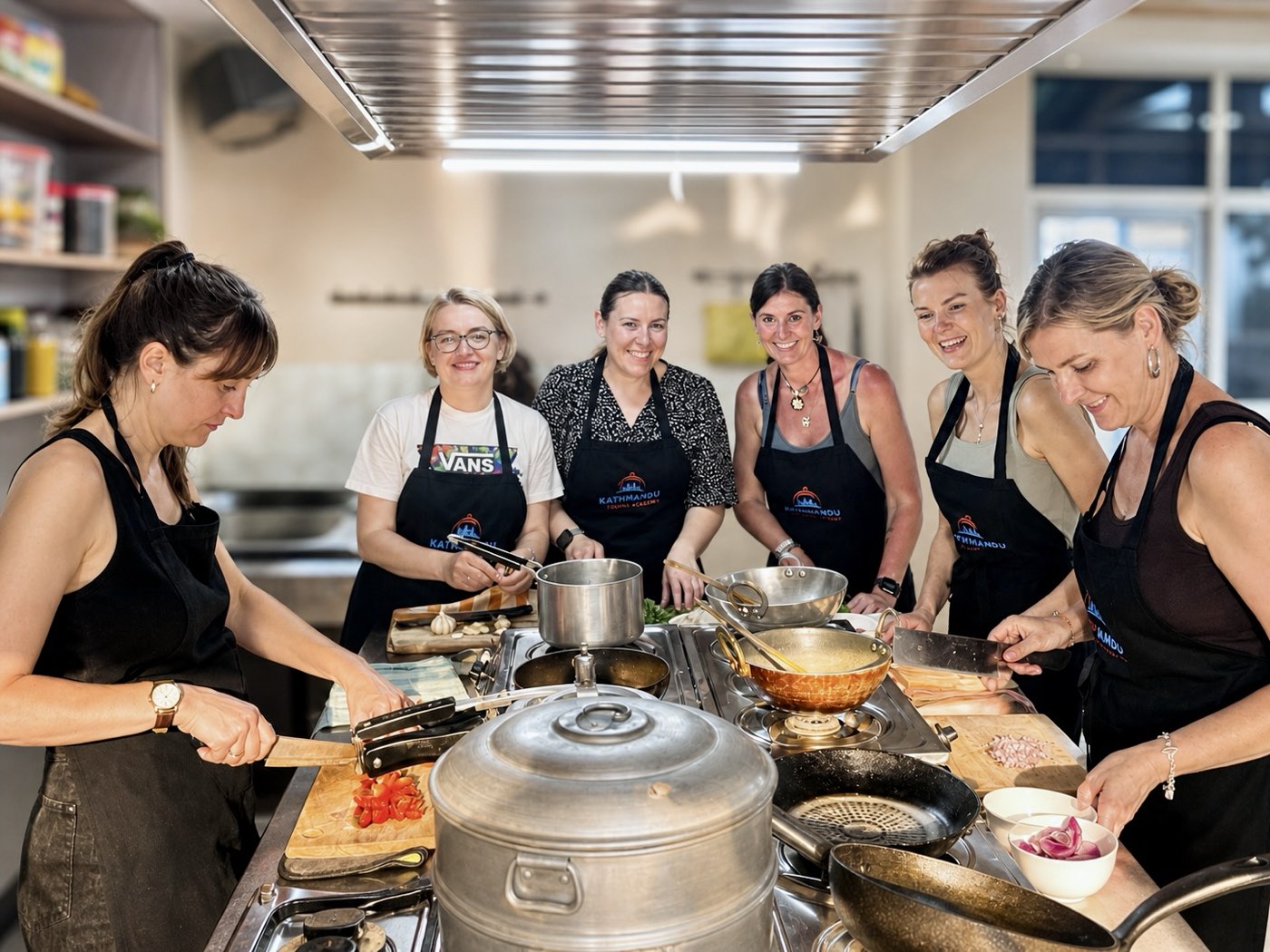
Dal Bhat and Nepali Culture
Dal Bhat and Nepali culture are deeply intertwined. It's a symbol of Nepali hospitality and is often the first meal offered to guests. The best Dal Bhat in Kathmandu can be found in both bustling local bazaars and high-end restaurants, showcasing its universal appeal across all socioeconomic tiers.
Vegetarian Dal Bhat Recipe
For vegetarians, a vegetarian Dal Bhat recipe replaces meat curries with an assortment of vegetable dishes, making it equally nutritious and delicious. Lentils provide the necessary proteins while a variety of vegetables ensure a rich intake of vitamins and minerals.
Eating Dal Bhat Like a Local
Eating Dal Bhat like a local means more than just enjoying the meal; it's about embracing the communal and ritualistic aspects of sharing food. It's typically eaten with the right hand, mixing the rice with lentils and curries for the perfect bite every time.
The Secret of Dal Bhat Power
So, the secret of Dal Bhat Power? It lies in its simplicity and balance. A meal that is greater than the sum of its parts, providing sustained energy and essential nutrients, all while being deeply satisfying and delicious.
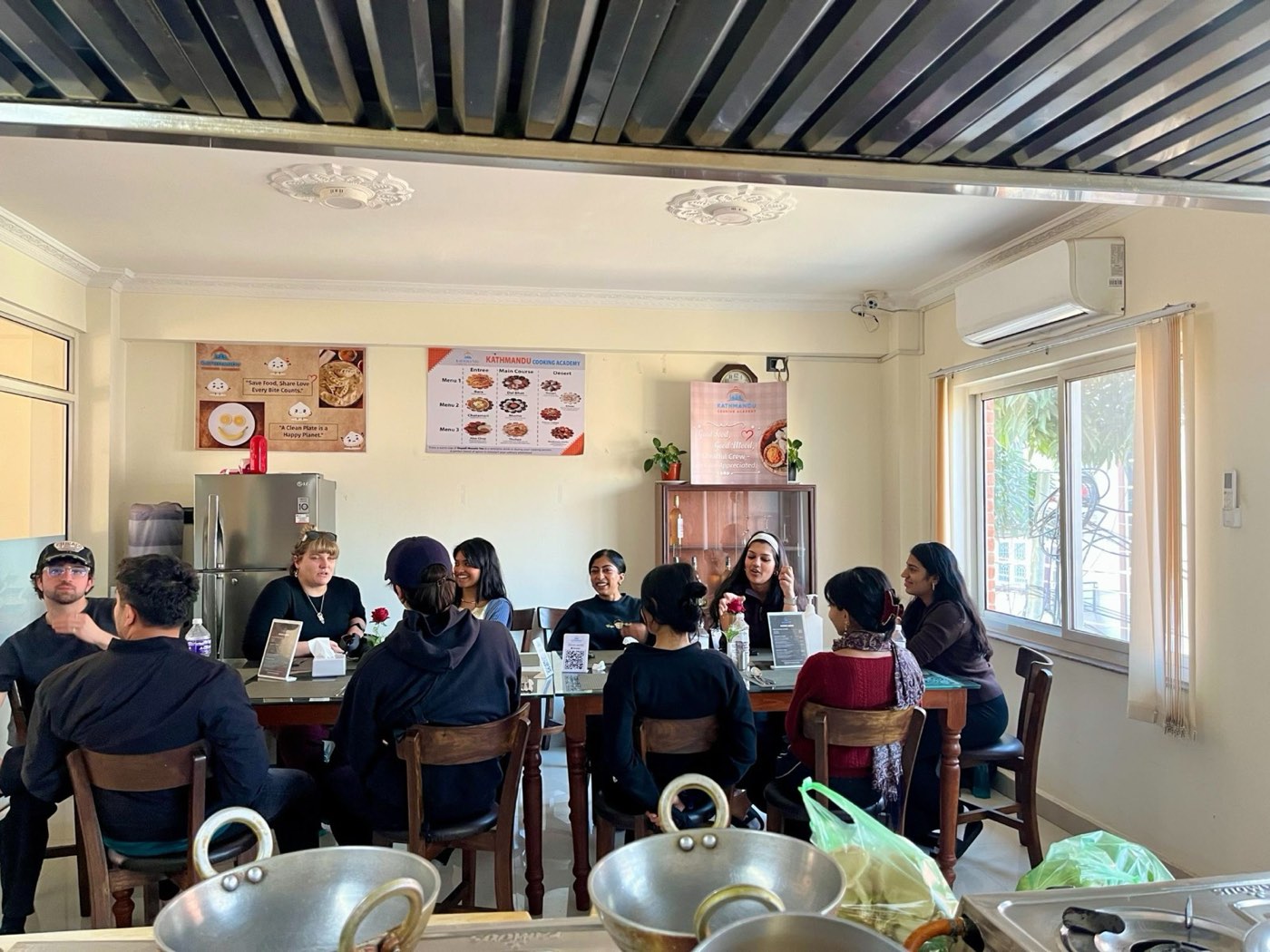
Homemade Nepali Dal Bhat
Creating homemade Nepali Dal Bhat is to partake in a ritual that has nourished generations. It's a culinary meditation, an act of love and nourishment. With our Dal Bhat food guide, you can bring this essential piece of Nepali culture into your home, no matter where you are in the world.
Dal Bhat is more than just a meal; it's a philosophy, a way of life that resonates with the ethos of Nepal - resilience, simplicity, and harmony. At Kathmandu Cooking Academy, we invite you to explore the rich flavors and profound cultural roots of this iconic meal. Join us in celebrating the power of Dal Bhat, a dish that continues to sustain, delight, and bring people together, one plate at a time.
What's on a dal bhat plate?
Dal bhat is more than lentils and rice. A full plate, or thali, usually has:
- Bhat: plain steamed rice, the base of the meal.
- Dal: a thin, comforting lentil soup, often made with red or black lentils and finished with a sizzling tempering of ghee, cumin and garlic.
- Tarkari: a seasonal vegetable curry, such as potato and cauliflower, or a chicken curry.
- Saag: stir-fried greens like mustard or spinach.
- Achar: a spicy pickle or fresh chutney, from tomato to radish to timur.
- Often a few slices of cucumber, lemon and a crisp papad on the side.
You mix a little of everything with the rice and eat it, traditionally with your right hand. In most homes and trekking lodges, more rice and dal are offered until you say you're full.
Make a simple dal at home
- Rinse 1 cup of red lentils (masoor) and simmer them with 4 cups of water, ½ teaspoon of turmeric and salt for about 20 minutes, until soft.
- Heat a spoon of ghee or oil in a small pan. Add a pinch of jimbu (a Himalayan herb) or cumin seeds, then a sliced garlic clove.
- When the garlic turns golden, pour the hot tempering into the dal. It will sizzle loudly: that's the flavour.
- Finish with chopped coriander and serve with rice, a vegetable curry and achar.
Why trekkers swear by it
Rice and lentils together give you slow, steady energy and good plant protein, and the vegetables and greens add vitamins and fibre. It's warm, easy to digest at altitude and comes with free refills, which is why porters and trekkers say "dal bhat power, 24 hour".