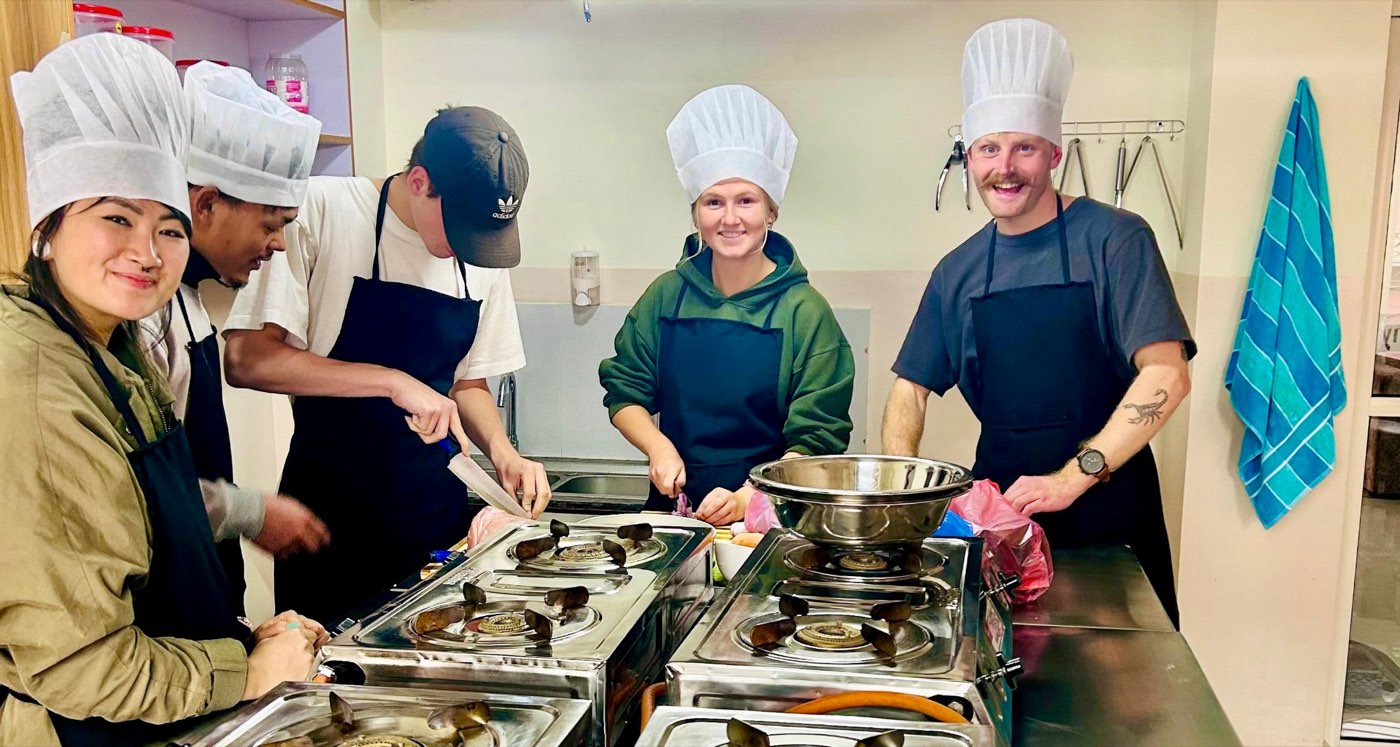
 By the KCA chefs
Nepalis love sweets. They're offered to the gods, shared at every festival, handed out at weddings and eaten with a glass of milk tea on an ordinary afternoon. From the Newari yomari of the Kathmandu Valley to Bhaktapur's famous "king curd" and the syrupy sweets of the Terai, Nepali desserts are a delicious way to discover the country.
This guide covers the Nepali desserts and sweets worth trying, when they're eaten, where to find them, and an easy kheer recipe to make at home.
Nepali desserts at a glance
- Newari favourites: yomari, juju dhau (king curd) and sikarni.
- Everyday sweet shop treats: lalmohan, rasbari, jeri, barfi and laddoo.
- Festival sweets: sel roti, anarasa and fini roti for Tihar; chaku and til laddoo for Maghe Sankranti.
- Home-made classics: kheer (rice pudding) and halwa.
- Common ingredients: milk, ghee, sugar or chaku (molasses), rice, sesame, cardamom and nuts.
1. Yomari
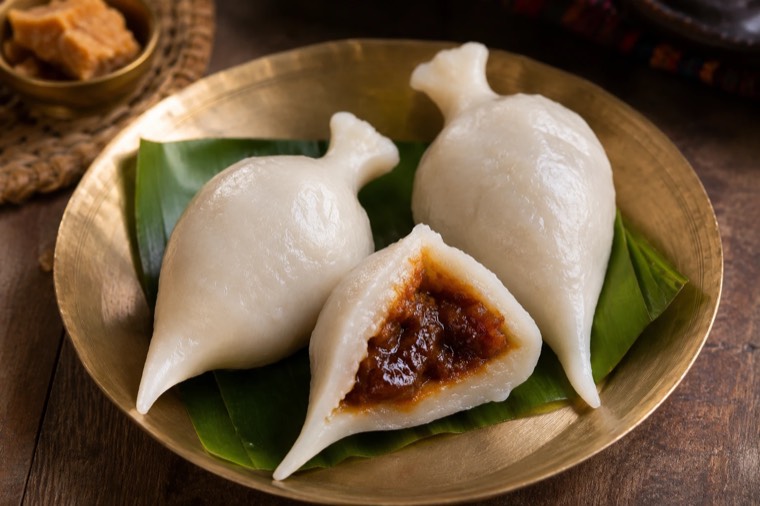
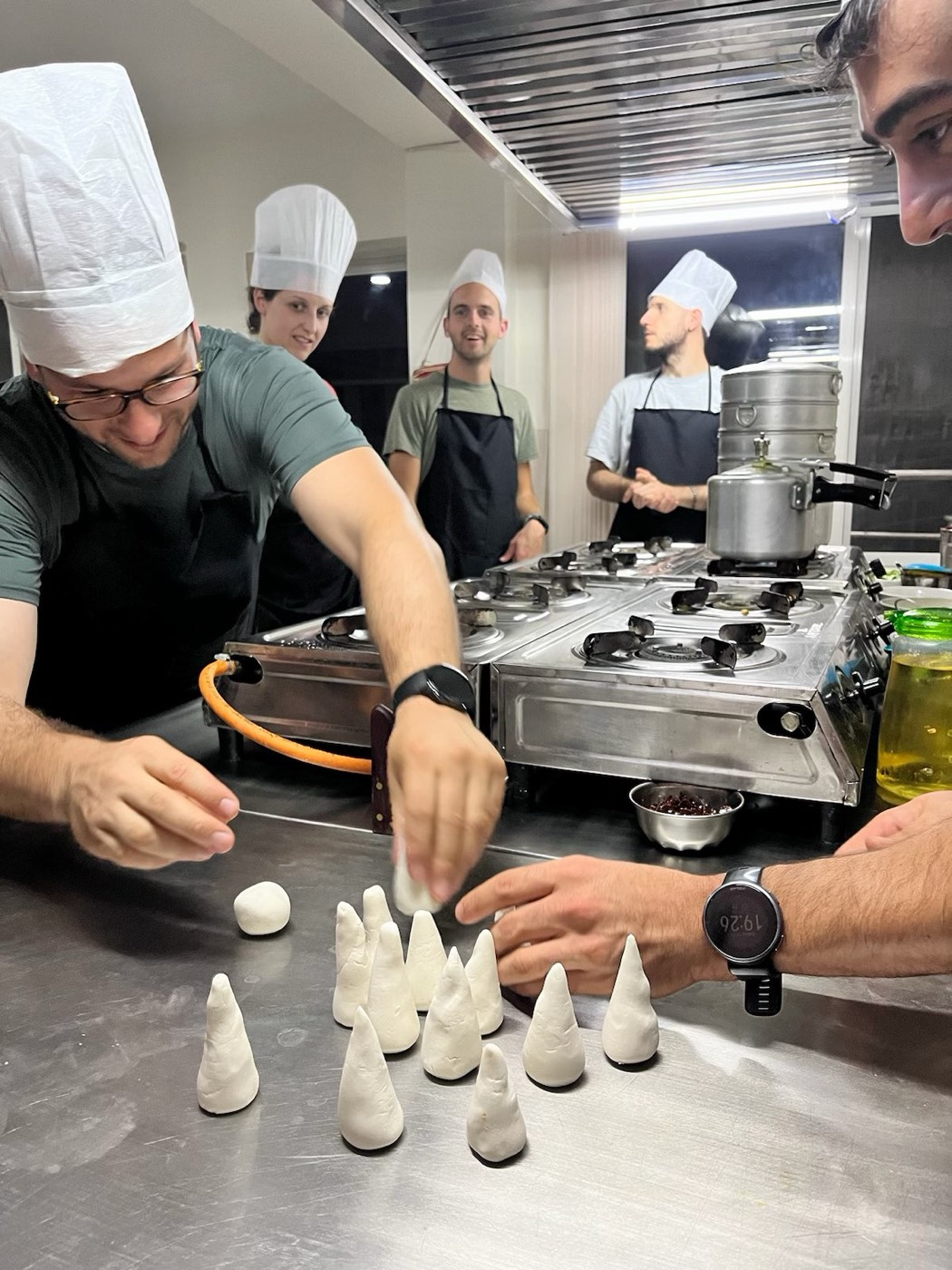
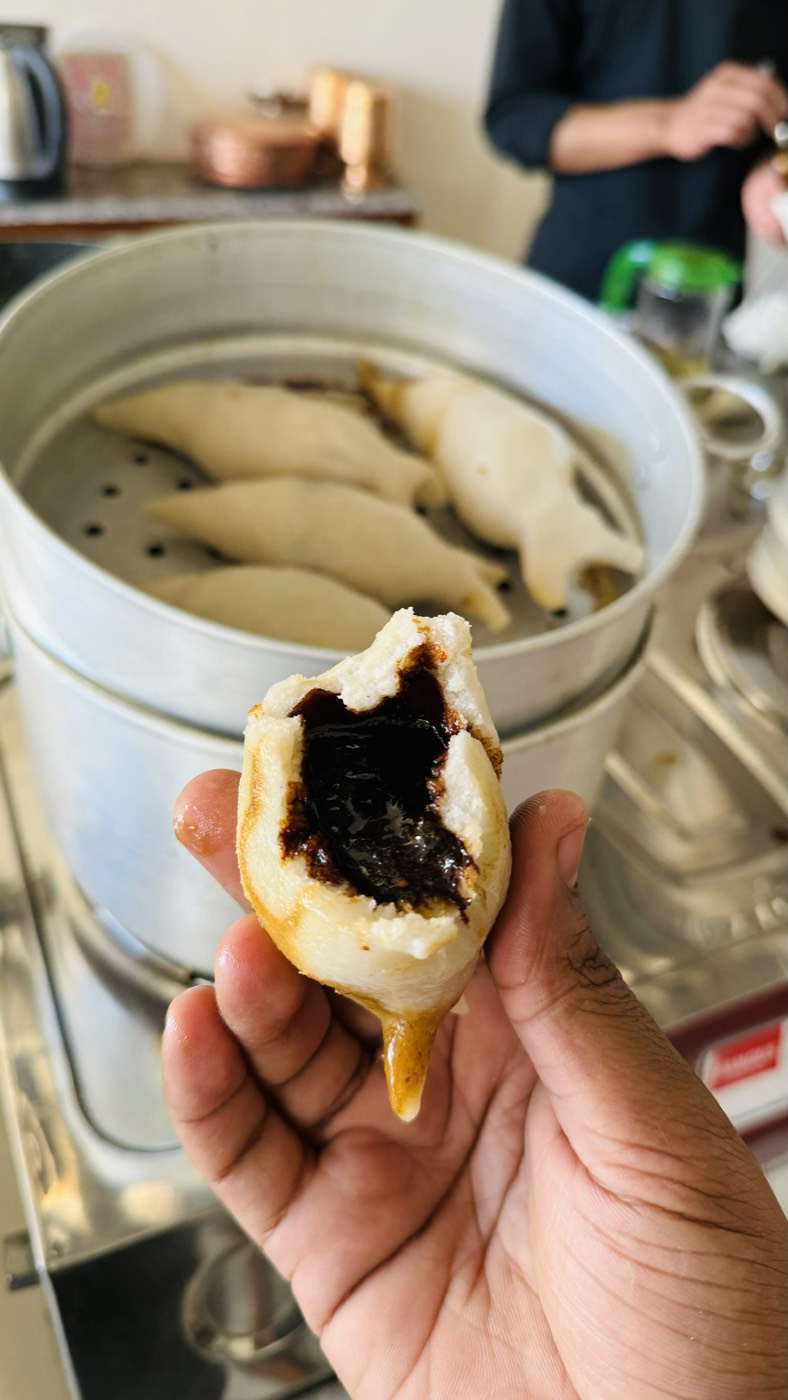
A Newari treasure from the Kathmandu Valley. A dough of sticky rice flour is shaped into a cone or fish shape, filled with chaku (dark, sticky molasses) and toasted sesame, then steamed. Bite in and the warm, sweet filling runs out.
Yomari is made for Yomari Punhi, the full moon of December, when Newar families celebrate the rice harvest. It's also one of the desserts you can make in our Full Nepali Cooking Class.
2. Juju dhau (king curd)
"Juju dhau" means "king of yoghurts", and Bhaktapur is famous for it. Creamy, sweet, set yoghurt made from boiled-down buffalo milk, served in small clay pots (kataro) that soak up extra moisture and make it thick. If you visit Bhaktapur, eat it there, in the clay pot.
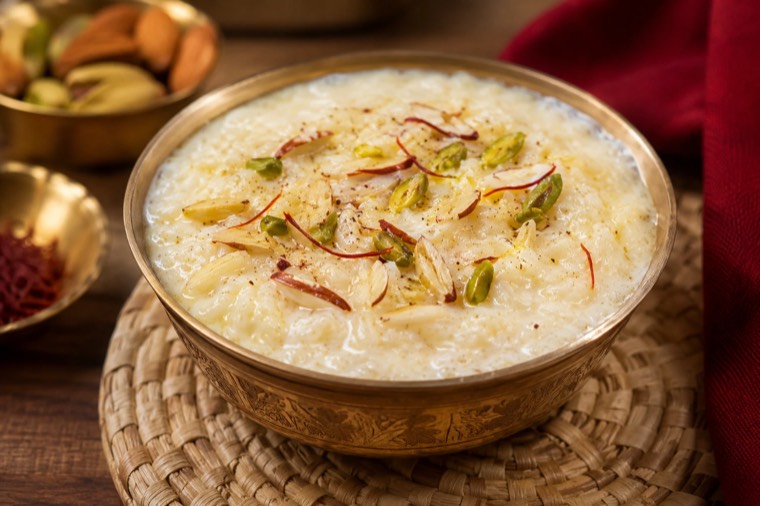
3. Kheer
Rice pudding, slowly cooked in milk with sugar, cardamom, raisins and nuts. It's comfort food in every Nepali home and a dessert for pujas, weddings and festivals. Nepal even has a day for it: on Shrawan 15, in late July, families eat kheer together to mark the middle of the monsoon.
4. Sikarni
A rich, chilled dessert of strained yoghurt whipped with sugar, cardamom, a little saffron and nuts. Smooth, tangy and sweet, it's often served at the end of a Newari feast or a family celebration.
5. Lalmohan
Soft, deep-fried balls of milk dough soaked in sweet syrup, similar to gulab jamun. Lalmohan is a sweet-shop favourite and is often served warm at weddings and parties.
6. Rasbari
Spongy white balls of fresh cheese (chhena), cooked in light sugar syrup. Cool, juicy and less heavy than lalmohan.
7. Jeri and swari
Jeri are bright orange spirals of batter, deep-fried and dipped in syrup, crisp and sticky at the same time. In Kathmandu they're traditionally eaten for breakfast with swari, a soft fried flatbread, sometimes with a glass of hot milk.
8. Barfi and peda
Dense milk sweets made from khuwa (reduced milk) and sugar, flavoured with cardamom, coconut or nuts. Barfi comes in squares or diamonds, peda in small rounds. Both are given as gifts and offered at temples.
9. Laddoo
Round sweets made from chickpea flour, semolina or sesame with ghee and sugar. Til laddoo (sesame) is made for Maghe Sankranti in January, and laddoo of every kind fills the plates at Tihar and Dashain.
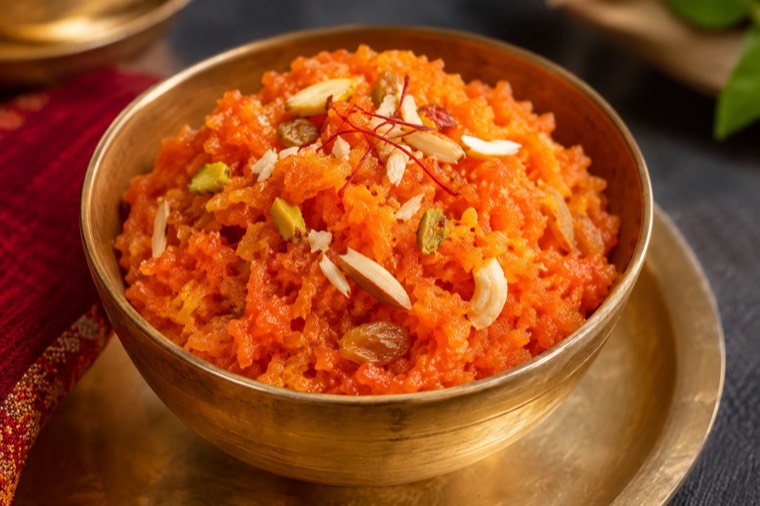
10. Halwa
A soft, warm pudding cooked in ghee. Suji ko halwa is made from semolina and is often offered at pujas; gajar ko halwa (carrot halwa) is a winter favourite, slow-cooked with milk, sugar and cardamom. Carrot halwa is one of the desserts in our cooking class.
11. Tihar and festival sweets
- Sel roti: the sweet, crisp rice-flour ring made in every home for Tihar. Read more in our guide to Nepali roti.
- Anarasa: small, crisp fried sweets of rice flour and sugar, coated in sesame.
- Fini roti: flaky, layered fried pastries, lightly sweet, stacked high on Tihar plates.
- Gudpak: a rich sweet of ghee, sugar or molasses, nuts and edible gum, made for winter celebrations and new mothers.
12. Maghe Sankranti sweets
In mid-January, Nepalis mark the start of warmer days with foods believed to warm the body: chaku (molasses), sesame laddoo, ghee, boiled sweet potato and yam (tarul). Chaku is sold in big slabs in every market around this time.
Easy kheer at home
Serves 4. About 45 minutes.
- ¼ cup short-grain or fragrant rice (such as Jira Masino), washed
- 1 litre whole milk
- 4 to 5 tablespoons sugar, to taste
- 4 green cardamom pods, crushed
- 1 tablespoon ghee
- A handful of raisins, cashews and almonds
- Heat the ghee in a heavy pan and fry the rice for 1 to 2 minutes until it smells nutty.
- Add the milk and cardamom and bring to the boil, stirring.
- Lower the heat and simmer for 30 to 35 minutes, stirring often so it doesn't stick, until the rice is very soft and the milk is creamy.
- Add the sugar, raisins and nuts and cook for 5 more minutes.
- Serve warm, or chill it. It thickens as it cools; add a splash of milk if needed.
Tip: use a heavy pan and keep the heat low. Patience is what makes kheer creamy. Read more about Nepali rice in our rice varieties guide.
Where to try Nepali sweets
- Bhaktapur: juju dhau in clay pots, right where it's made.
- Sweet shops (mithai pasal): lalmohan, rasbari, barfi, laddoo and jeri, all over Kathmandu. Asan and the old city have many.
- Newari restaurants: yomari (especially in December) and sikarni.
- Festivals: visit during Tihar and you'll be offered sel roti and sweets in every home.
Make yomari, kheer or carrot halwa with us
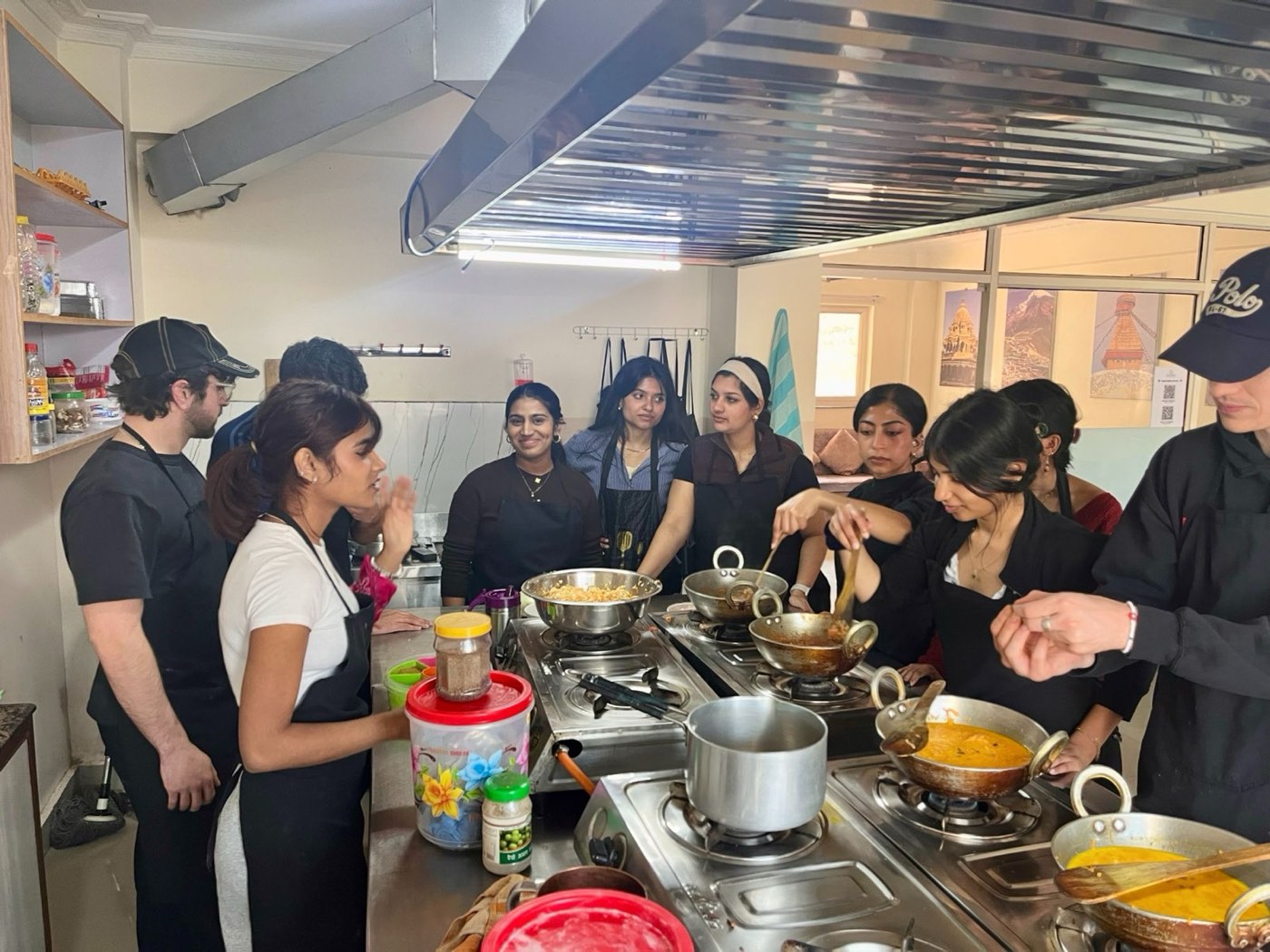
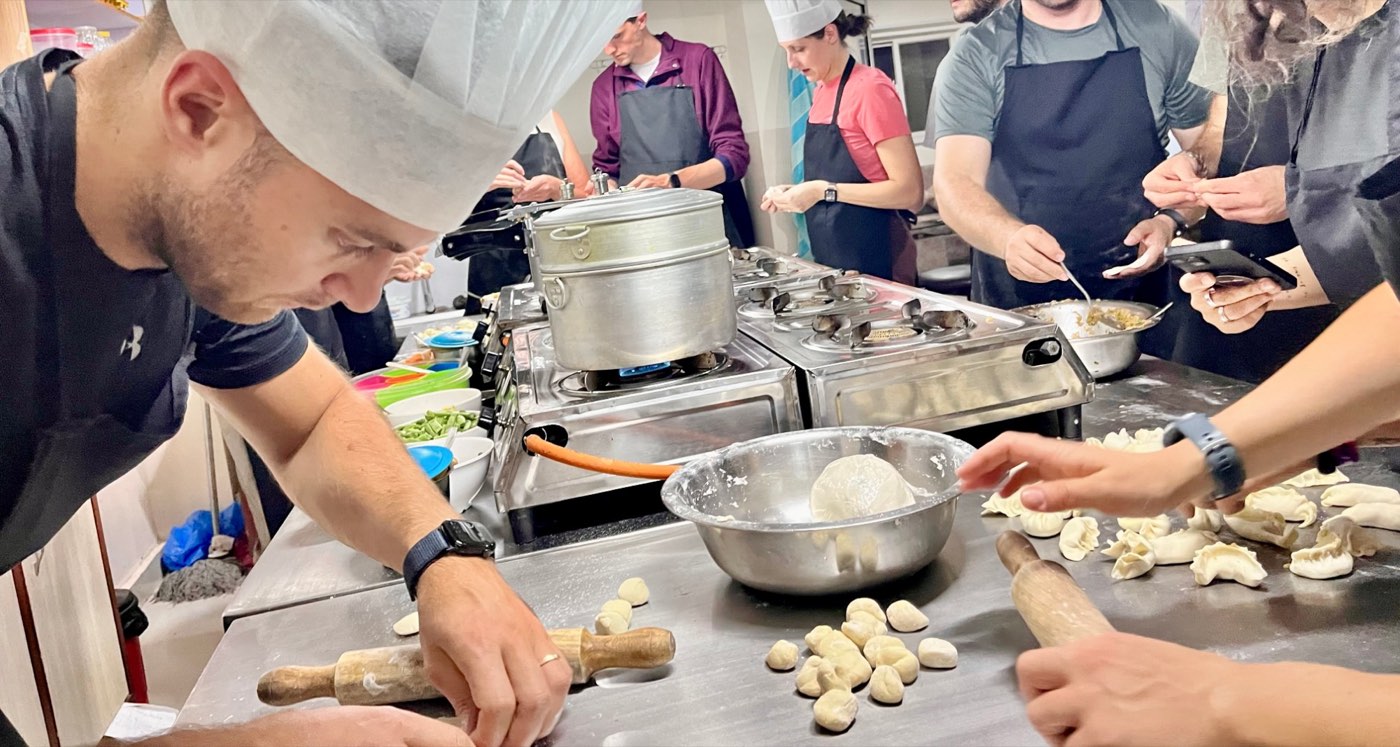
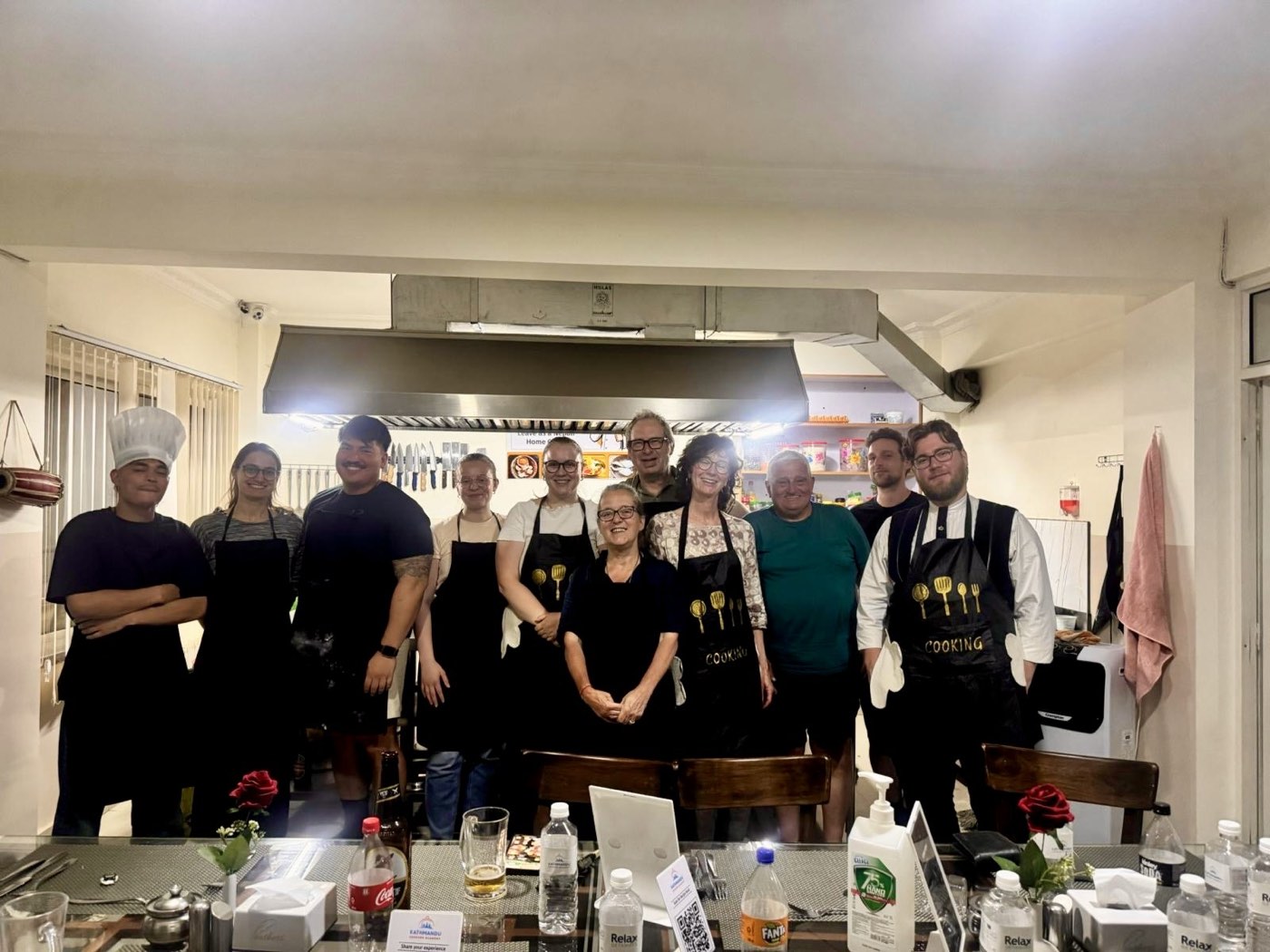
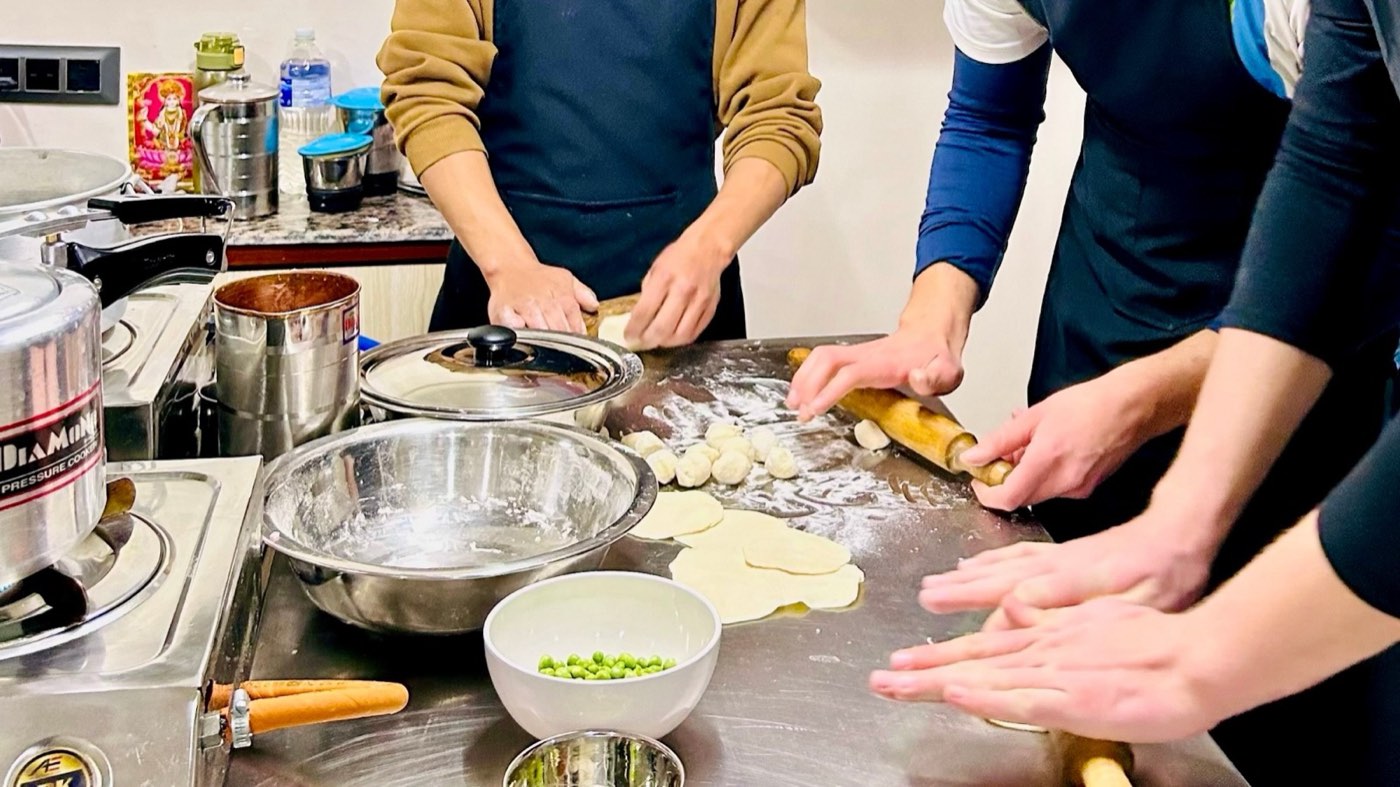
In our Full Nepali Cooking Class, you finish with a dessert or side of your choice: yomari, kheer, carrot halwa or mushroom choila. You start with masala tea, walk to a local shop for fresh ingredients, then cook a starter, a main and your dessert from scratch with a local chef, and sit down to eat together.
- Full Nepali Cooking Class: $20 per person. Daily at 9:00 AM and 4:00 PM, about 3 hours.
- Momo Making Class: $15 per person. Daily at 1:00 PM, 1½ to 2 hours.
- Private Cooking Class: from $65 for your group. Up to 6 guests, any three dishes from our menu, hotel pickup included.
Frequently asked questions
What is the most famous Nepali dessert?
Yomari and juju dhau are the most famous traditional Newari sweets; sel roti is the best-known festival treat across Nepal.
What is juju dhau?
"King curd": a thick, sweet, set yoghurt from Bhaktapur, made from buffalo milk and served in clay pots.
Are Nepali desserts very sweet?
Sweet-shop sweets like lalmohan and jeri are very sweet. Home desserts like kheer, sikarni and yomari are milder.
Are there vegan Nepali desserts?
Most Nepali sweets use milk or ghee. Yomari can be made vegan with oil instead of ghee, and chaku and sesame sweets are often dairy-free. Always ask.
When is Yomari Punhi?
On the full moon of the Nepali month of Mangsir, usually in December.