 By the KCA chefs
Rice may be king in Nepal, but bread has its own proud place. From the sweet, ring-shaped sel roti made for Tihar to the dark millet and buckwheat breads of the hills and the lentil bara of the Newars, Nepal has a "roti" for every region, season and festival.
In Nepali, roti simply means bread, usually flatbread. This guide covers the main types of roti in Nepal, what they're made from, when people eat them, and how to make sel roti and chapati at home.
Nepali roti at a glance
- Everyday bread: chapati, a thin wheat flatbread, especially in the Terai.
- Festival favourite: sel roti, a crisp, sweet rice-flour ring made for Tihar and Dashain.
- Mountain breads: buckwheat (phapar), millet (kodo) and corn (makai) roti.
- Newari classics: bara (lentil patty) and chatamari (rice crepe).
- Trekking treat: fluffy, fried Gurung or "Tibetan" bread with honey.
1. Sel roti
Sel roti is Nepal's most famous bread. A batter of ground rice, sugar, ghee and sometimes mashed banana is poured by hand into hot oil in a big ring, then fried until golden. It's crisp outside, soft and slightly chewy inside, and gently sweet.
Every family makes stacks of sel roti for Tihar, the festival of lights, and it's shared with relatives and neighbours. It also appears at Dashain, weddings and other celebrations, and you can buy it fresh at tea shops in the morning, often eaten with milk tea, aloo tarkari or yoghurt.
2. Chapati (roti)
The everyday flatbread of the Terai and many Nepali homes. Whole-wheat dough is rolled thin and cooked on a hot flat pan (tawa), sometimes puffed over the flame. It's eaten with dal, vegetable curry and achar, often in place of rice in the evening.
3. Buckwheat roti (phapar ko roti)
Buckwheat grows high in the hills where rice doesn't, so phapar ko roti is a mountain staple, especially among Thakali and Himalayan communities in Mustang and along the trekking routes. It's dark, earthy and naturally gluten-free, and it's eaten with honey, butter, chutney or curry.
4. Millet roti (kodo ko roti)
Made from finger millet (kodo), this dark, dense bread is a classic of the middle hills. Farmers eat it for energy with ghee, gundruk (fermented greens) or a spicy tomato pickle. Millet is enjoying a comeback as a healthy grain, and kodo roti now appears in Kathmandu restaurants that serve village food.
5. Corn roti (makai ko roti)
A thick, rustic roti made from maize flour, common in hill villages where corn is a main crop. It's slightly sweet and crumbly and is often eaten with saag (greens) and yoghurt.
6. Bara
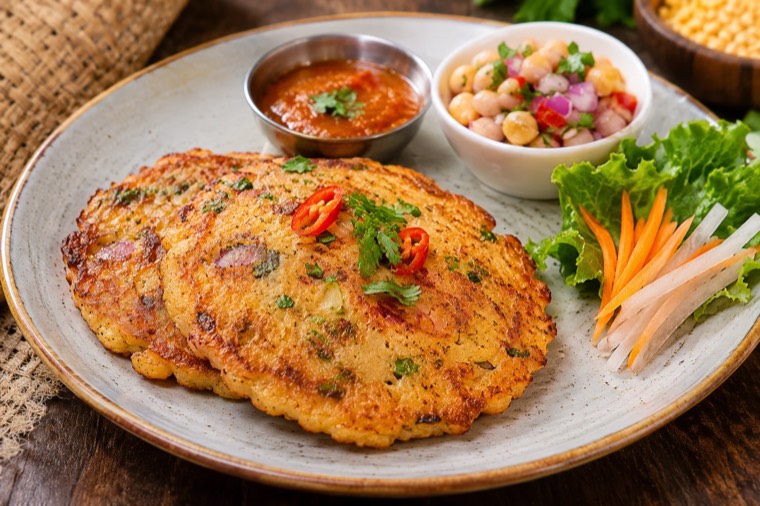
Bara (also called wo or woh in Newari) is a savoury patty of ground black lentils, fried on a flat pan until crisp at the edges. Plain bara is soft and lightly spiced; you can also have it topped with an egg or minced meat. It's an essential part of Newari feasts and festivals, and it's one of the starters you can cook in our classes.
7. Chatamari
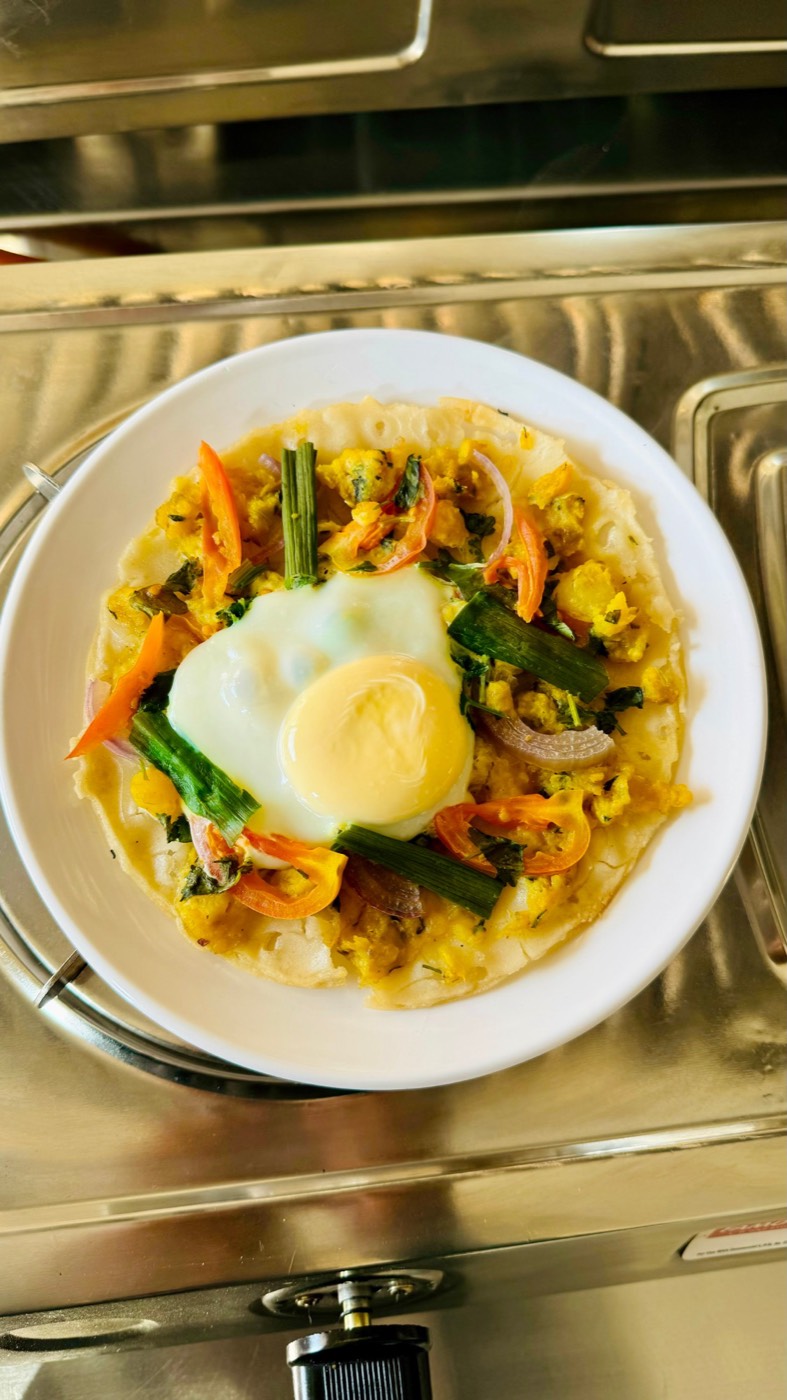
A thin, crisp rice-flour crepe from the Newar community of the Kathmandu Valley, often called "Newari pizza". It's cooked in a pan and topped with egg, minced meat, onion, tomato and coriander. Light, crunchy and perfect with a cold drink or a cup of tea.
8. Puri
Small rounds of wheat dough deep-fried until they puff up like balloons. Puri is made for festivals, pujas and special breakfasts, and it's usually eaten with aloo tarkari (potato curry) or chickpea curry.
9. Paratha
A thicker, layered wheat flatbread cooked with ghee or oil. Aloo paratha, stuffed with spiced potato, is a popular breakfast in Kathmandu cafés and Terai homes, served with yoghurt and pickle.
10. Malpuwa
A sweet, fried pancake made from flour, milk, sugar and often banana and fennel seeds. Malpuwa is especially loved in the Terai and is made for festivals and family celebrations.
11. Gurung bread or "Tibetan bread"
If you trek in the Annapurna region you'll meet it at breakfast: a round of soft, slightly sweet dough, deep-fried until puffy and golden, served with honey, jam or an egg. Trekkers love it after a cold night in a lodge.
How to make sel roti at home
Makes about 12. Start the night before.
- 2 cups (about 400 g) white rice
- ½ cup sugar
- 3 tablespoons ghee or butter
- 1 ripe banana, mashed (optional, for softness)
- ½ teaspoon ground cardamom
- About ½ cup water or milk
- Oil for deep-frying
- Soak the rice in water overnight, then drain it well.
- Grind the rice in a blender with the sugar, ghee, banana and cardamom, adding water a little at a time, into a smooth, thick batter, like thick pancake batter.
- Rest the batter for about an hour.
- Heat the oil in a deep pan to medium-hot. Test with a drop of batter: it should rise and sizzle gently.
- Pour a ring: take batter in your fist, or use a squeeze bottle, and pour a thin circle into the oil, joining the ends.
- Fry for 1 to 2 minutes, turn it with a stick or chopstick, and fry until golden on both sides. Drain on paper.
Tip: if the batter spreads too much, it's too thin; add a spoon of rice flour. If the rings break, add a little more water. Nepali cooks say the first one is always for practice.
Quick chapati
- Mix 2 cups whole-wheat flour with a pinch of salt and about ¾ cup warm water into a soft dough. Knead for 5 minutes and rest for 15 minutes.
- Divide into 8 balls and roll each one thin, dusting with flour.
- Cook on a hot dry pan for about 30 seconds, flip, then cook until brown spots appear. Press the edges gently so it puffs.
- Brush with ghee and keep warm in a cloth.
When Nepalis eat roti
- Tihar: sel roti in huge stacks, shared with family, guests and neighbours.
- Breakfast: sel roti with tea, puri tarkari or aloo paratha.
- Daily meals: chapati with dal and curry, especially in the Terai.
- In the hills and mountains: millet, buckwheat and corn roti where rice is hard to grow.
- Newari feasts and festivals: bara and chatamari, often with a glass of local drink.
Gluten-free roti
Several Nepali breads are naturally free of wheat: sel roti and chatamari (rice), bara (lentils), and phapar ko roti (buckwheat). Millet and corn roti are wheat-free too when made from pure flour. Always ask, as some cooks mix in wheat flour.
Make bara and chatamari with us
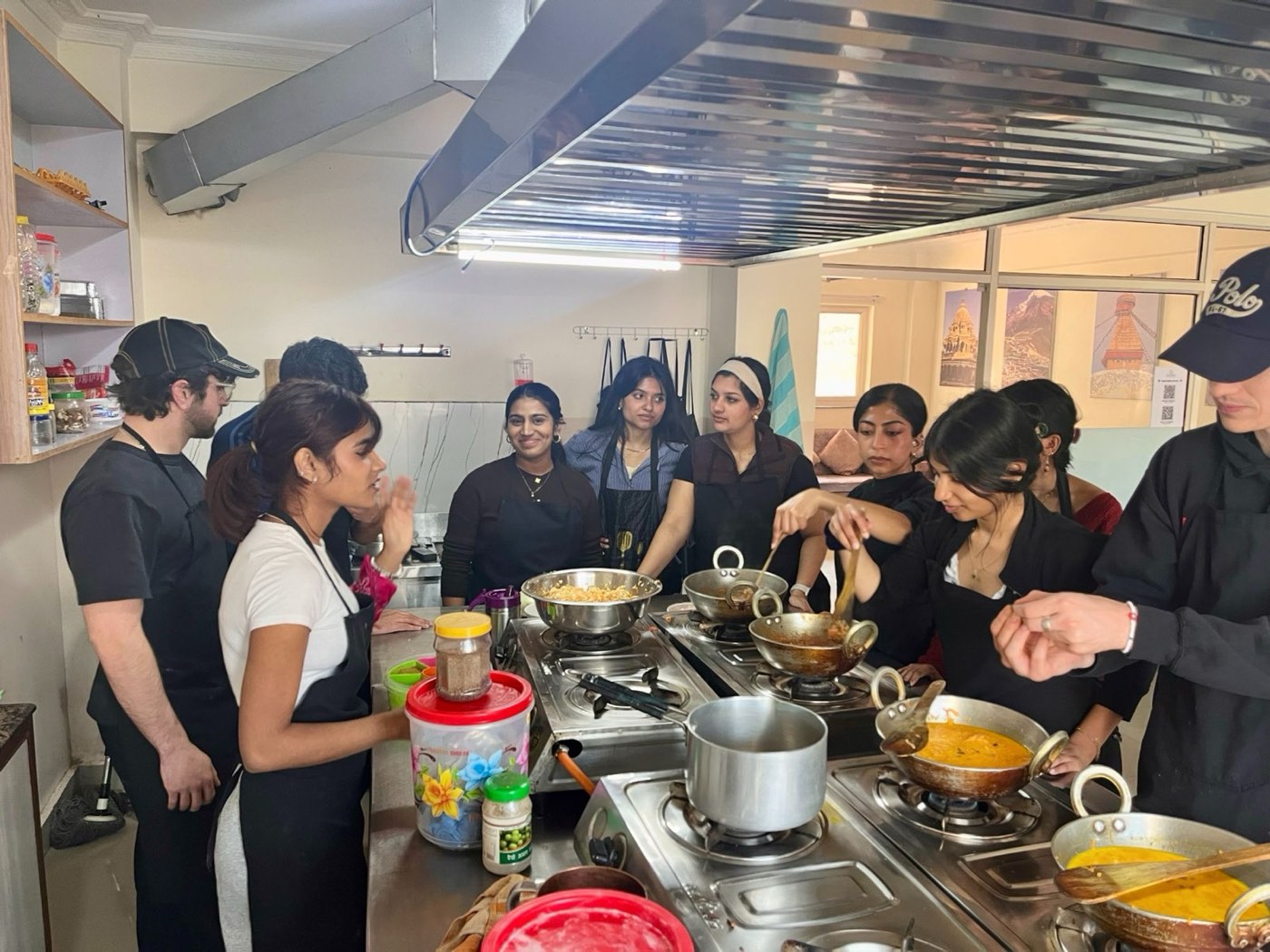
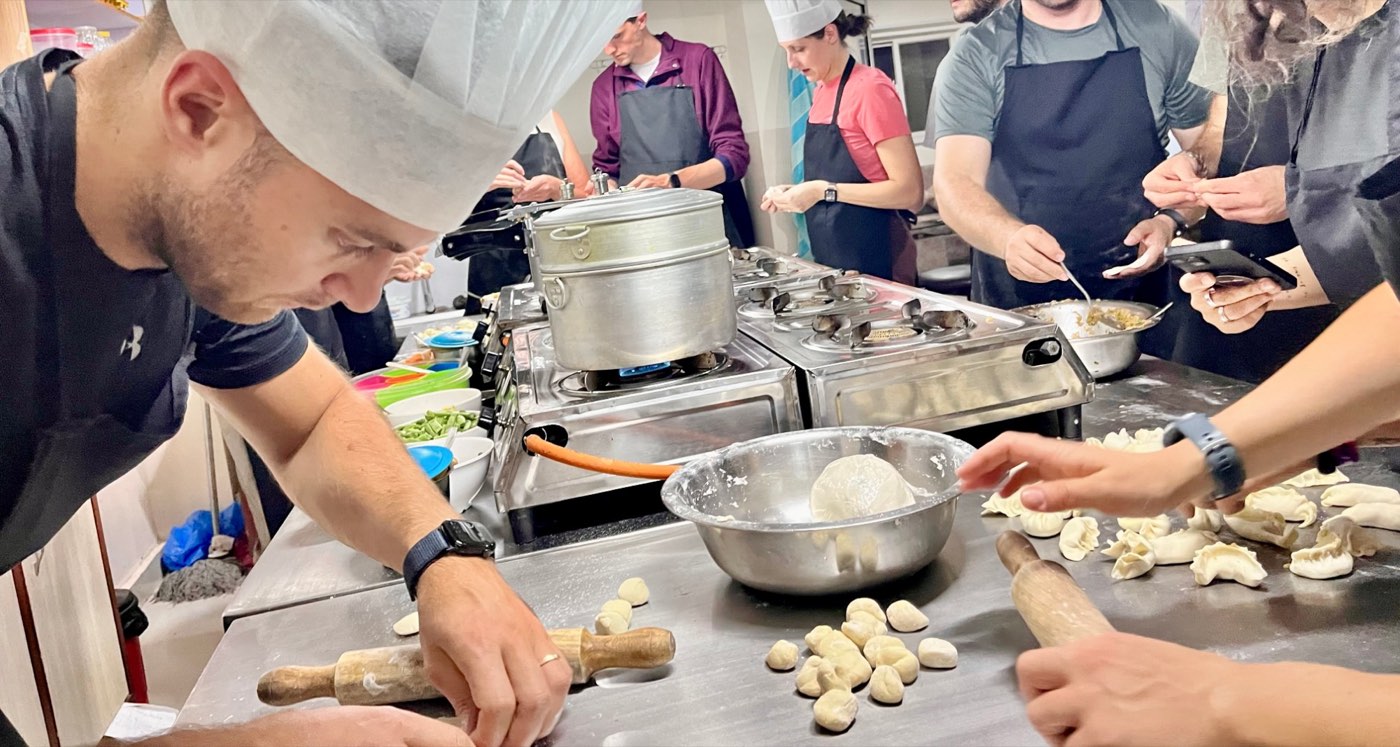
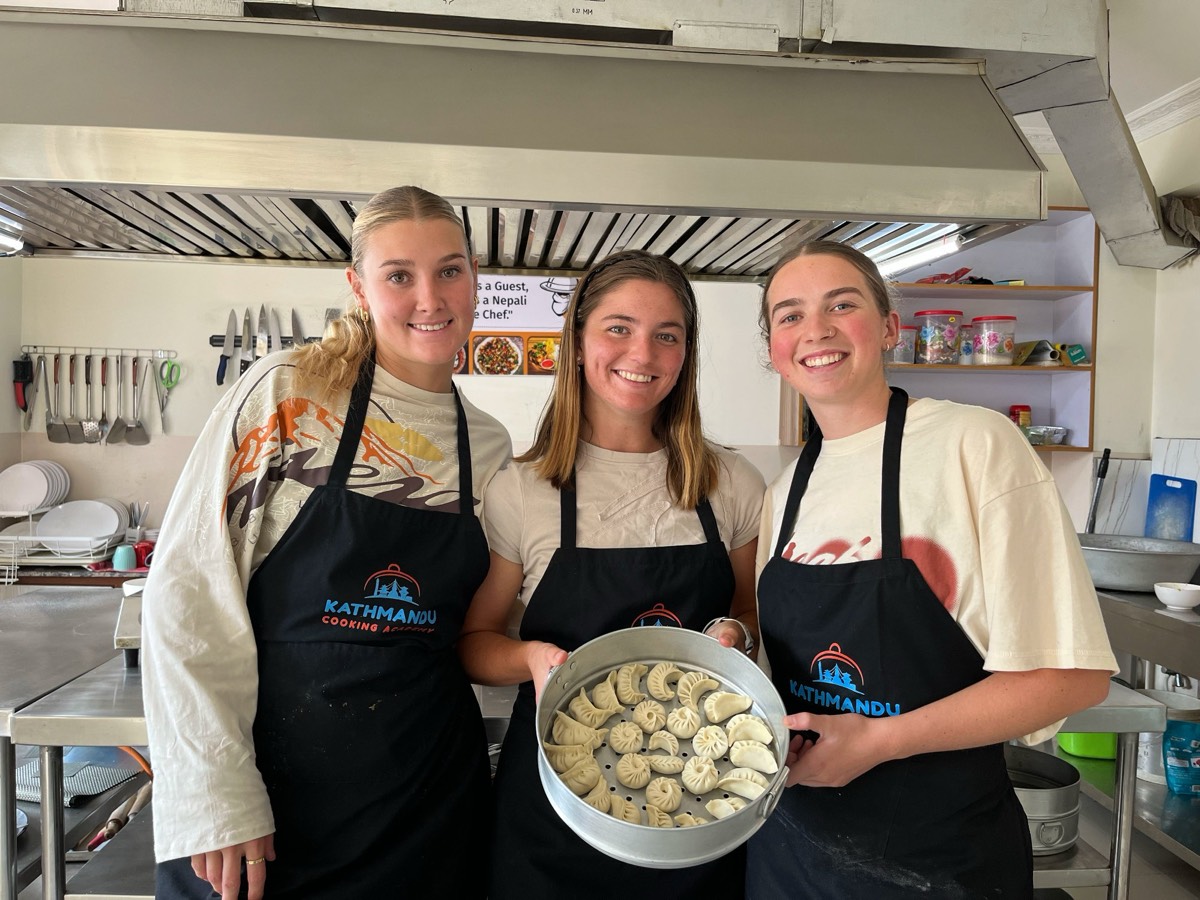
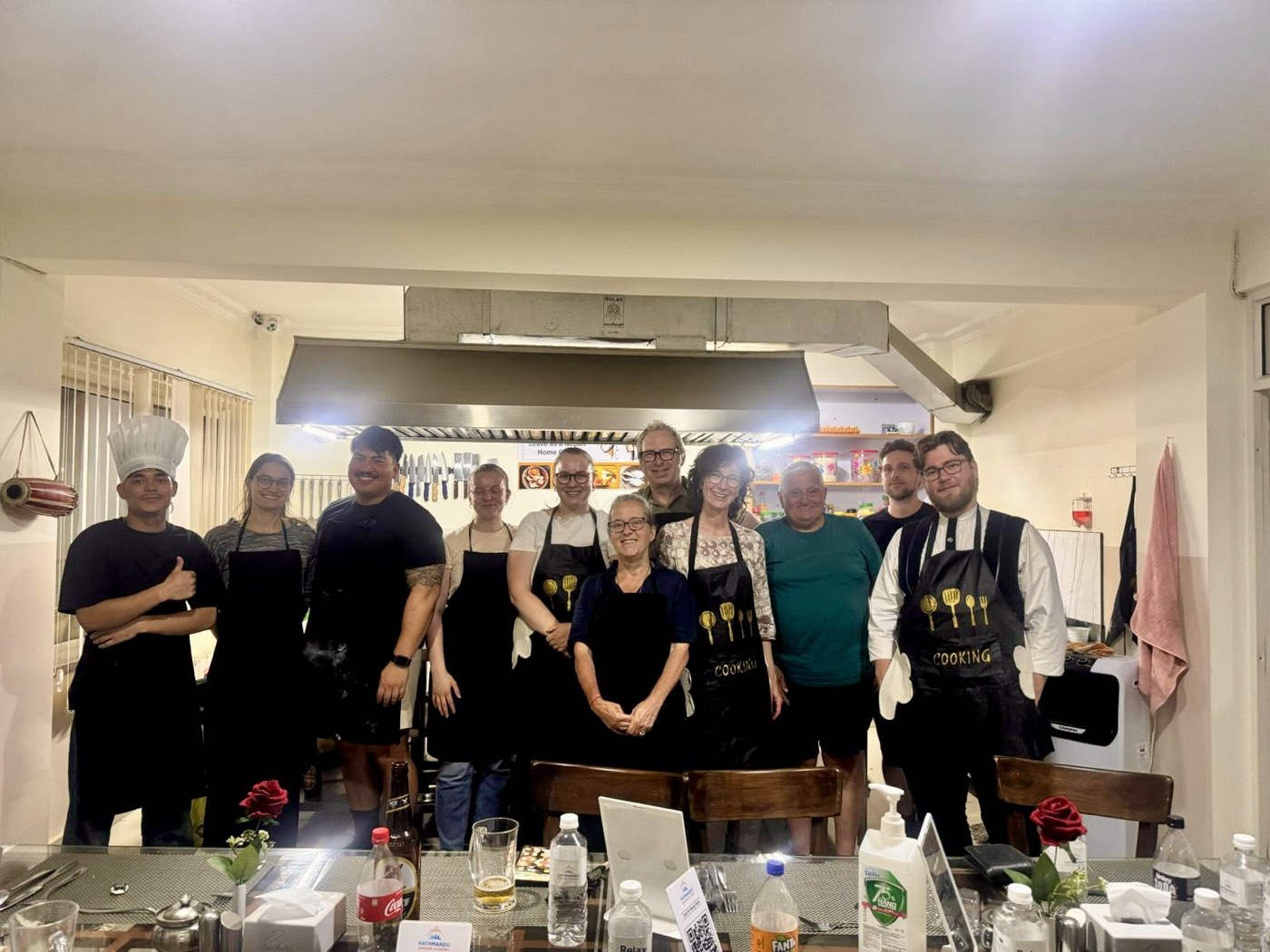
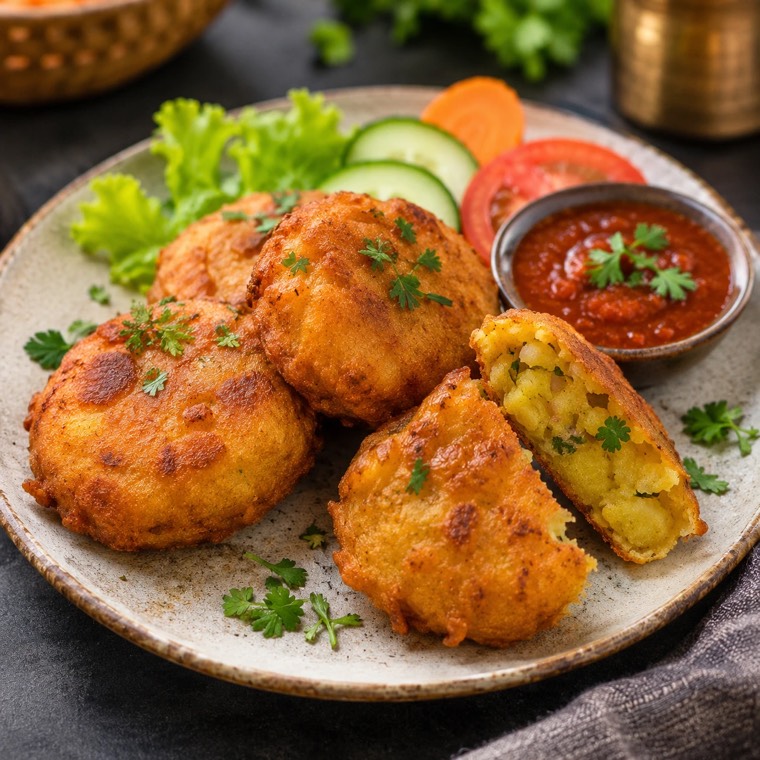
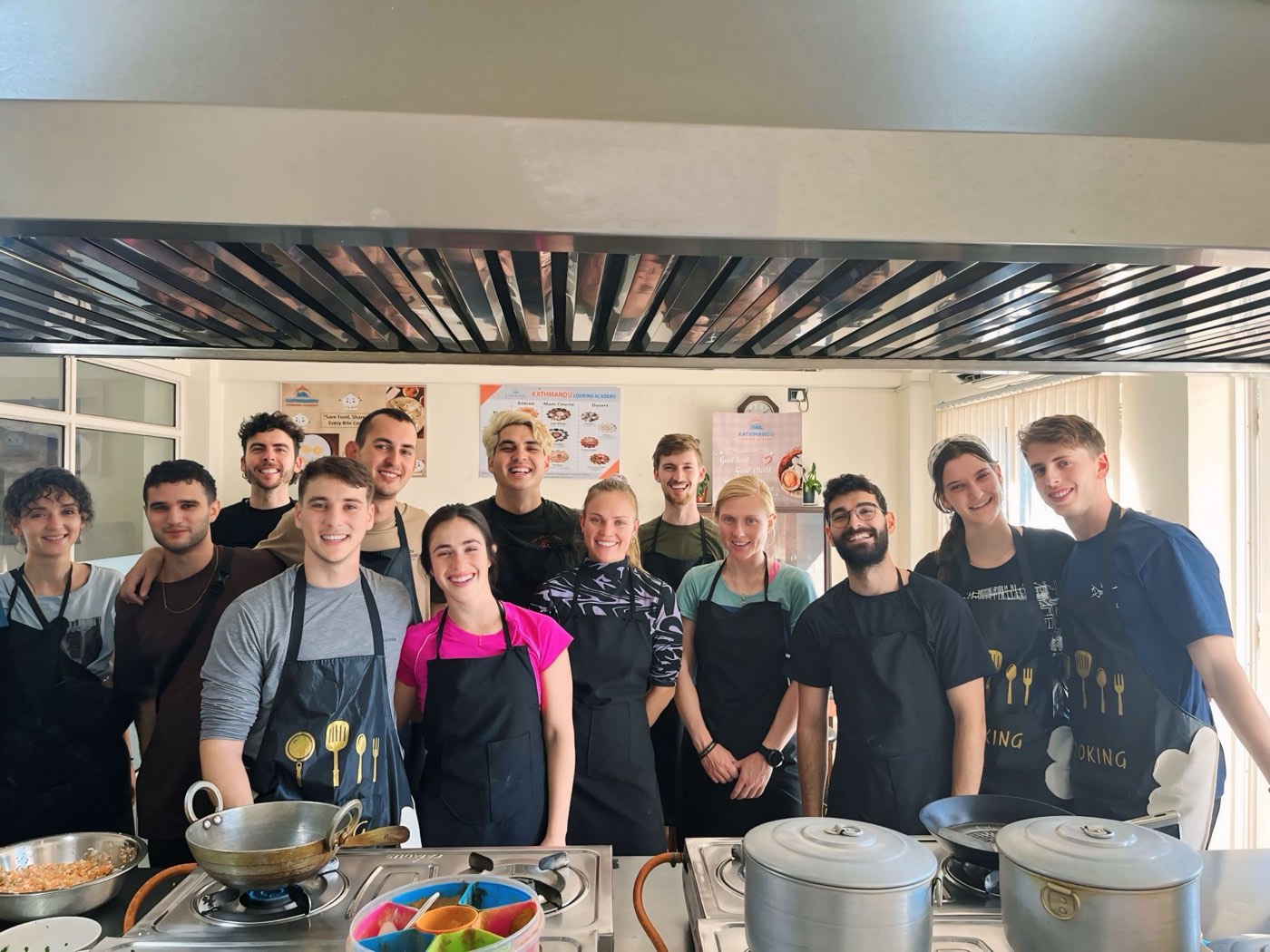
In our Full Nepali Cooking Class, your starter is bara, chatamari or aloo chop. You start with masala tea, walk to a local shop for fresh ingredients, and then cook a starter, a main and a dessert or side from scratch with a local chef, before sitting down to eat together.
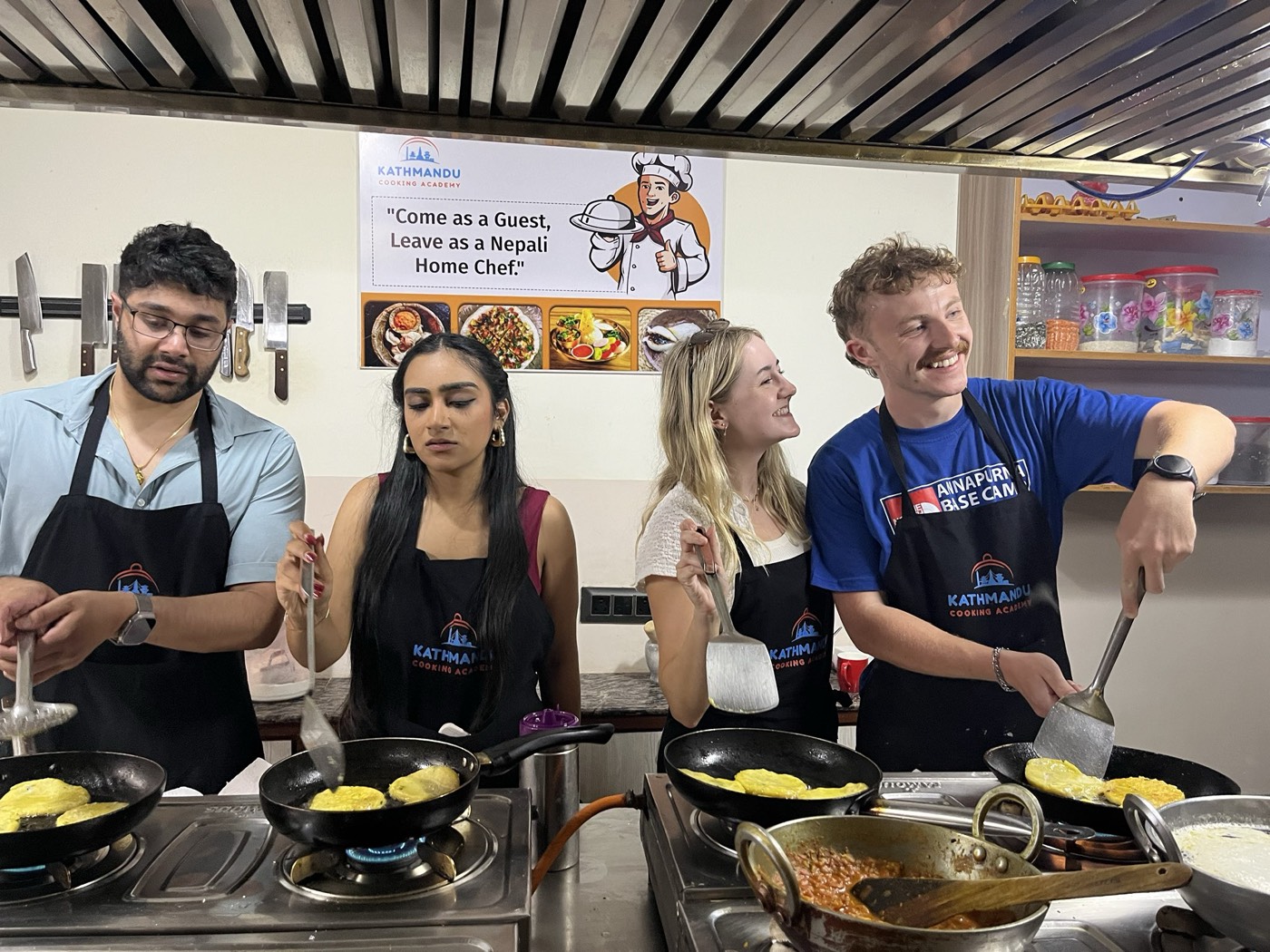
- Full Nepali Cooking Class: $20 per person. Daily at 9:00 AM and 4:00 PM, about 3 hours. Starter choices: bara, chatamari or aloo chop.
- Momo Making Class: $15 per person. Daily at 1:00 PM, 1½ to 2 hours.
- Private Cooking Class: from $65 for your group. Up to 6 guests, any three dishes from our menu, hotel pickup included.
Frequently asked questions
What is the most famous roti in Nepal?
Sel roti, the sweet rice-flour ring fried for Tihar and other celebrations.
What does "roti" mean in Nepali?
Roti means bread, usually flatbread. People add the grain to say which one: makai ko roti (corn), kodo ko roti (millet), phapar ko roti (buckwheat).
Is sel roti gluten-free?
Traditional sel roti is made from rice, so it's naturally gluten-free. Some cooks add wheat flour, so ask if you're coeliac.
What is the difference between bara and chatamari?
Bara is a thick patty of ground black lentils; chatamari is a thin crepe of rice flour. Both are Newari, and both are often topped with egg or meat.
Where can I try sel roti in Kathmandu?
Many local tea shops fry it fresh in the morning, and it's everywhere during Tihar. Ask for it with a glass of milk tea.