


Nepali vegetarian cooking offers incredible flavors that will transform how you think about plant-based meals. This guide is perfect for vegetarians, vegans, and anyone curious about exploring Nepal's rich culinary traditions without meat.
You'll discover the essential spices and ingredients that give Nepali dishes their distinctive taste - from aromatic cumin and coriander to unique items like gundruk (fermented leafy greens) and sel roti flour. We'll also walk you through simple cooking techniques that anyone can master, including the art of tempering spices and creating perfect dal consistency.
Get ready to try beginner-friendly recipes like dal bhat, vegetable momos, and aloo tama that showcase Nepal's incredible vegetarian heritage. Each dish brings together bold flavors, wholesome ingredients, and cooking methods passed down through generations.
Essential Ingredients That Make Nepali Vegetarian
Cuisine Special
Aromatic Spices You'll Use Daily in Your Kitchen
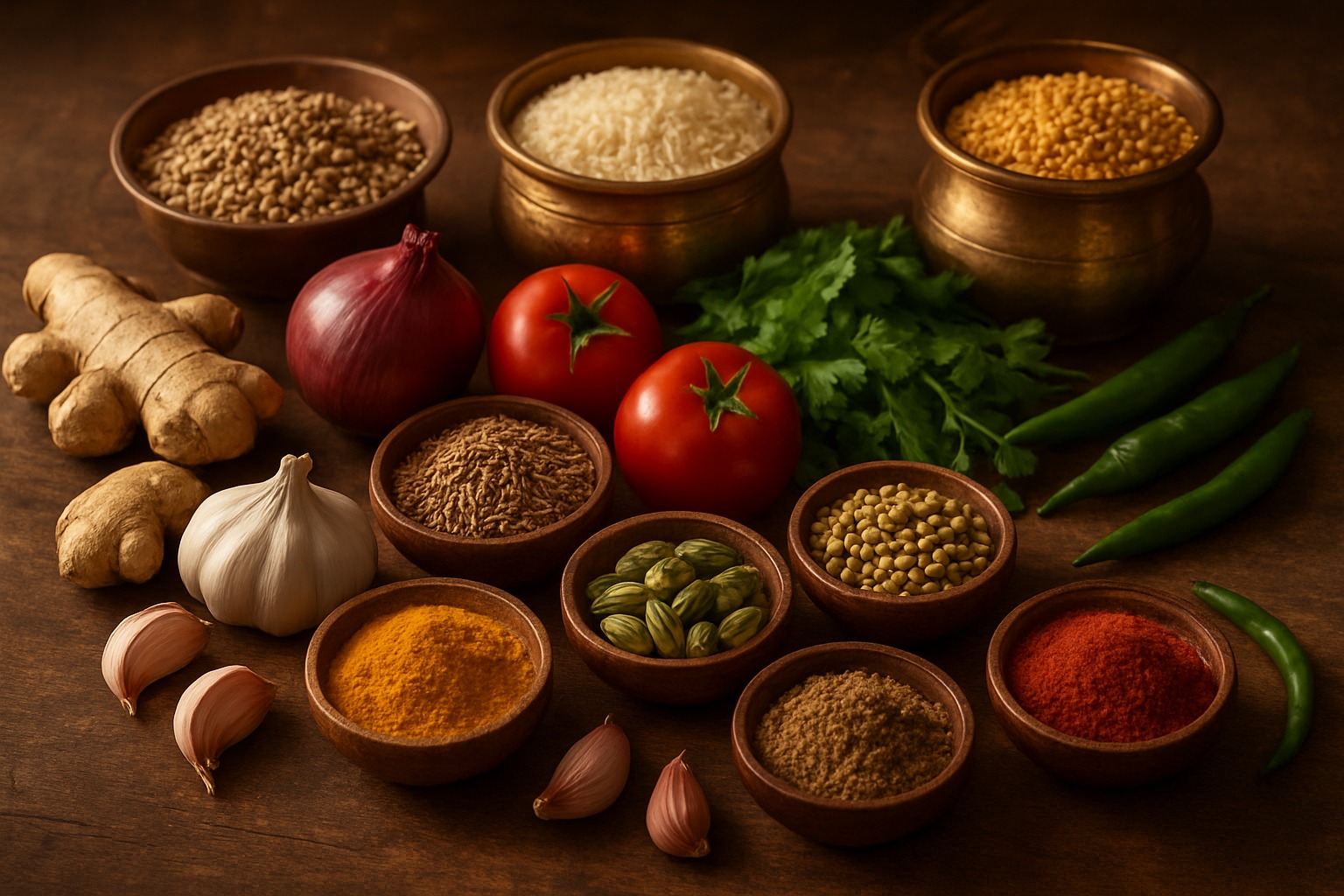
Nepali cuisine revolves around a beautiful symphony of spices that create layers of warmth and complexity in every dish. Cumin (jeera) forms the backbone of most Nepali cooking, whether you're toasting whole seeds for tempering or using ground cumin in curry bases. Coriander seeds (dhania) bring a citrusy, slightly sweet note that balances bolder flavors perfectly.
Turmeric (haldi) gives that gorgeous golden color while adding earthy depth and health benefits. You'll reach for fenugreek seeds (methi) constantly – their slightly bitter, nutty flavor is essential in vegetable curries and pickles. Mustard seeds (sarso) create that distinctive pop and pungency when heated in oil.
The warming spices make all the difference: cinnamon (dalchini), cardamom (elaichi), and cloves (long) appear in both sweet and savory dishes. Asafoetida (hing) might smell strong in the container, but just a pinch transforms dals and vegetables with its unique umami depth.
Timur (Szechuan peppercorns) is Nepal's secret weapon – these tiny berries create a tingling sensation on your tongue and add incredible fragrance to dishes. Red chilies (khursani) vary from mild to fiery hot, and you'll learn to adjust heat levels based on your preference.
Fresh Herbs That Transform Simple Dishes
Fresh herbs elevate Nepali vegetarian cooking from good to absolutely incredible. Cilantro (dhania ko paat) isn't just a garnish – it's an essential ingredient that adds brightness to curries, chutneys, and salads. You'll use both the leaves and tender stems.
Mint (pudina) appears in refreshing chutneys and cooling raitas that balance spicy main dishes. Green onions (hariyo pyaj) provide mild onion flavor and beautiful color contrast when sprinkled over finished dishes.
Mustard greens (sarso ko saag) and spinach (palungo) aren't just vegetables – they're flavor powerhouses when cooked with garlic, ginger, and spices. Fenugreek leaves (methi ko saag) have an almost maple-like aroma that makes simple potato dishes taste restaurant-quality.
Garlic (lasun) and ginger (aduwa) form the aromatic base for nearly every Nepali dish. You'll make fresh ginger-garlic paste regularly, and the difference between fresh and store-bought is night and day.
Protein-Rich Legumes and Grains Native to Nepal
Nepal's high-altitude environment produces some incredibly nutritious legumes and grains that form the protein foundation of vegetarian meals. Black lentils (kalo dal) create rich, creamy curries that satisfy like nothing else. When slow-cooked with spices, they develop an almost meaty texture.
Split yellow lentils (moong dal) cook quickly and absorb flavors beautifully. They're perfect for everyday meals and blend well with vegetables. Chickpeas (chana) appear in hearty curries and can be ground into flour for crispy pakoras and flatbreads.
Red kidney beans (rajma) make substantial, warming curries that keep you full for hours. Black-eyed peas (bodi) have a slightly nutty flavor and hold their shape well in spiced preparations.
For grains, beaten rice (chiura) is a Nepali staple that's incredibly versatile – eat it as breakfast with milk and sugar or as savory snacks with spices and vegetables. Buckwheat (fapar) thrives in Nepal's mountains and makes hearty pancakes and porridge.
Barley (jau) appears in traditional preparations and adds wonderful chewiness to soups and stews. These ancient grains pack serious nutrition and have sustained mountain communities for generations.
Unique Vegetables That Add Authentic Flavors
Nepali cooking features vegetables that might surprise you with their incredible flavors and textures. Gundruk is fermented leafy greens that add tangy, umami-rich depth to soups and curries. This preserved vegetable keeps well and provides nutrition during harsh winters.
Bamboo shoots (tama) have a distinctive taste and crunchy texture that's absolutely addictive once you try them. They appear in traditional pickles and curries that showcase their unique character.
Bitter gourd (karela) might seem challenging, but proper preparation removes excess bitterness while maintaining its beneficial properties. Nepali cooks stuff it with spices or slice it thin for crispy preparations.
Ridge gourd (parwal) and bottle gourd (lauka) are mild vegetables that soak up spices beautifully. They're staples in everyday cooking and incredibly versatile.
Radish leaves (mula ko saag) often get discarded, but they're nutritional goldmines with peppery flavors that shine in simple preparations with garlic and chilies. Mustard oil deserves special mention – its pungent flavor mellows with cooking and adds authentic taste that other oils can't replicate.
These vegetables might take some getting used to, but they'll expand your palate and connect you to centuries of mountain cooking wisdom.
Simple Cooking Techniques Every Vegetarian Should Master
Traditional Tempering Methods for Maximum Flavor
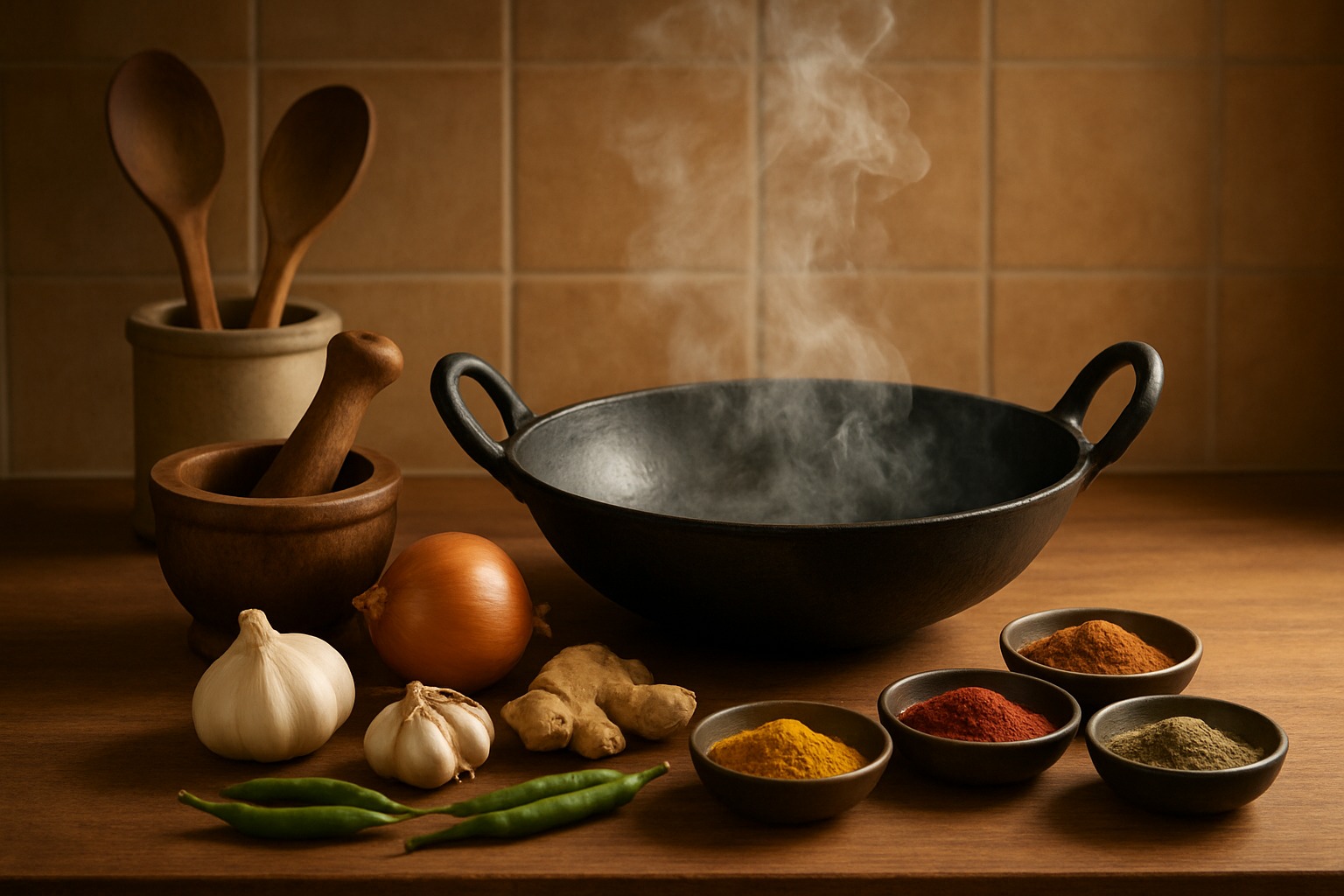
Tempering, known as "chhounk" in Nepali cooking, transforms ordinary vegetables into aromatic masterpieces. Start by heating mustard oil or ghee in a heavy-bottomed pan until it shimmers. The key lies in adding spices in the right sequence - whole cumin seeds go first, followed by fennel seeds and dried red chilies. Listen for the gentle sizzling that signals perfect temperature.
Asafoetida (hing) comes next, but only for a split second before adding turmeric powder. The golden rule: never let turmeric burn, as it becomes bitter instantly. Fresh ginger-garlic paste follows, cooking until the raw smell disappears completely. This foundation, called "masala," becomes the flavor base for countless Nepali dishes.
For vegetables like cauliflower or potatoes, add them directly to this tempering. The high heat creates a slight char that adds depth without compromising the vegetarian essence. Curry leaves, when available, release an intoxicating aroma that elevates even simple preparations.
Perfect Rice and Lentil Preparation Secrets
Rice forms the cornerstone of every Nepali meal, and the technique differs significantly from basic boiling methods. Basmati rice requires gentle washing until water runs clear, then soaking for exactly 30 minutes. The water-to-rice ratio stays at 1.5:1, but here's the secret: add a bay leaf and green cardamom pod to the cooking water.
Bring everything to a rolling boil, then reduce heat to the lowest setting and cover tightly. After 18 minutes, turn off heat but leave the pot undisturbed for another 10 minutes. This resting period allows the rice to finish cooking in its own steam, creating perfectly separate, fluffy grains.
Lentil preparation demands equal attention to detail. Dal requires thorough washing and overnight soaking for larger varieties like rajma (kidney beans) or chana (chickpeas). Smaller lentils like masoor or moong cook faster but benefit from light toasting before boiling. This dry-roasting step intensifies their nutty flavor and improves digestibility.
The cooking liquid should always include a pinch of turmeric and salt. Start with double the water amount, as lentils absorb liquid differently based on age and variety. Fresh lentils cook faster than older ones, so taste-testing becomes crucial for perfect texture.
Fermentation Techniques for Digestive Benefits
Nepali cuisine embraces fermentation as both a preservation method and a digestive aid. Gundruk, the beloved fermented leafy green, starts with fresh mustard, radish, or cauliflower leaves. Bundle clean leaves tightly and store in airtight containers for 4-5 days at room temperature. The natural bacteria create a tangy, slightly sour flavor that aids digestion and provides probiotics.
Dhido preparation involves fermenting buckwheat or millet flour with warm water for 12-24 hours. This process breaks down complex proteins and makes nutrients more bioavailable. The slightly fermented batter creates a smoother texture when cooked and reduces the earthy bitterness common in these ancient grains.
Fermented black lentil paste, used in traditional recipes, requires soaking whole urad dal overnight, then grinding with minimal water to create a thick paste. Leave this mixture at room temperature for 8-12 hours until it develops a slightly tangy aroma and increases in volume. The fermentation process creates beneficial enzymes that make proteins easier to digest.
Yogurt-based fermentation extends to vegetables like radish and cucumber. Salt-cured vegetables mixed with yogurt culture develop complex flavors over 2-3 days. These fermented sides, called "achar," provide beneficial bacteria that support gut health while adding bright, acidic notes that balance rich, oily dishes perfectly.
Must-Try Nepali Vegetarian Dishes for Beginners
Dal Bhat - The Comfort Food You'll Crave
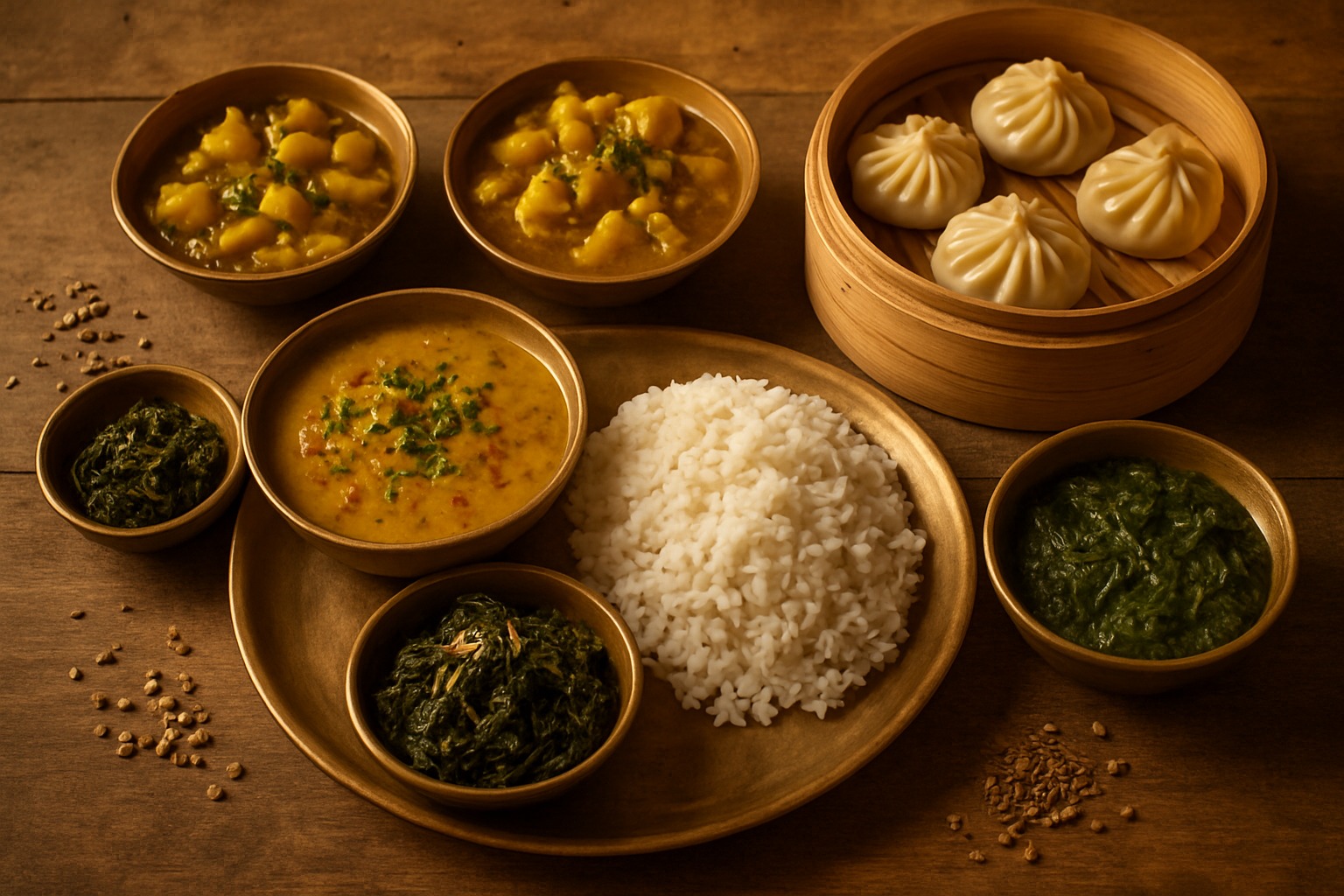
Dal bhat stands as Nepal's national dish and the perfect starting point for your vegetarian cooking journey. This simple yet satisfying combination of lentil soup (dal) and steamed rice (bhat) forms the backbone of every Nepali meal. The beauty lies in its versatility - you can prepare it with any lentil variety, from split yellow lentils (moong dal) to red lentils (masoor dal).
Start with basic dal by tempering cumin seeds, turmeric, and garlic in oil before adding your cooked lentils. Season with salt and fresh cilantro for an authentic flavor. The rice should be fluffy and separate, achieved by washing it thoroughly before cooking. Traditionally served with pickled vegetables (achar) and seasonal curries, dal bhat provides complete nutrition and keeps you full for hours.
What makes this dish so appealing is its adaptability to your taste preferences and available ingredients. You can make it spicy with green chilies or mild for sensitive palates. Add vegetables like spinach, tomatoes, or onions to boost nutrition and flavor.
Gundruk - Fermented Leafy Greens That Boost Nutrition
Gundruk represents Nepal's most beloved fermented food, created from mustard, radish, or cauliflower leaves. This tangy, umami-rich ingredient adds incredible depth to soups and curries while delivering probiotics and essential vitamins. The fermentation process develops complex flavors that can't be replicated with fresh vegetables.
You can buy dried gundruk from Nepali grocery stores or make your own by fermenting fresh leafy greens for several days. When cooking with gundruk, soak the dried leaves in warm water for 20-30 minutes until they soften. The traditional gundruk soup combines these fermented greens with tomatoes, onions, and a touch of oil for tempering.
The soup has a distinctive sour taste that pairs beautifully with dal bhat, cutting through rich flavors and aiding digestion. Many Nepalis consider gundruk essential for good health, crediting it with boosting immunity and improving gut health. Start with small amounts if you're new to fermented foods - the intense flavor grows on you quickly.
Sel Roti - Sweet Treats for Special Occasions
Sel roti brings joy to every Nepali celebration, from festivals to family gatherings. These ring-shaped, sweet rice donuts require patience and skill but reward you with incredibly satisfying results. Made from rice flour batter that's been fermented overnight, sel roti has a unique texture that's crispy outside and soft inside.
The traditional recipe calls for soaking rice overnight, grinding it into a smooth batter, then adding sugar, cardamom, and sometimes coconut. The batter needs the right consistency - not too thick or thin - to form perfect rings when poured into hot oil. Practice makes perfect with the pouring technique, as creating even rings takes time to master.
Fresh sel roti tastes best when eaten warm, with a cup of milk tea or black tea. The subtle sweetness and aromatic spices make it irresistible during cold mornings or evening snacks. While typically prepared for special occasions, many families now make smaller batches for weekend treats.
Aloo Tama - Tangy Potato and Bamboo Shoot Curry
Aloo tama showcases Nepal's love for tangy, warming curries perfect for cold mountain weather. This potato and bamboo shoot curry combines earthy potatoes with tender bamboo shoots in a flavorful black-eyed pea broth. The bamboo shoots provide a unique texture and subtle flavor that's both refreshing and satisfying.
Dried bamboo shoots (tama) need overnight soaking before cooking, while black-eyed peas require several hours of soaking or pressure cooking until tender. The curry builds layers of flavor through careful tempering with cumin, coriander, turmeric, and ginger-garlic paste. Tomatoes add acidity that balances the earthiness of potatoes and bamboo shoots.
The finished curry has a comforting, home-style quality that makes it perfect for rainy days or when you want something warming and nutritious. The combination might sound unusual, but the flavors work together beautifully, creating a dish that's both exotic and familiar. Serve it with rice and enjoy how the tangy broth enhances every bite.
Health Benefits That Make Nepali Vegetarian Food Irresistible
Natural Detox Properties from Traditional Ingredients
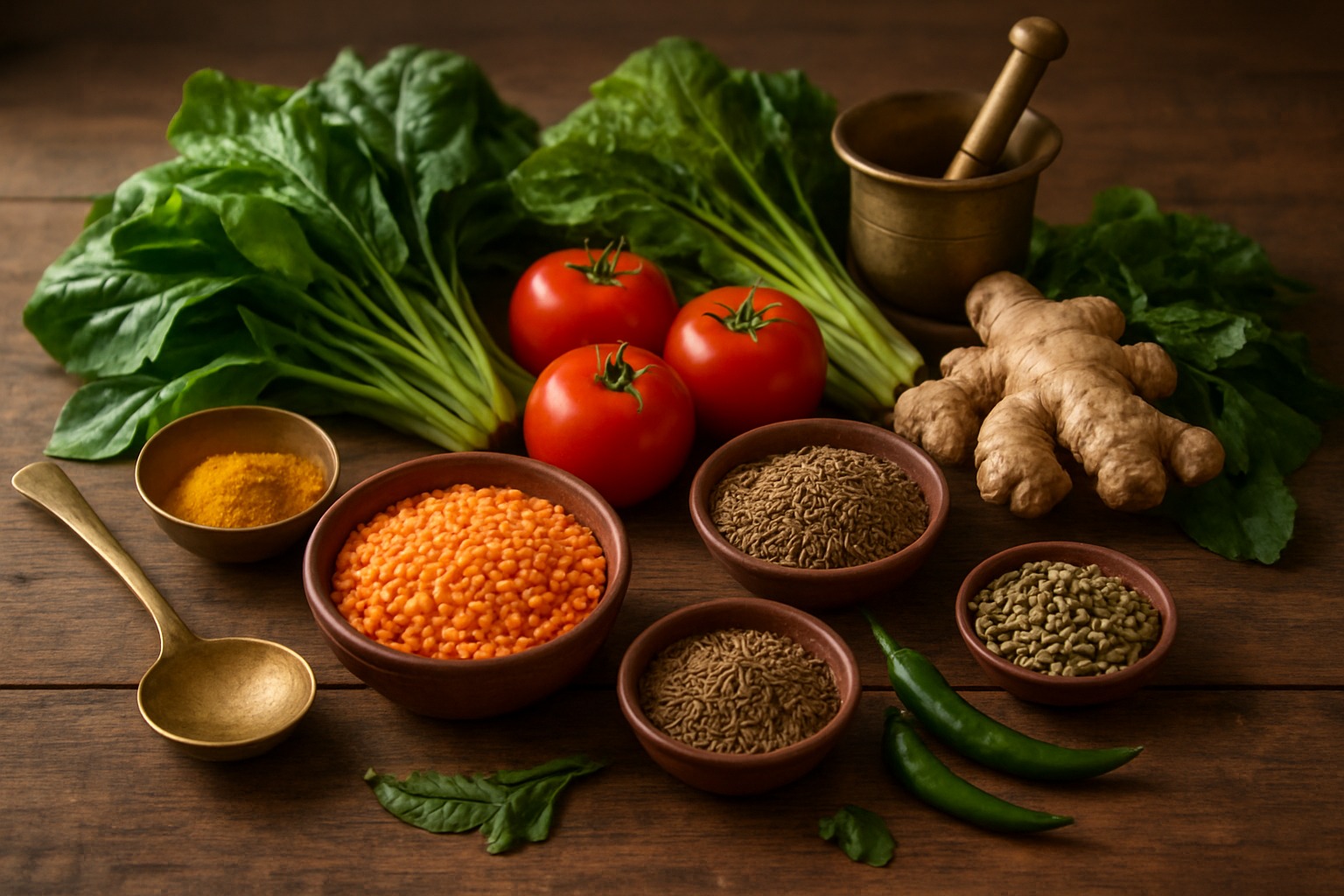
Nepali vegetarian cuisine acts as a gentle cleanser for your body, thanks to ingredients that have been purifying systems for centuries. Turmeric, a golden staple in most Nepali dishes, contains curcumin, which supports liver function and helps eliminate toxins. When combined with black pepper (commonly used in Nepali spice blends), your body absorbs curcumin up to 2000% better.
Fresh ginger and garlic, found in nearly every savory Nepali recipe, work together to boost circulation and support lymphatic drainage. The traditional practice of starting meals with pickled radish (mula ko achar) isn't just about taste – radishes naturally stimulate bile production, helping your liver process fats more efficiently.
Mustard oil, preferred for cooking in many Nepali households, contains selenium and omega-3 fatty acids that support cellular detox. The abundant use of leafy greens like saag and fresh herbs provides chlorophyll, nature's blood purifier, which helps oxygenate your system.
High Protein Content Without Meat Dependencies
You'll be amazed at how Nepali vegetarian cooking delivers complete protein profiles without relying on meat. Lentil-based dishes like dal bhat provide all nine essential amino acids when paired with rice, creating a perfect protein combination that rivals any animal protein.
Black lentils (kalo dal) pack 24 grams of protein per cup, while chickpeas used in popular dishes like chole deliver 15 grams. Traditional preparations often combine multiple legumes – mixing black gram with kidney beans or pairing split peas with whole lentils creates protein-rich meals that keep you satisfied for hours.
Buckwheat, used to make dhido (a traditional porridge), offers 6 grams of complete protein per cup and contains all essential amino acids. Sesame seeds, frequently used in Nepali chutneys and til ko laddu, provide high-quality protein along with healthy fats.
| Nepali Protein Source | Protein per Cup | Complete Protein |
| Black Lentils | 24g | Yes (with rice) |
| Chickpeas | 15g | Yes (with grains) |
| Buckwheat | 6g | Yes |
| Sesame Seeds | 26g | Yes |
Digestive Support Through Time-Tested Combinations
Nepali cooking wisdom shines through food combinations that actively support your digestive health. The traditional pairing of rice with lentils isn't just cultural – it creates an alkaline environment in your stomach that promotes healthy digestion and reduces acid reflux.
Cumin seeds, toasted and ground fresh for most dishes, stimulate digestive enzyme production. When combined with asafoetida (hing), commonly used in bean preparations, these spices prevent gas and bloating that often comes with high-fiber vegetarian meals.
The practice of eating pickled vegetables (achar) with main meals provides beneficial probiotics that populate your gut with healthy bacteria. Fermented bamboo shoots (tama) and pickled leafy greens offer natural enzymes that break down complex carbohydrates.
Ginger-turmeric combinations in warm milk or tea serve as digestive aids traditionally consumed after meals. The warming spices cardamom, cloves, and cinnamon found in Nepali tea blends help stimulate circulation to digestive organs, improving nutrient absorption and reducing post-meal discomfort.
Kitchen Setup and Tools for Authentic Nepali Cooking
Essential Cookware That Enhances Flavors
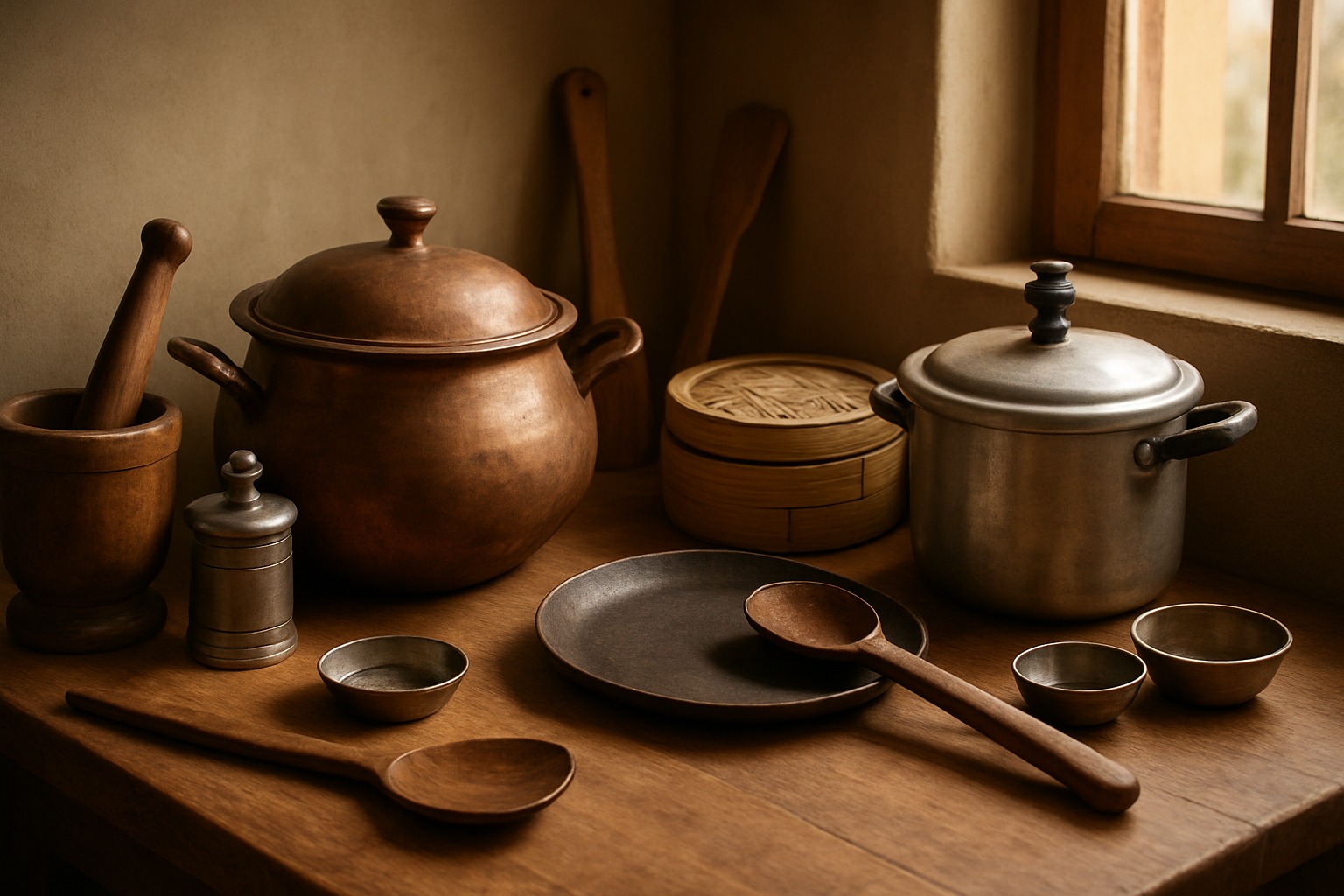
The right pots and pans can make or break your Nepali cooking experience. A heavy-bottomed stainless steel or cast iron pot works perfectly for simmering dal and preparing hearty stews like gundruk. These materials distribute heat evenly and prevent scorching, which is crucial when cooking lentils low and slow.
A pressure cooker becomes your best friend for authentic Nepali cooking. It cuts cooking time for dal from hours to minutes while maintaining that creamy texture Nepali cuisine is known for. Look for one with at least a 4-quart capacity to handle family-sized portions.
Non-stick pans work well for making roti and flatbreads, though a traditional cast iron griddle (tawa) gives superior results. The even heat distribution creates those characteristic brown spots that make homemade bread taste restaurant-quality.
A good-quality mortar and pestle is essential for crushing spices and making fresh pastes. Stone or granite versions work best, as they can handle tough spices like cardamom pods and create smoother textures than electric grinders for small quantities.
Spice Storage Solutions for Freshness
Proper spice storage makes the difference between vibrant, aromatic dishes and bland disappointments. Glass jars with airtight seals keep whole spices fresh for up to two years, while ground spices stay potent for about six months when stored correctly.
Keep spices away from direct sunlight and heat sources. A dedicated spice drawer or cabinet works better than storing them above the stove, where heat degrades their essential oils quickly.
Label everything with purchase dates. Nepali cooking relies heavily on the complex interplay of spices, so using stale cumin or old turmeric will dull your dishes significantly.
Whole spices like cumin seeds, coriander, and black mustard seeds maintain their potency longer than pre-ground versions. Buy small quantities of ground spices you use frequently, but invest in whole spices for better flavor control.
Simple Equipment Substitutions for Western Kitchens
You don't need to overhaul your entire kitchen to cook authentic Nepali food. A coffee grinder dedicated solely to spices works perfectly for small batches of fresh spice blends. Just make sure to clean it thoroughly between uses to prevent flavor mixing.
Regular heavy-bottomed saucepans substitute well for traditional Nepali cooking vessels. The key is choosing cookware that heats evenly and retains heat well.
A food processor can replace a mortar and pestle for making larger quantities of ginger-garlic paste or onion pastes. While the texture might be slightly different, the convenience factor often outweighs this minor difference.
Standard measuring spoons and cups work fine, though many traditional Nepali recipes use visual cues and taste testing rather than precise measurements. Start with standard measurements and adjust to your preference.
Ingredient Sourcing Tips for Non-Nepali Locations
Asian grocery stores often carry essential Nepali ingredients like dried red chilies, black mustard seeds, and fenugreek. Many items overlap with Indian cooking, so Indian grocery stores are excellent alternatives.
Online retailers have revolutionized access to authentic ingredients. Websites specializing in South Asian products deliver hard-to-find items like jimbu (Himalayan herb) and timur (Szechuan peppercorns) directly to your door.
Local farmers' markets sometimes carry fresh ingredients like mustard greens and radish leaves that work perfectly in traditional Nepali preparations. Build relationships with vendors who might special-order items for you.
Create substitution lists for genuinely unavailable ingredients. Spinach works in place of mustard greens for some dishes, though the flavor profile changes slightly. The goal is to capture the spirit of the dish rather than achieving perfect authenticity in every ingredient.
Nepali vegetarian cooking offers an incredible journey into a world of bold spices, wholesome ingredients, and nourishing meals that will transform your kitchen experience. From mastering the art of tempering spices to creating hearty dal bhat combinations, you'll discover that authentic Nepali cuisine celebrates vegetables in ways that make every meal satisfying and flavorful. The health benefits alone – from protein-rich lentils to antioxidant-packed spices – make this cooking style a smart choice for anyone wanting to eat well while exploring new flavors.
Ready to dive into this amazing culinary adventure? Start with a few basic spices like cumin, coriander, and turmeric, then try your hand at simple dishes like dal or aloo tama. Your taste buds will thank you, and you'll quickly find yourself craving these comforting, nutritious meals that bring the warmth of Nepali hospitality right to your dinner table.