


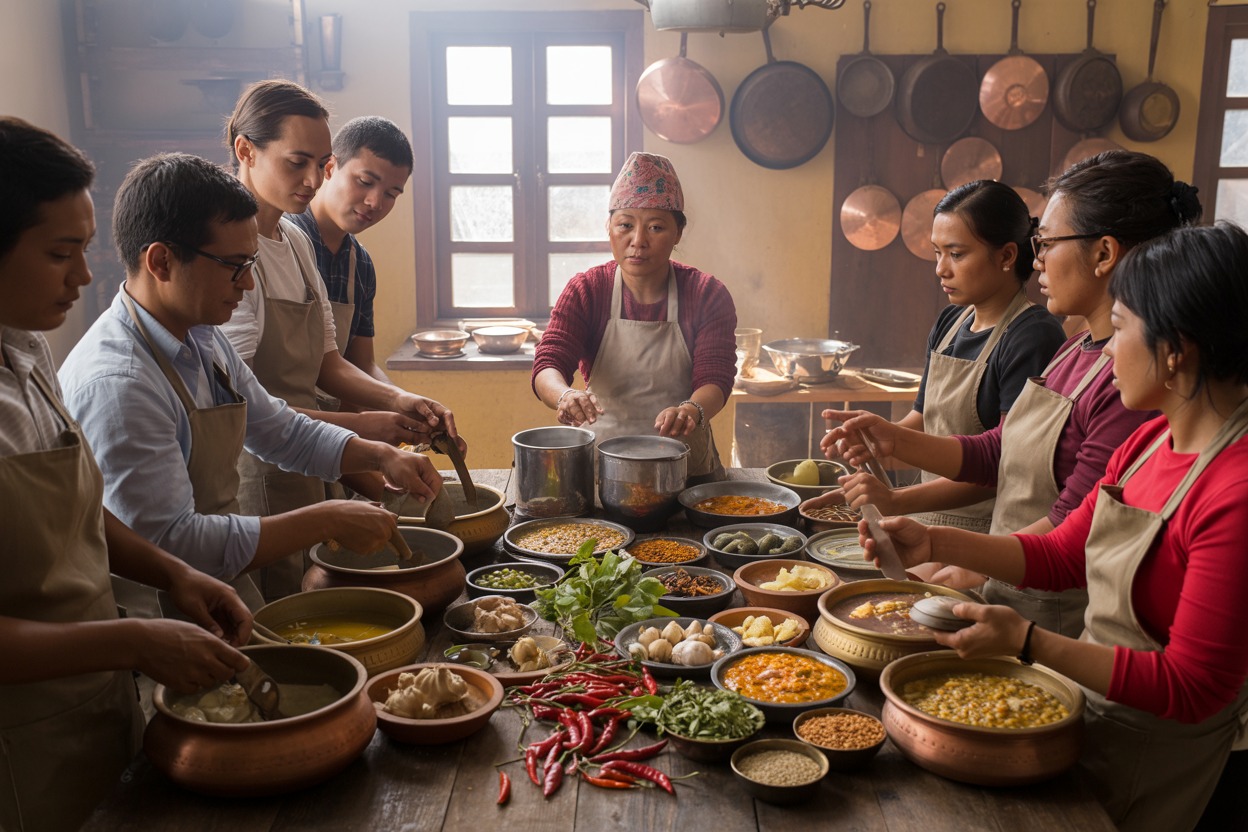
A traditional Nepali cooking class takes you beyond recipes into the heart of Himalayan food culture. These hands-on experiences are perfect for food lovers, cultural enthusiasts, and travelers who want to connect with Nepal through its authentic flavors and cooking traditions.
During your culinary journey, you'll start by exploring bustling local markets where vendors sell fresh spices, seasonal vegetables, and traditional ingredients that form the foundation of Nepali cuisine. You'll learn to identify key spices like timur (Szechuan pepper) and jimbu (Himalayan herb) while understanding how geography shapes local food choices.
The class then moves to mastering essential cooking techniques, from grinding spices on traditional stone mortars to perfecting the art of making momos (dumplings) and cooking dal bhat, Nepal's beloved rice and lentil combination. You'll also dive into Nepali dining customs and food etiquette, learning how meals bring families together and why certain combinations of dishes matter in Nepali culture.
Discover Authentic Nepali Ingredients at Local Markets
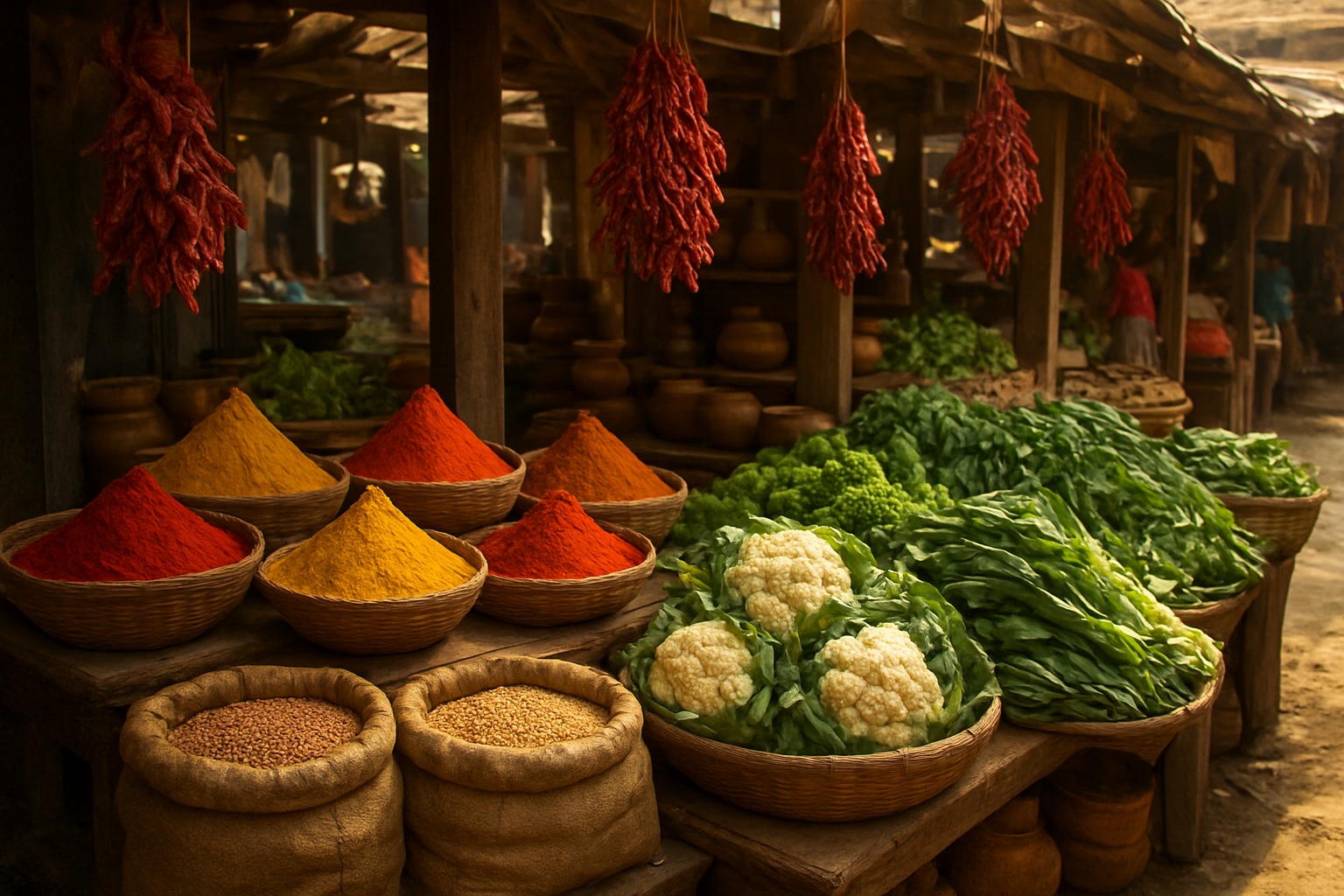
Navigate bustling bazaars to find essential spices and herbs
Walking through Kathmandu's vibrant spice markets feels like stepping into a sensory wonderland. The air buzzes with the rich aroma of cardamom, cinnamon, and turmeric, while vendors call out prices in rapid-fire Nepali. Your cooking instructor guides you through narrow alleyways lined with burlap sacks overflowing with whole spices, each vendor specializing in different aromatic treasures.
You'll discover the holy trinity of Nepali cooking: cumin, coriander, and turmeric, alongside more exotic finds like timur (Sichuan pepper) and jwano (lovage seeds). The vendors eagerly let you smell and taste their wares, explaining the difference between freshly ground versus pre-packaged spices. Fresh herbs like mint, cilantro, and fenugreek leaves sit in neat bundles, their vibrant green color a testament to their quality.
The spice shopping experience teaches you to trust your nose and eyes. Good cardamom pods should feel plump and release a sweet fragrance when pressed. Quality cinnamon bark appears thick and russet-colored, not thin and papery. Your instructor shows you how to spot the telltale signs of freshness that separate tourist-grade spices from the real deal that local families use daily.
Learn to select the freshest vegetables and seasonal produce
Nepali markets operate on a rhythm dictated by the seasons and the mountain geography. Your cooking class instructor becomes your guide through this seasonal dance, teaching you to recognize what's at its peak. Spring brings tender mustard greens and fresh peas, while monsoon season offers an abundance of gourds and leafy vegetables that thrive in the humid conditions.
The art of selecting vegetables here goes beyond simple appearance. You learn to press gently on tomatoes to check for the right give, to examine the cut ends of green beans for freshness, and to choose potatoes with eyes that haven't yet sprouted. Local varieties often look different from what you might expect – the purple-tinged cauliflower and finger-thin eggplants that are staples in Nepali kitchens.
Seasonal eating isn't just a trendy concept here; it's a way of life born from necessity and wisdom. Your instructor explains how families preserve vegetables during abundant seasons and adapt their cooking to what's naturally available. This knowledge helps you understand why certain dishes appear on menus only at specific times of the year, and how traditional recipes evolved around the natural growing cycles of the Himalayan region.
Understand the cultural significance of traditional ingredients
Each ingredient in a Nepali kitchen carries stories that stretch back generations. Dal (lentils) represents more than just protein; it's the foundation of every meal, symbolizing sustenance and comfort. Rice isn't merely a grain but a sacred offering that appears in religious ceremonies and daily prayers. Your cooking instructor shares these cultural layers as you handle each ingredient, transforming grocery shopping into a cultural education.
Certain spices hold special meaning in different contexts. Turmeric powder mixed with rice becomes tilaka for religious ceremonies, while mustard oil serves dual purposes as both a cooking medium and a traditional massage oil. The instructor explains how families pass down knowledge about which ingredients to use during festivals, pregnancy, or illness – turning the kitchen into a pharmacy and temple combined.
Food taboos and preferences also shape ingredient selection. Some families avoid garlic and onions on religious grounds, leading to creative flavor-building techniques using asafoetida and ginger. Understanding these cultural nuances helps you appreciate why certain ingredient combinations exist and how food choices reflect deeper beliefs and traditions that have survived for centuries.
Master the art of bargaining with local vendors
Bargaining in Nepali markets isn't about aggression or confrontation – it's a social dance that builds relationships and shows respect for local customs. Your cooking instructor teaches you the subtle art of price negotiation, starting with polite conversation about the quality of produce before even mentioning money. This approach transforms transactions into friendly exchanges rather than business battles.
The key lies in understanding market dynamics. Early morning shoppers often pay premium prices for the best selection, while late afternoon buyers can negotiate better deals on remaining stock. Your instructor shows you hand signals and basic Nepali phrases that vendors appreciate, like "ramro chha" (this is good) or "kati paisaa?" (how much money?). This linguistic effort often results in better prices and extra herbs thrown in for free.
Successful bargaining requires reading the vendor's personality and adjusting your approach accordingly. Some respond well to humor and friendly banter, while others prefer straightforward negotiations. Your instructor demonstrates how to walk away politely if prices seem too high – often bringing vendors down to reasonable levels. The goal isn't to squeeze every rupee but to pay fair prices that respect both your budget and the vendor's livelihood, creating positive relationships that benefit future market visits.
Master Essential Nepali Cooking Techniques
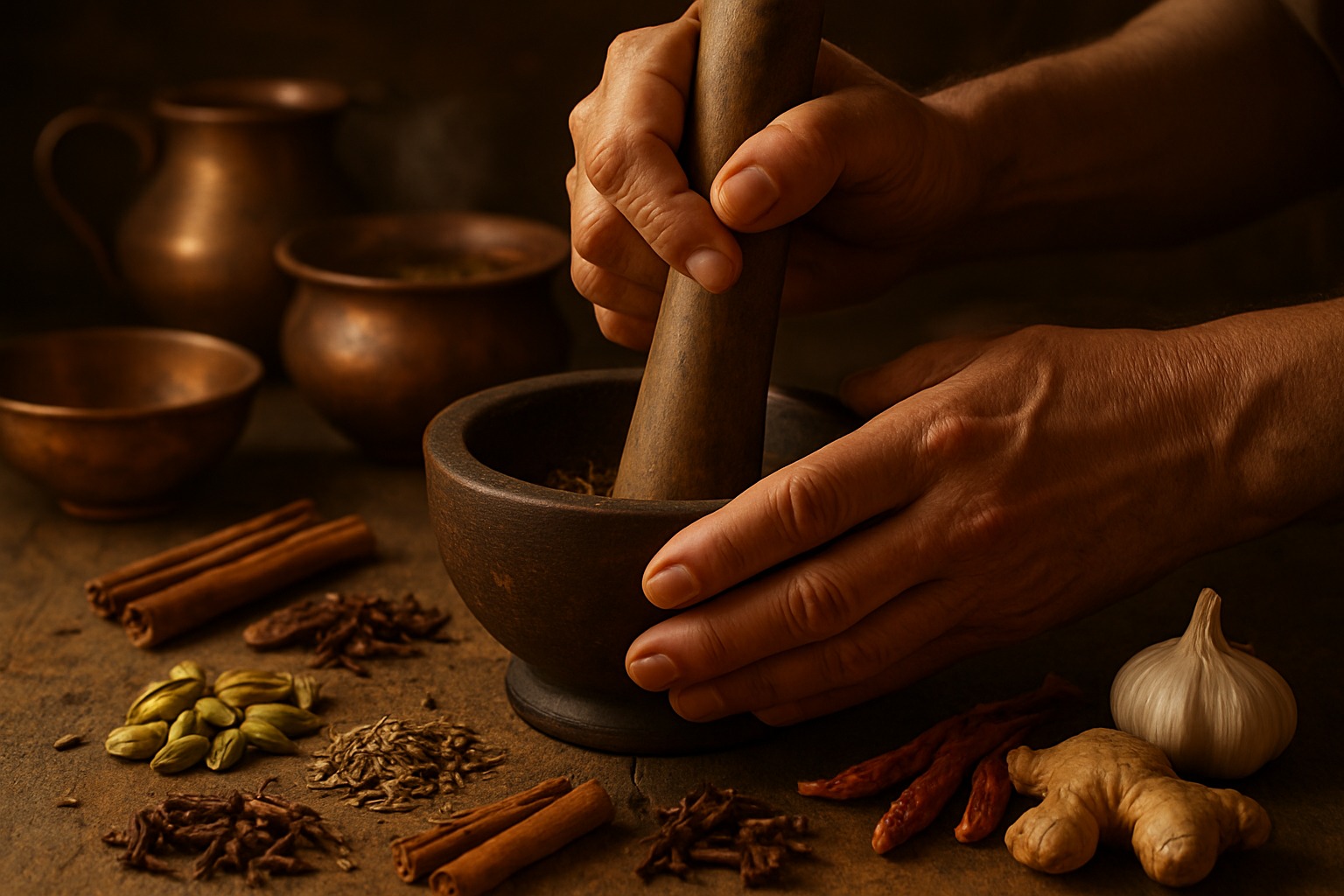
Perfect the art of hand-grinding spices for maximum flavor
The mortar and pestle aren't just tools in Nepali cooking—they're your gateway to unlocking flavors that pre-ground spices simply can't deliver. In a traditional cooking class, you'll discover that freshly grinding spices releases essential oils that have been locked inside for months or even years. The technique involves a rhythmic circular motion, applying steady pressure while gradually breaking down whole spices like cumin, coriander, and fenugreek seeds.
Your instructor will show you how different spices require different grinding approaches. Harder spices like cinnamon bark need aggressive crushing, while delicate items like cardamom pods require gentle pressure to avoid pulverizing the precious inner seeds. The key is creating consistent textures—some dishes call for coarse grinds that add textural interest, while others demand fine powders that blend seamlessly into curries.
The grinding process also serves as aromatherapy and quality control. Fresh spices release vibrant, pungent aromas that tell you exactly when they've reached optimal fineness. You'll learn to recognize when cumin transforms from bitter to nutty, or when black pepper releases its sharp, piney fragrance that signals peak flavor extraction.
Learn traditional clay pot and pressure cooking methods
Clay pot cooking represents centuries of Nepali culinary wisdom, and your cooking class will reveal why these unglazed vessels remain irreplaceable in authentic preparation. The porous nature of clay allows for even heat distribution while imparting subtle earthy flavors that metal cookware simply cannot replicate. Before first use, you'll learn the crucial seasoning process—soaking the pot overnight and gradually heating it to prevent cracking.
Different clay vessels serve specific purposes in Nepali cuisine. Wide, shallow pots excel at reducing dal to creamy perfection, while tall, narrow-necked vessels concentrate flavors in meat curries. Your instructor will demonstrate how clay naturally regulates cooking temperature, preventing the scorching that often occurs with metal pans.
Pressure cooking techniques taught in these classes go far beyond simply saving time. You'll master the art of building flavor layers even under pressure—adding aromatics at precisely the right moments and understanding how steam circulation affects ingredient placement. The whistling patterns of traditional pressure cookers become your timing guide, with experienced cooks counting whistles like musical beats to achieve perfect texture in rice, lentils, and tenderizing tough cuts of meat.
Understand proper timing and layering of ingredients
Nepali cooking operates on a precise choreography of ingredient additions, where timing can make the difference between a mediocre dish and an extraordinary one. Your cooking class instructor will teach you the fundamental principle of "tempering"—heating oil or ghee to specific temperatures before adding spices in a predetermined sequence.
Whole spices like bay leaves and cinnamon enter the hot oil first, followed by ground spices that need mere seconds to bloom before burning. Onions come next, requiring patient caramelization that builds the foundation for complex flavors. Garlic and ginger form the next layer, added only when onions reach golden perfection.
The layering extends beyond aromatics to understanding how different vegetables and proteins behave under heat. Root vegetables like potatoes and carrots need head starts, while leafy greens require last-minute additions to preserve their vibrant colors and nutrients. You'll practice reading visual and auditory cues—the gentle sizzling that indicates proper oil temperature, the color changes that signal readiness for the next ingredient, and the aromatic releases that confirm each layer has developed properly.
This systematic approach ensures that every component reaches its optimal state without compromising others, creating the harmonious complexity that defines authentic Nepali cuisine.
Nepali Dishes & authentic flavors
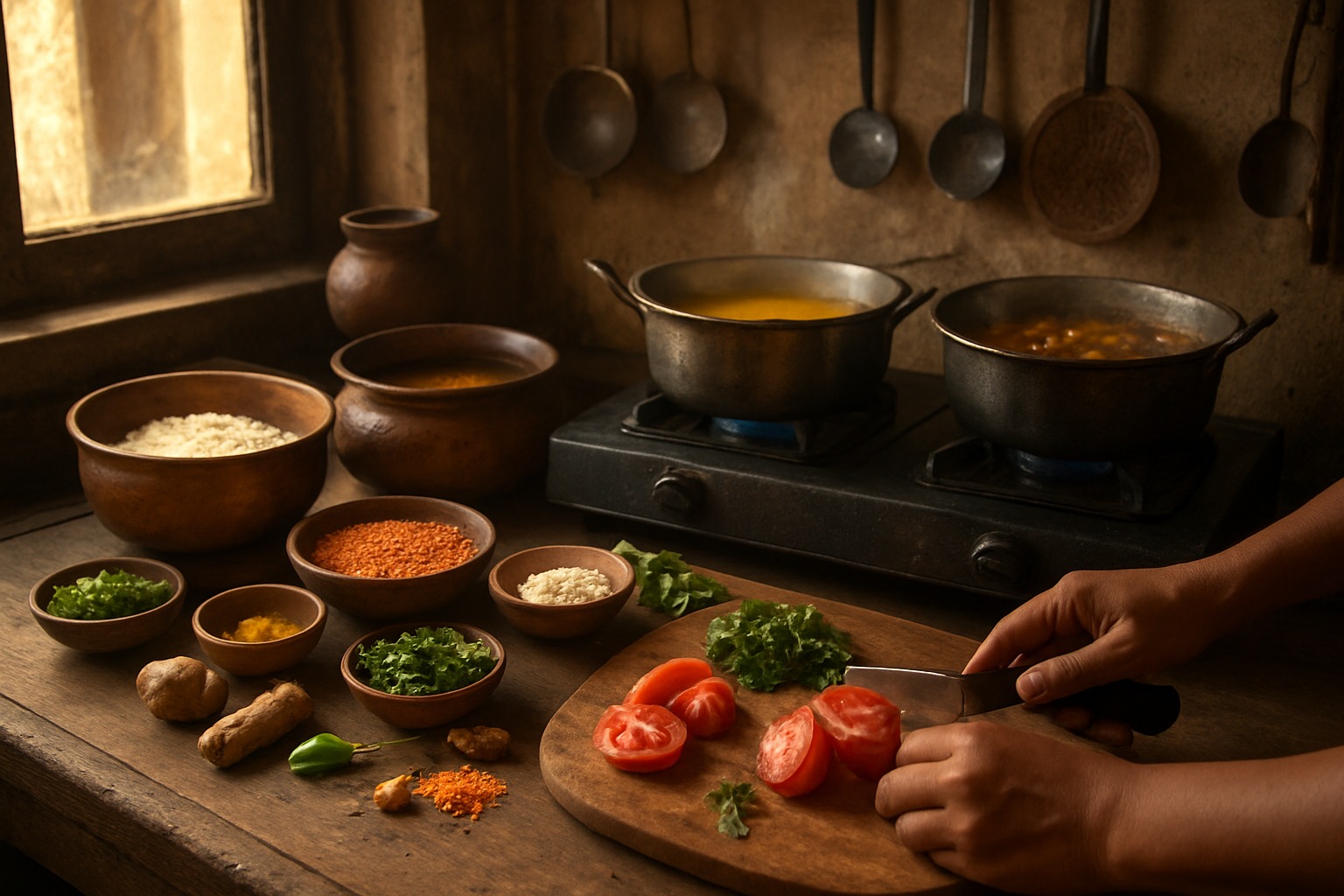
dal bhat with authentic flavors
Dal bhat sits at the heart of Nepali cuisine, and getting it right means understanding both the technical precision and cultural significance behind this beloved staple. Traditional cooking classes start with selecting the right lentil varieties - usually masoor (red lentils) or kerau (split peas) - each requiring different cooking times and techniques. You'll learn the proper washing method, using your hands to remove any stones or debris while keeping the water changes going until it runs clear.
The magic happens in the tempering process, called "tarka" or "chhounk." Hot oil or ghee gets infused with cumin seeds, mustard seeds, and dried chilies before adding fresh garlic, ginger, and onions. This aromatic base transforms simple boiled lentils into something extraordinary. Timing becomes everything - add the spices too early, and they burn, too late, and the flavors don't meld properly.
Rice preparation demands equal attention. Nepali cooking classes teach the absorption method rather than draining, ensuring each grain remains separate while achieving the perfect texture. The water-to-rice ratio varies depending on the rice variety and age, and instructors share family tricks passed down through generations.
Prepare mouthwatering momos with traditional fillings
Momos represent Nepal's most celebrated street food, and mastering them requires patience and practice. The dough preparation sets the foundation - combining all-purpose flour with just enough water to create a pliable consistency that won't tear during folding. Resting the dough for at least 30 minutes allows the gluten to relax, making it easier to roll thin circles without spring-back.
Traditional fillings extend far beyond basic meat options. Buffalo (water buffalo) remains the classic choice, mixed with finely chopped onions, garlic, ginger, and cilantro. Vegetarian versions feature combinations of cabbage, carrots, spinach, and potatoes, seasoned with cumin, coriander, and turmeric. Advanced classes introduce creative fillings like cheese and spinach or mixed vegetable combinations that capture regional preferences.
The pleating technique separates novices from experts. Nepali cooking instructors demonstrate the classic crescent fold, starting with a small amount of filling placed in the center of the rolled dough circle. The key lies in creating 12-16 uniform pleats while maintaining a tight seal to prevent filling from leaking during steaming. Different regions have their own folding styles, from simple half-moon shapes to elaborate twisted tops.
Master the delicate balance of Nepali curry spices
Nepali curry-making revolves around building layers of flavor through careful spice combinations and cooking sequences. The foundation starts with whole spices - bay leaves, cinnamon sticks, cardamom pods, and cloves - fried in oil until fragrant. This technique, called "bhutne," releases essential oils that create depth impossible to achieve with pre-ground spices.
Ground spice blends follow specific ratios that vary by region and family tradition. Turmeric provides the golden color and earthy base, while cumin and coriander add warmth and complexity. Red chili powder brings heat, but the quantity depends on the desired spice level and the particular variety used. Garam masala gets added near the end of cooking to preserve its aromatic compounds.
The cooking process itself teaches patience. Onions must be cooked until golden brown, not rushed at high heat, which creates bitter flavors. Garlic and ginger paste get added next, cooked until the raw smell disappears. Tomatoes break down slowly, creating the sauce base that coats proteins and vegetables. Each ingredient has its moment, and understanding these timing principles applies to countless Nepali curry variations.
Learn to make traditional pickles and chutneys
Pickles and chutneys serve as essential accompaniments that balance and brighten Nepali meals. Gundruk, fermented leafy green vegetables, represents one of Nepal's most distinctive preserved foods. The fermentation process requires controlled conditions - vegetables are wilted, tightly packed in containers, and left to ferment for several days until they develop the characteristic tangy flavor.
Fresh chutneys offer immediate flavor bursts without fermentation time. Tomato chutney combines roasted tomatoes with garlic, ginger, and chilies, ground together with salt and sometimes a touch of sugar. Sesame seed chutney showcases the nutty richness of til (sesame) combined with dried chilies and salt, creating a protein-rich condiment that pairs perfectly with dal bhat.
Radish pickle (moola ko achar) demonstrates preservation techniques that extend vegetable shelf life while creating complex flavors. Thinly sliced radishes get mixed with salt, turmeric, and chili powder, then stored in airtight containers. The vegetables release their juices, creating a natural brine that keeps them crisp and flavorful for weeks.
Create festive sweets and special occasion dishes
Festival cooking introduces elaborate preparations reserved for special celebrations and religious occasions. Sel roti, the traditional ring-shaped sweet bread, requires skill in batter consistency and oil temperature control. The batter combines rice flour with milk, sugar, and sometimes coconut, creating a smooth mixture that forms perfect circles when poured into hot oil through a special funnel technique.
Kheer preparation varies across different festivals and family traditions. Rice kheer starts with slow-cooking milk until it reduces by half, then adding rice and cooking until creamy. The addition of cardamom, nuts, and saffron creates aromatic complexity. Some versions use vermicelli instead of rice, while others incorporate seasonal fruits or special ingredients like rose water.
Laddu-making demonstrates the precision required for traditional sweets. Besan (gram flour) laddu requires constant stirring while roasting the flour until it releases a nutty aroma and changes color. The timing between removing from heat and adding ghee and sugar determines the final texture - too hot and the sugar caramelizes, too cool and the mixture won't bind properly. Rolling the warm mixture into perfect spheres takes practice and quick hand movements before the mixture cools and hardens.
Understand Nepali Food Culture and Dining Etiquette
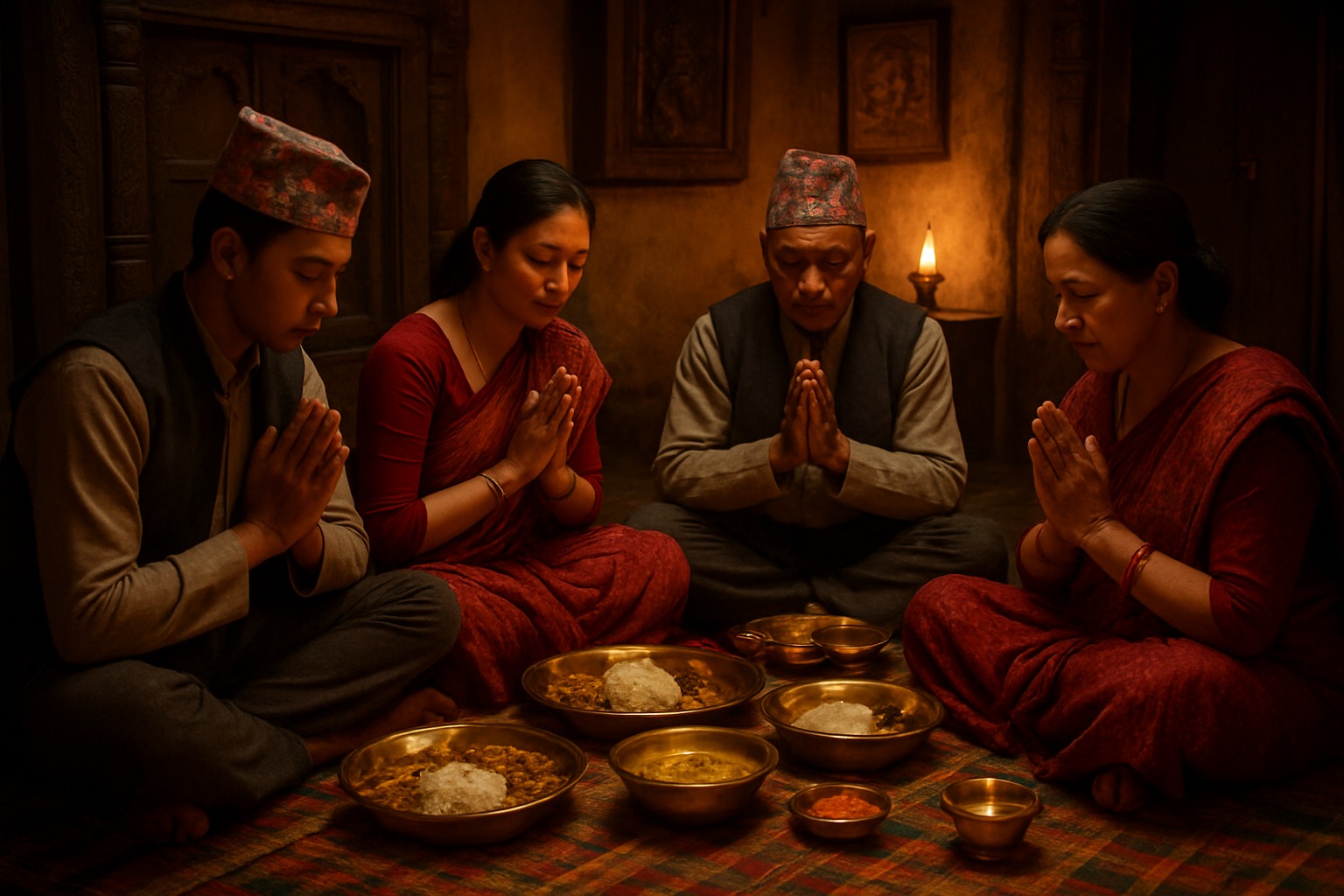
The spiritual connection between food and tradition
Nepali cuisine carries deep spiritual meaning woven into every meal. You'll learn how Hindu and Buddhist beliefs shape cooking practices, from the sacred tulsi leaves added to tea to the specific offerings prepared for religious festivals. Your instructor will explain how certain foods are considered pure or impure according to religious customs, and why some ingredients are avoided during specific religious observances.
The concept of "prasad" - food blessed by deities - becomes central to understanding Nepali cooking. You'll discover why rice is considered sacred and how it appears in almost every meal as both sustenance and spiritual symbol. The timing of meals also holds significance, with specific dishes prepared for different times of day to align with spiritual practices.
Many Nepali families begin cooking with a small prayer, asking for blessings over the food. You'll witness this reverence firsthand as your instructor demonstrates how cooking becomes an act of devotion, not just preparation.
Learn proper serving techniques and meal presentation
The art of serving Nepali food follows specific traditions that maximize both flavor and respect. You'll master the technique of serving dal bhat - the staple rice and lentil combination - where rice forms the base and various accompaniments are arranged in specific positions around the plate.
Your cooking class will teach you the proper use of traditional serving vessels like brass plates called "thali" and the significance of eating with your hands. The instructor demonstrates how to arrange pickles, vegetables, and meat curries in designated spots, ensuring flavors complement rather than compete.
- Right-hand serving rule: Always serve and eat with your right hand
- Portion hierarchy: Serve elders and guests first, children and hosts last
- Fresh additions: Add fresh rice throughout the meal rather than piling it high initially
- Accompaniment placement: Position spicy pickles away from mild vegetables
You'll practice the graceful art of mixing rice with dal using only your fingers, learning to create the perfect bite that combines multiple flavors. The instructor shares how the presentation reflects the cook's respect for guests and the food itself.
Understand the social importance of shared meals
Eating together forms the backbone of Nepali social life, and your cooking class reveals how meals strengthen community bonds. You'll experience the communal aspect of Nepali dining, where sharing food creates and reinforces relationships between family members, friends, and even strangers.
The concept of "eating from the same plate" carries special meaning - it represents trust, intimacy, and acceptance within Nepali culture. Your instructor explains how refusing food from someone's home can be seen as rejecting their friendship, while accepting it shows respect and openness to connection.
During festivals and celebrations, the entire community often cooks together, with each family contributing ingredients or labor. You'll learn about "bhoj" - community feasts where hundreds of people are fed, demonstrating how food serves as a vehicle for collective celebration and spiritual merit.
The timing of meals also reflects social priorities. Families wait for all members to return home before eating dinner together, and guests are always fed before the family begins their meal. These practices, which you'll observe and participate in during your class, show how Nepali culture prioritizes relationships and community over individual convenience.
Your instructor will share stories of how shared meals have resolved conflicts, celebrated achievements, and mourned losses throughout Nepali history, helping you understand food's role as social glue in this mountain nation.
Gain Practical Skills for Recreating Dishes at Home
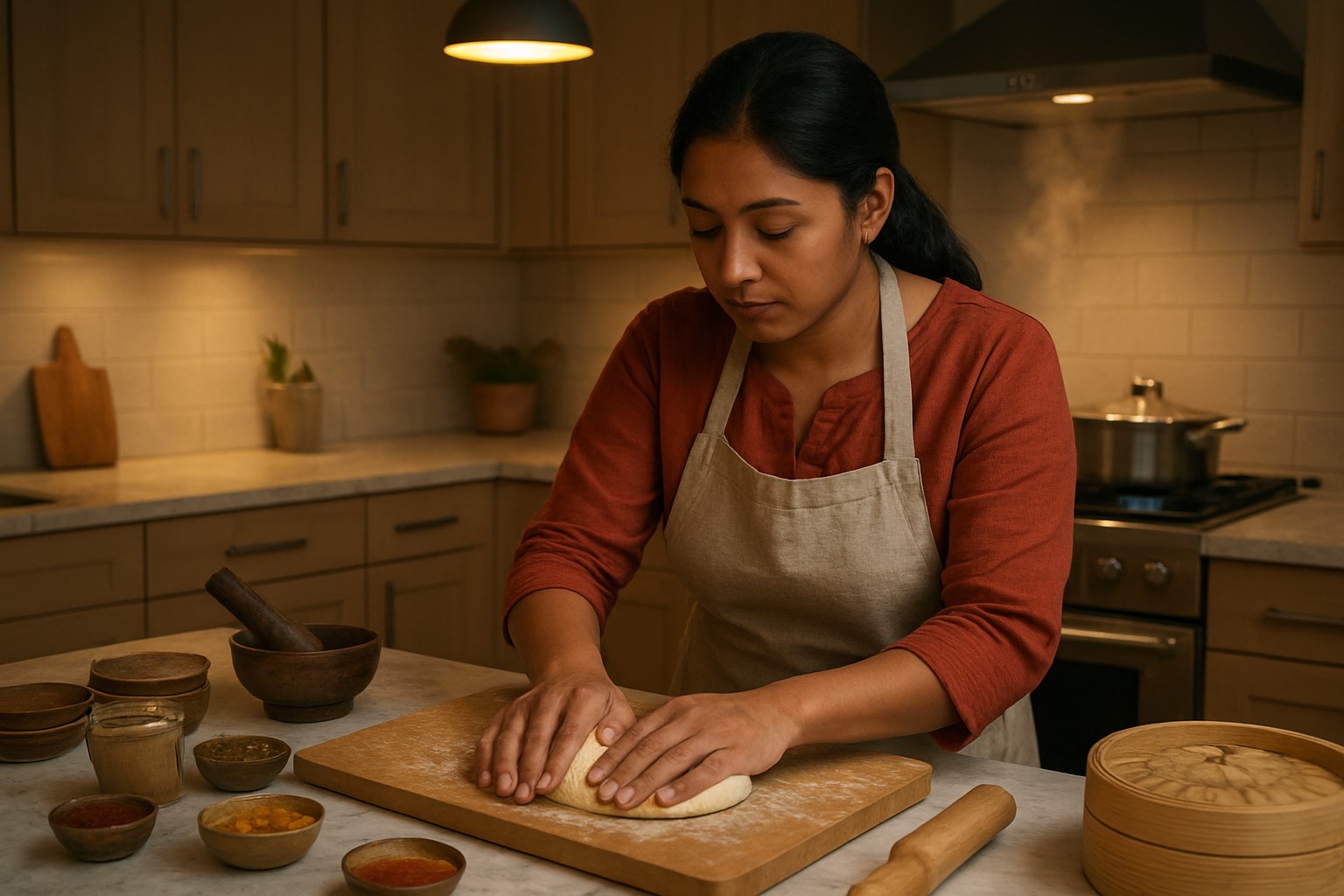
Receive Authentic Family Recipes Passed Down Through Generations
Traditional Nepali cooking classes offer something truly special - access to recipes that families have treasured for decades. These aren't the simplified versions you find online or in cookbooks written for Western kitchens. Instead, you'll learn the actual measurements, timing, and secret ingredients that make dishes taste authentic.
Your instructor often shares personal stories about how their grandmother prepared dal bhat differently during festivals versus everyday meals. You might discover that the family's momos have a unique spice blend that sets them apart from restaurant versions. These recipes come with detailed notes about seasonal variations and regional adaptations that reflect Nepal's diverse culinary landscape.
The beauty lies in learning these traditional methods alongside modern conveniences. Your instructor shows you both the traditional way of grinding spices on a stone slab and how to achieve similar results with a coffee grinder. This dual approach ensures you understand the cultural significance while gaining practical knowledge for your home kitchen.
Many students receive handwritten recipe cards at the end of class, complete with family photographs and stories that connect each dish to its cultural roots. These become treasured keepsakes that transform cooking into a meaningful cultural exchange rather than just following instructions.
Learn Ingredient Substitutions for Cooking Outside Nepal
Finding authentic Nepali ingredients outside Nepal can feel overwhelming, but experienced instructors prepare you for this reality. They share practical substitution strategies developed through years of cooking in different countries and helping international students recreate beloved flavors.
For hard-to-find spices like timur (Sichuan pepper), you'll learn about acceptable alternatives available in Asian markets or how to order authentic ingredients online. Your instructor demonstrates how Mexican poblano peppers can substitute for certain Nepali chilies, or how to create similar flavor profiles using more accessible spice combinations.
The class covers seasonal adaptations, too. When fresh fenugreek leaves aren't available, you learn techniques for using dried methi or even growing microgreens at home. For traditional vegetables like gundruk (fermented leafy greens), instructors teach simple fermentation methods using readily available greens like mustard or radish leaves.
Shopping guidance becomes invaluable here. You receive lists of reliable online suppliers, local Asian grocery stores, and even specific brand recommendations for key ingredients like basmati rice or ghee. Many instructors share their personal networks, connecting you with local Nepali communities who often share ingredients or know the best local sources.
Master Portion Control and Meal Planning Techniques
Nepali meals follow specific proportions that create balanced, satisfying eating experiences. During class, you learn the traditional ratios - typically two parts rice to one part dal, with vegetables and pickles as accompaniments. This knowledge helps you plan complete meals that feel authentic and nutritionally balanced.
Instructors demonstrate portion planning for different occasions. Family dinners require different quantities than festival preparations or when entertaining guests. You practice calculating ingredients for various group sizes, learning how to scale recipes up or down while maintaining proper flavor balance.
Meal prep strategies reflect Nepali household wisdom passed down through generations. You discover which components can be prepared days ahead, like pickles and certain spice mixes, and which elements taste best fresh. This approach makes regular Nepali cooking more manageable for busy lifestyles while preserving authentic flavors.
The planning extends beyond individual meals to weekly preparation cycles. Traditional Nepali kitchens operate on rhythms - certain days for grinding spices, others for pickling vegetables, specific times for preparing fermented items. Adapting these rhythms to modern schedules helps maintain cooking traditions without overwhelming your routine.
Taking a traditional Nepali cooking class opens up a whole new world beyond just recipes. You'll walk away with real knowledge about finding the best spices and fresh ingredients, plus hands-on skills for making momos, dal bhat, and other beloved dishes that locals have perfected over generations. The experience also teaches you about the deeper meaning behind Nepali meals - how sharing food brings families together and why certain spices are chosen for both flavor and health benefits.
The best part is that everything you learn travels home with you. You'll know exactly which ingredients to look for at your local markets, how to balance those complex spice blends, and even the proper way to serve and enjoy these dishes with others. Your kitchen will never feel the same once you start cooking authentic Nepali food, and you'll have stories and techniques that connect you to this incredible culture every time you cook.