


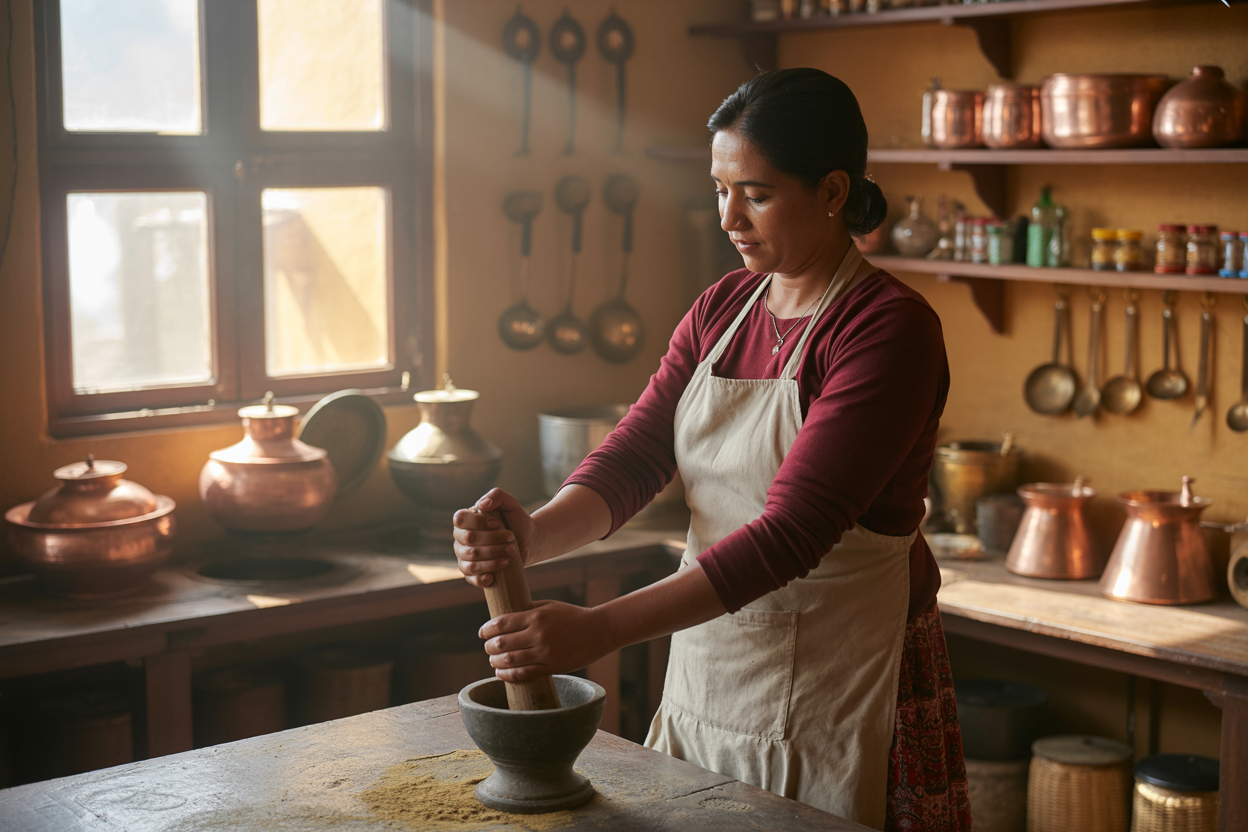
Nepali cooking instructors blend ancient culinary traditions with modern teaching methods, creating authentic food experiences that connect students to rich cultural heritage. This glimpse into their daily routine is perfect for aspiring cooking instructors, culinary students, and food enthusiasts curious about traditional Nepali cuisine instruction.
We'll explore the morning preparation rituals that set successful instructors up for engaging classes and examine the essential cooking techniques they use to teach authentic Nepali flavors. You'll also discover how these dedicated teachers preserve cultural heritage through recipe sharing and overcome daily challenges in culinary education.
Morning Preparation Rituals That Set the Foundation for Success
Early Market Visits to Source Fresh Spices and Ingredients
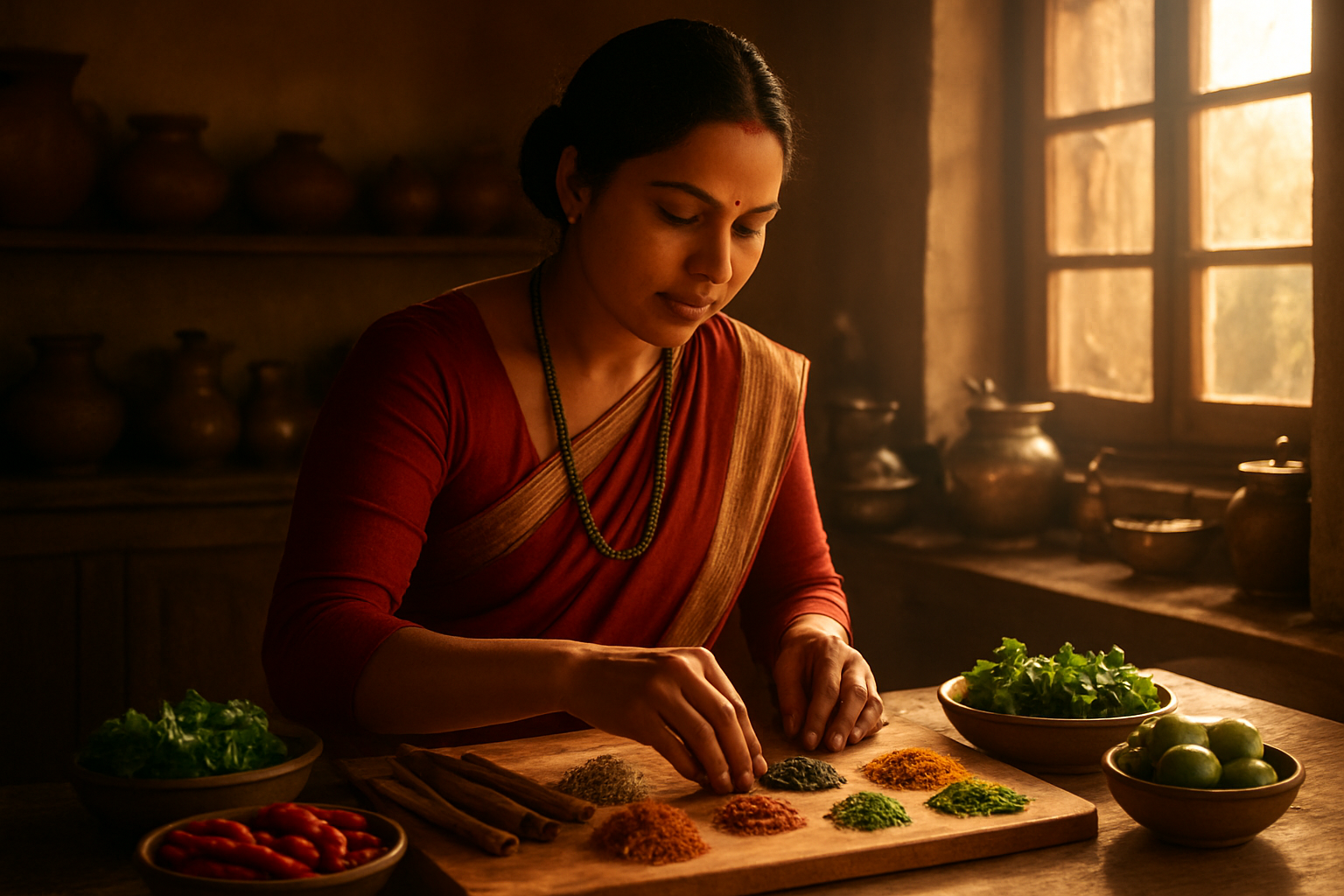
The pre-dawn hours find me walking through the bustling local bazaar, where vendors arrange their colorful displays of fresh produce and aromatic spices. This daily ritual shapes every cooking class I teach. The air carries the earthy scent of freshly ground turmeric and the sharp bite of green chilies, reminding me why ingredient quality makes all the difference in authentic Nepali cooking.
I've built relationships with specific vendors over the years. We know exactly which tomatoes will break down perfectly for my dal preparations, while Bijay dai sets aside the best cuts of water buffalo meat when I'm planning a sekuwa demonstration. These connections go beyond simple transactions – they're partnerships that honor our shared commitment to preserving culinary traditions.
Fresh curry leaves picked that morning release oils differently from week-old ones. The mustard seeds should pop with vigor when heated, and the ginger root needs to have that sharp zing when grated. Students notice these differences immediately, especially when they compare dishes made with market-fresh ingredients versus store-bought alternatives.
My market basket tells the story of each day's lessons. Extra bay leaves signal a meat curry class, while bundles of fresh coriander and mint indicate we'll be making momos. The seasonal rhythm guides these choices – tender spring bamboo shoots in March, sweet corn for traditional preparations in August, and the precious yarsagumba mushrooms when available.
Traditional Kitchen Setup and Sacred Space Preparation
Every cooking space carries energy, and creating the right atmosphere starts before any flame touches the stove. I begin by lighting a small oil lamp near the kitchen entrance – a practice my grandmother taught me that honors the sacred nature of food preparation. This isn't just tradition; it centers my mind and signals the transition from ordinary morning activities to the focused work of teaching culinary arts.
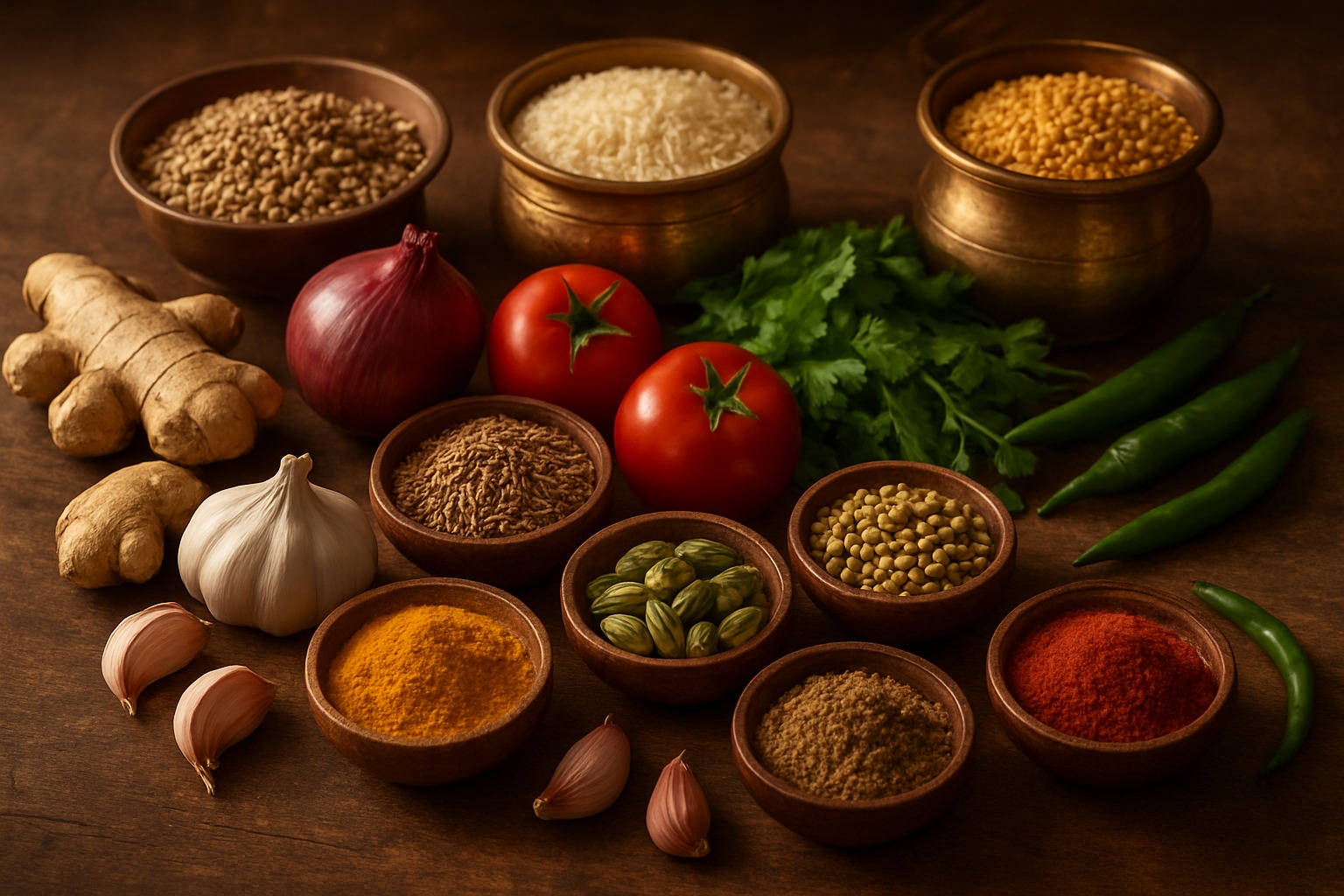
The kitchen arrangement follows principles passed down through generations. The spice containers sit in a specific order, arranged by frequency of use and complementary flavors. Whole spices occupy the back row – cardamom pods, cinnamon sticks, and dried red chilies that form the backbone of many dishes. Ground spices fill smaller containers in front, each labeled in both Nepali and English for my diverse student groups.
Water vessels receive special attention. I fill brass pots with fresh water, as traditional cooking often requires different water temperatures simultaneously. The grinding stone gets cleaned and seasoned with a pinch of turmeric, preparing it for fresh paste preparations that electric grinders simply can't match in texture and flavor development.
Prayer flags flutter above the cooking area, creating a visual reminder of the cultural context surrounding our work. Students often ask about these colorful streamers, opening conversations about how food preparation connects to spiritual practice in Nepali culture. The kitchen becomes more than a workspace – it transforms into a cultural bridge where recipes carry stories.
Menu Planning Based on Seasonal Availability
Seasonal cooking isn't just about freshness – it's about honoring the natural rhythms that have sustained Nepali communities for centuries. My menu planning starts with checking what's currently thriving in local gardens and farms. Spring brings tender fern fronds perfect for sisnu ko saag, while winter offers mustard greens that add bitter complexity to traditional preparations.
Each season brings specific teaching opportunities. Summer's abundance of fresh herbs allows deep dives into pickle-making techniques, where students learn to balance sweet, sour, and spicy elements. Monsoon season means working with root vegetables and preserved ingredients, teaching storage methods that kept families fed through harsh mountain winters.
The calendar in my planning notebook shows traditional festival dates alongside ingredient peak seasons. Dashain approaches mean goat curry demonstrations, while Tihar calls for sel roti classes that require perfect rice flour consistency. These connections help students understand that Nepali cooking isn't just about following recipes – it's about participating in cultural rhythms that span generations.
Student dietary restrictions and cultural backgrounds influence my seasonal planning, too. When teaching vegetarian groups during Hindu fasting periods, I focus on creative uses of permitted ingredients like buckwheat and root vegetables. International students get excited learning about ingredients they've never encountered, like gundruk or kinema, expanding their palate while respecting traditional preparation methods.
Mental and Physical Preparation for Teaching
Teaching cooking demands different energy than simply preparing food for the family. My personal preparation routine begins with gentle stretching, knowing that hours of standing, stirring, and demonstrating proper knife techniques require physical stamina. The repetitive motions of chopping and grinding can strain muscles, so I pay attention to my body's needs before classes begin.
Mental preparation involves reviewing not just recipes, but the stories behind each dish. Students connect more deeply when they understand that their dal recipe fed mountain porters on trade routes, or that their momo filling technique originated in Tibetan communities. I spend quiet moments recalling my own learning experiences – the patient guidance of aunties who corrected my spice proportions without judgment.
Breathing exercises help center my focus before groups arrive. Teaching cooking means managing multiple conversations, monitoring several stoves simultaneously, and maintaining food safety standards while keeping the atmosphere relaxed and encouraging. The meditation practice grounds me in the present moment, essential when guiding students through techniques that require full attention.
I also prepare emotionally for the diverse personalities in each class. Some students arrive confident and eager to experiment, while others feel intimidated by unfamiliar ingredients and techniques. Creating space for both learning styles requires patience and adaptability. My morning preparation includes setting intentions to meet each student where they are in their culinary journey, honoring their curiosity while gently correcting mistakes that could compromise flavor or safety.
Essential Cooking Techniques That Define Authentic Nepali Cuisine
Mastering the Art of Spice Grinding and Blending
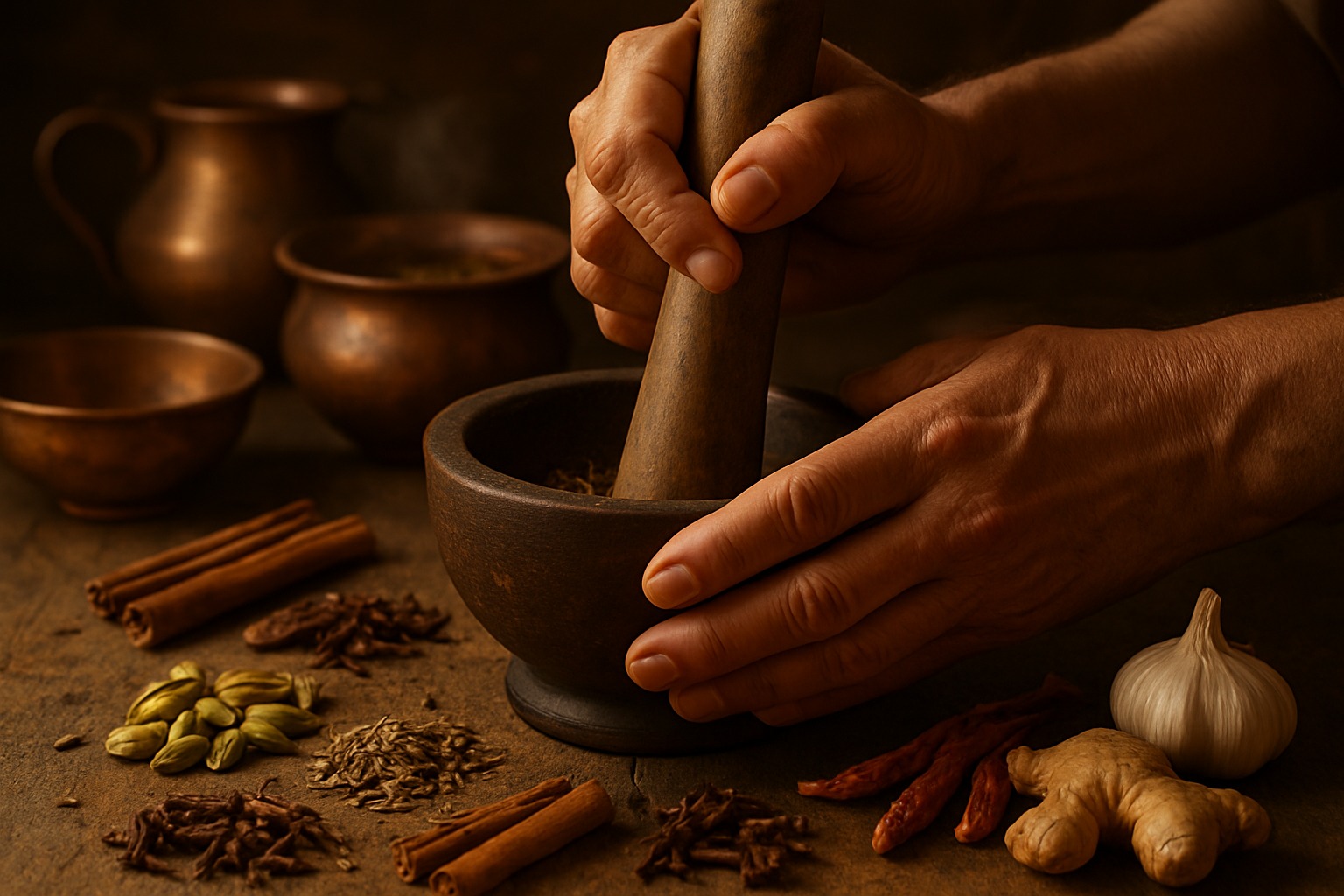
Fresh grinding makes all the difference in Nepali cooking. Every morning, I prepare my mise en place by grinding whole spices using a traditional stone grinder called a "silauto." The circular motion against the rough stone surface releases essential oils that pre-ground spices simply can't match. Students often ask why their dishes lack that authentic flavor depth, and nine times out of ten, it's because they're using store-bought powder that's been sitting on shelves for months.
The secret lies in understanding which spices to grind together and which to keep separate. Coriander and cumin form the backbone of most Nepali masalas, but grinding them with dry red chilies creates a completely different flavor profile than adding the chilies separately. I teach my students to toast whole spices first – just until they release their aroma – then grind them in small batches. This preserves the volatile oils that give authentic Nepali food its distinctive character.
Different dishes require different grinding textures. For gundruk ko jhol (fermented leafy greens soup), we need a coarse grind that adds texture, while for smooth curries, a fine powder works better. I always keep multiple spice blends ready: one for meat dishes, another for vegetables, and a special blend for dal that includes a touch of asafoetida and turmeric.
Perfect Dal Preparation Methods and Timing
Dal preparation is pure science mixed with intuition. Each variety – masoor, moong, chana, or kalo – has its own personality and cooking requirements. I start by washing the lentils until the water runs clear, then soaking them for exactly the right amount of time. Moong dal needs just 15 minutes, while chana dal requires a full hour to soften properly.
The tempering process, or "chhounk," is where magic happens. I heat ghee or mustard oil until it shimmers, then add cumin seeds and listen for that perfect sizzle. The order matters: cumin first, then ginger-garlic paste, followed by onions cooked until golden. Many students rush this step, but proper browning develops the base flavors that make restaurant-quality dal at home.
Timing the water addition is crucial. Too much creates soup; too little makes paste. I use a 1:3 ratio for most dals, adjusting based on desired consistency. The pressure cooker gets three whistles for softer dal, two for firmer texture. Salt goes in after cooking – adding it earlier toughens the lentils and extends cooking time significantly.
Traditional Vegetable Cooking Without Losing Nutrients
Traditional Nepali vegetable cooking focuses on preserving natural flavors and nutrients through minimal processing. I teach students to cut vegetables just before cooking to prevent nutrient loss through oxidation. The "bhuteko" style of cooking – quick sautéing with minimal water – keeps vegetables crisp while developing complex flavors through proper browning.
Steam-frying is my go-to technique for most green vegetables. Start with oil and spices, add vegetables, then cover immediately to create steam. This method cooks vegetables in their own moisture while preventing the water-soluble vitamins from leaching out. Leafy greens like spinach and mustard leaves need just 2-3 minutes, while root vegetables require longer but still benefit from this technique.
The traditional clay pot cooking method retains nutrients better than metal cookware. Clay's porous nature allows for even heat distribution and adds subtle earthy flavors to vegetables. When clay pots aren't available, heavy-bottomed pans work well, but the key is maintaining consistent, moderate heat that cooks vegetables through without destroying their cellular structure and nutritional value.
Cultural Heritage Preservation Through Recipe Sharing
Passing Down Family Recipes and Their Origins
Every morning, I hold stories that stretch back generations. When students gather around my kitchen counter, they're not just learning to make dal bhat or momos—they're connecting with centuries of tradition. My grandmother's kheer recipe, written on a piece of yellowed paper in fading Devanagari script, contains secrets that can't be found in any cookbook. The way she measured cardamom pods "until the kitchen smells like heaven," or how she knew the milk was ready when it "sang softly in the pot."
These family recipes carry DNA that goes beyond ingredients. Each dish tells a migration story—how my great-grandfather brought his love for spicy achaar from the Terai region when he moved to Kathmandu, or why my mother's thukpa tastes different from restaurant versions because it reflects her Sherpa heritage mixed with valley influences.
I spend considerable time explaining these origins to my students. When we make gundruk soup, I share how this fermented leafy green saved my ancestors during harsh winters in the mountains. The technique isn't just about fermentation—it's about survival, resourcefulness, and making the most of what nature provides. Students often gasp when they learn that many "traditional" recipes were born from necessity, not choice.
The emotional weight of this responsibility sometimes overwhelms me. I'm not just teaching cooking; I'm serving as a cultural bridge, ensuring these stories don't disappear with changing times.
Explaining Regional Variations Across Nepal
Nepal's geography creates a fascinating tapestry of flavors that many people don't expect from such a small country. Teaching these regional differences has become one of my favorite parts of the job because students are always surprised by the diversity.
The Terai region's cuisine bursts with Indian influences—think rich curries, aromatic rice preparations, and sweets that could make you weep with joy. When I demonstrate Maithili-style fish curry, the room fills with the warm scent of mustard oil and fenugreek that transports me to my aunt's kitchen in Janakpur.
Moving up to the hills, everything changes. The middle mountains gave birth to what most people recognize as "typical" Nepali food. This is where dal bhat reached perfection, where gundruk became an art form, and where the balance between nutrition and flavor was mastered through generations of trial and error.
But the real magic happens when we explore mountain cuisine. Sherpa and Tamang communities developed foods that could fuel high-altitude living. Tsampa, dried yak cheese, and butter tea might seem strange to lowland palates, but they represent brilliant adaptations to harsh environments.
| Region | Staple Grains | Protein Sources | Signature Flavors |
| Terai | Rice, wheat | Fish, goat, chicken | Mustard oil, fenugreek |
| Hills | Rice, millet | Buffalo, chicken | Timur, turmeric |
| Mountains | Barley, buckwheat | Yak, dried meat | Butter, salt |
Teaching the Significance of Food in Nepali Festivals
Festival cooking transforms my kitchen into a sacred space where food becomes prayer. During Dashain season, my classes become almost ceremonial as we prepare the elaborate feasts that honor both gods and ancestors.
Take sel roti, for instance. Students initially see it as just a ring-shaped sweet bread, but I explain how its circular shape represents the cycle of life and prosperity. The careful preparation—soaking rice for hours, grinding it to perfect smoothness, achieving that golden color—becomes a meditation. My grandmother always said that sel roti made with impatience would never taste right, and decades of teaching have proven her wisdom.
Tihar brings different lessons through different foods. When we make sweets for Gai Tihar (honoring cows), I share how each offering reflects gratitude for what these animals provide. The colorful array of sweets we prepare for Deusi-Bhailo isn't random—each color and flavor carries meaning, from wealth and health to happiness and prosperity.
Students often struggle with the patience these festival preparations require. Modern life has trained us for quick results, but festival foods demand time and reverence. The hours spent making kheer for Krishna Janmashtami or preparing elaborate vegetarian spreads for Ekadashi teach lessons that extend far beyond cooking.
Religious dietary restrictions during festivals also become powerful teaching moments. When Hindu students learn about creating elaborate vegetarian feasts during sacred periods, or when Buddhist students discover traditional foods for monastery offerings, they understand how deeply food connects to spiritual practice.
The communal aspect of festival cooking perhaps matters most. These aren't meals you prepare alone—they require family participation, neighborhood sharing, and community celebration. In my classes, students experience this collective joy firsthand, understanding that Nepali food culture prioritizes connection over convenience.
Daily Challenges and Creative Solutions in Culinary Education
Working with Limited Kitchen Equipment and Space
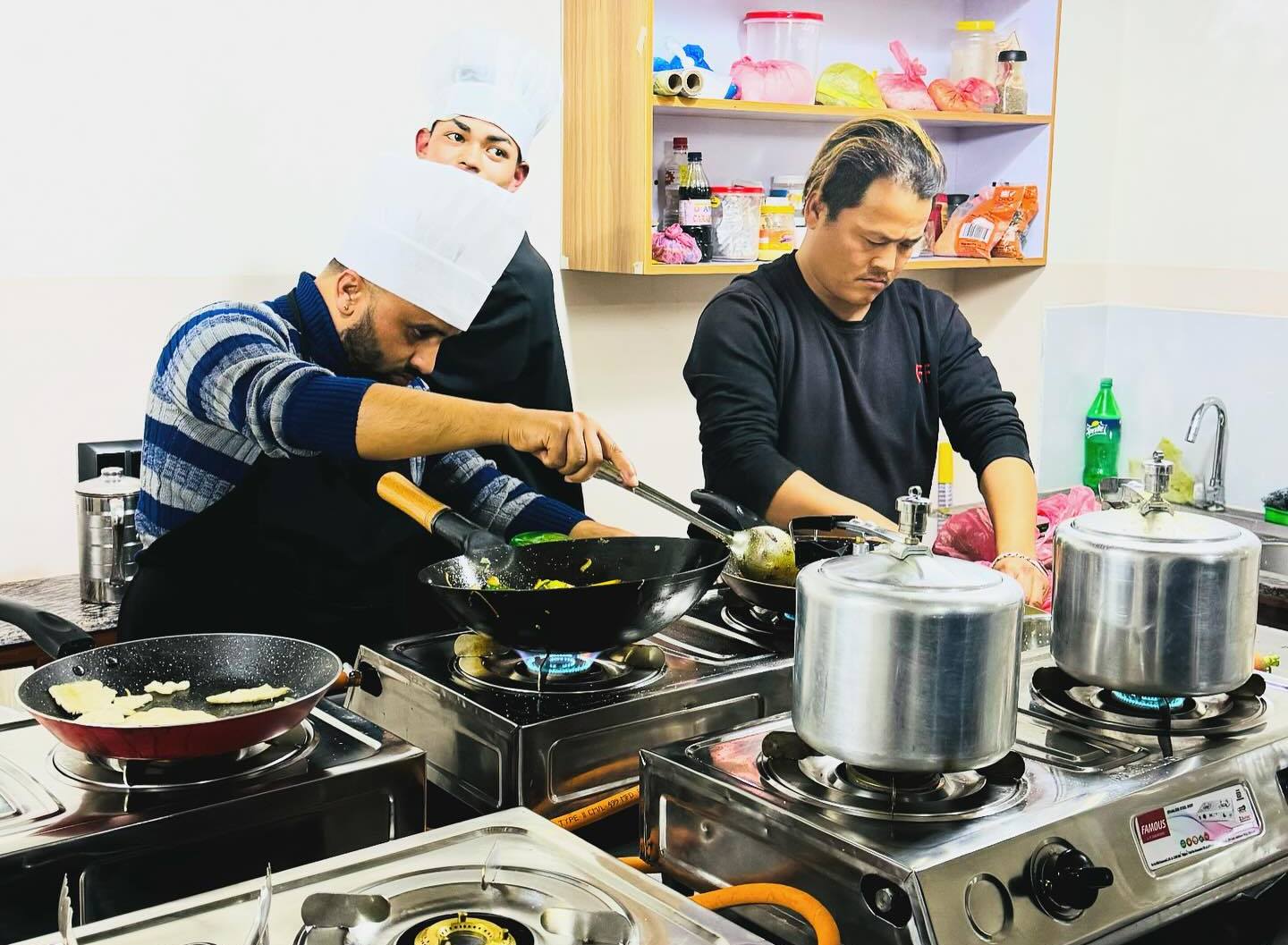
Teaching authentic Nepali cuisine often means making magic happen in cramped quarters with basic equipment. Many community centers and rented kitchens come with standard Western appliances that weren't designed for traditional Nepali cooking methods. The challenge becomes real when you need to demonstrate the proper technique for making gundruk but only have one small burner available for twelve eager students.
Space constraints force creative arrangements. Students huddle around prep stations that were meant for half the group, sharing cutting boards and bowls while trying to maintain the communal spirit that's central to Nepali cooking culture. The solution lies in strategic planning and flexible teaching methods. Breaking large groups into rotating stations works well, with some students grinding spices while others work on vegetable prep. Mobile preparation becomes key, utilizing portable cutting boards and stackable bowls that can transform any surface into a functional workspace.
Sourcing Authentic Ingredients in Non-Nepali Locations
Finding genuine ingredients outside Nepal presents ongoing headaches for instructors. Local grocery stores rarely stock items like jimbu, timur, or fresh gundruk. Students expect authentic flavors, but substitutions often compromise the dish's integrity. Building relationships with specialty Asian markets is helpful, but even these sources may offer Indian or Tibetan alternatives rather than authentic Nepali ingredients.
Smart instructors develop substitute strategies that maintain flavor profiles while using accessible ingredients. When Timur isn't available, a careful blend of Sichuan peppercorns and black pepper creates similar numbness and heat. For gundruk, properly fermented mustard greens from Korean markets work surprisingly well. Creating ingredient lists with both traditional and substitute options helps students recreate dishes at home without frustration.
Bulk buying during trips to Nepal or major cities with Nepali populations becomes essential. Sharing costs with other instructors or organizing group orders makes expensive shipping worthwhile. Some dedicated teachers even grow their own herbs like mint varieties specific to Nepali cuisine.
Balancing Traditional Methods with Modern Kitchen Tools
The tension between preserving authentic techniques and embracing modern convenience creates daily decisions. Traditional Nepali cooking relies heavily on hand-grinding spices, slow-cooking methods, and specific vessel materials that affect taste. Students arrive expecting efficiency but leave disappointed if the food tastes like generic "Asian" cuisine rather than authentic Nepali flavors.
Food processors can handle spice grinding, but the texture differs significantly from stone grinding. The oils release differently, affecting the final dish's complexity. Teaching both methods works best - demonstrating traditional techniques for understanding, then showing modern shortcuts for practical home cooking. Students appreciate learning that their grandmother's mortar and pestle actually produces superior results, even if they choose the electric grinder for weeknight dinners.
Clay pots present another challenge. Traditional Nepali dishes like dal taste distinctly different when cooked in clay versus stainless steel, but most modern kitchens lack proper clay cookware. Introducing students to these differences while providing practical alternatives helps maintain culinary integrity without creating barriers to practice.
Managing Time Constraints During Hands-On Sessions
Nepali cooking rarely follows strict schedules. Traditional methods involve patience - waiting for proper fermentation, slow-simmering broths, and hand-grinding spices. Modern cooking classes demand efficiency, cramming complex recipes into two-hour sessions. Students want complete meals, not partially prepared components to finish at home.
Breaking recipes into preparation phases helps maximize learning within time limits. Pre-soaking lentils, pre-grinding certain spices, and having backup ingredients ready prevent delays. Teaching mise en place concepts borrowed from professional kitchens helps students organize their workflow efficiently. Some techniques simply require demonstration rather than hands-on practice due to time constraints.
Creating take-home packets with pre-measured spices and detailed instruction cards extends learning beyond class time. Students can finish dishes at their own pace while reinforcing techniques learned during sessions. This approach respects both traditional cooking rhythms and modern scheduling realities, ensuring students leave with both knowledge and confidence to continue practicing independently.
Teaching Nepali cuisine goes far beyond just sharing recipes – it's about preserving a rich cultural heritage and building connections through food. From the careful morning preparations that set the tone for each class to demonstrating the intricate techniques that make dishes authentically Nepali, every day brings new opportunities to pass down traditions that have been cherished for generations. The art of balancing spices, timing dal perfectly, and creating the right texture for momos requires patience, practice, and deep cultural understanding.
The real magic happens when students discover how food connects them to Nepal's vibrant culture and history. Each cooking challenge becomes a chance to innovate while staying true to traditional methods, and every shared meal creates lasting memories. For anyone curious about Nepali cooking or considering learning from a local instructor, take that first step – you'll gain so much more than cooking skills. You'll discover stories, traditions, and flavors that will transform how you think about food and its power to bring people together.